To provide high-quality Water pump products for global customers.


Multistage Pumps in HVAC Systems: Enhancing Comfort and Efficiency
Jul 24,2026
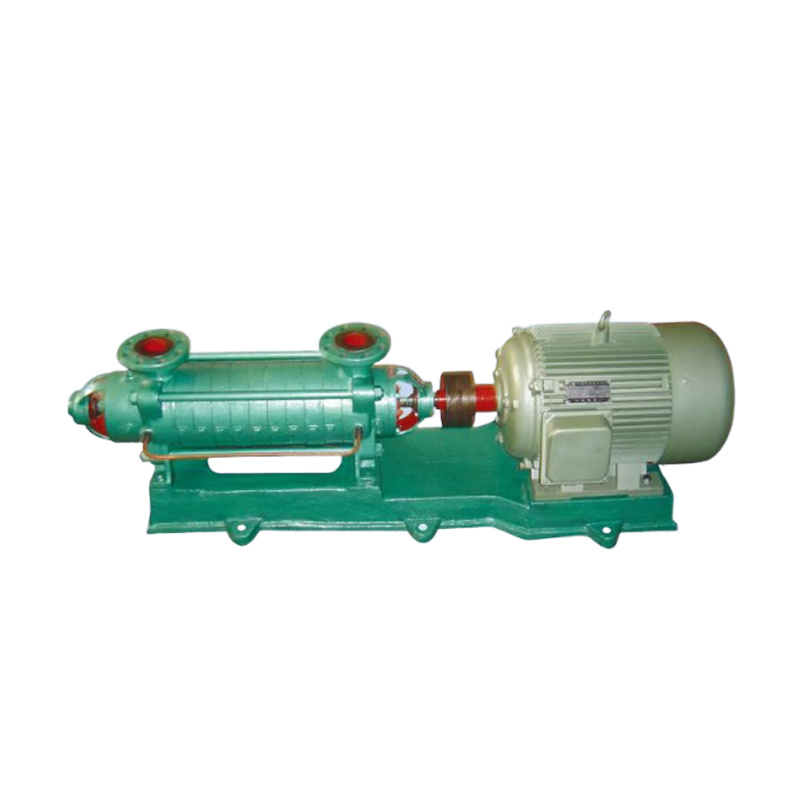
Multistage Pumps in HVAC Systems: Enhancing Comfort and Efficiency
Table of Contents
- 1. Introduction to Multistage Pumps in HVAC
- 2. Understanding Multistage Pumps
- 3. Benefits of Multistage Pumps in HVAC Systems
- 4. Installation and Maintenance of Multistage Pumps
- 5. Best Practices in Selecting Multistage Pumps
- 6. Case Studies: Successful Implementation
- 7. Frequently Asked Questions
- 8. Conclusion
1. Introduction to Multistage Pumps in HVAC
In the world of heating, ventilation, and air conditioning (HVAC) systems, **multistage pumps** play a crucial role in improving both **efficiency** and **comfort**. These specialized pumps offer numerous advantages for residential and commercial HVAC applications, ensuring optimal performance even under demanding conditions. In this article, we explore how multistage pumps work, their benefits in HVAC systems, and best practices for installation and maintenance.
2. Understanding Multistage Pumps
2.1 Working Principle of Multistage Pumps
Multistage pumps consist of multiple impellers or stages, which are arranged in series. This design allows them to achieve high-pressure outputs while maintaining a relatively low flow rate. When fluid enters the pump, it first passes through the initial impeller, which imparts kinetic energy to the fluid. As the fluid moves into the next stage, it is further pressurized, and this process continues through all stages until the desired pressure is achieved.
2.2 Types of Multistage Pumps
There are several types of multistage pumps commonly used in HVAC systems. The most prevalent include:
- **Vertical Multistage Pumps:** Designed for space-saving installations, these pumps are ideal for high-rise buildings and applications where vertical lift is required.
- **Horizontal Multistage Pumps:** These pumps offer high flow rates and are typically used in larger HVAC systems where space is less of a concern.
- **Centrifugal Multistage Pumps:** The most common type, these pumps utilize centrifugal force to move fluids efficiently, making them suitable for various HVAC applications.
3. Benefits of Multistage Pumps in HVAC Systems
3.1 Energy Efficiency
One of the primary advantages of multistage pumps is their **energy efficiency**. By providing high pressure with lower energy consumption, these pumps reduce the overall operational costs of HVAC systems. This efficiency is especially crucial in large-scale facilities where energy consumption can significantly impact operational budgets.
3.2 Improved Comfort
Multistage pumps contribute to **improved indoor comfort** by maintaining consistent pressure throughout the HVAC system. This stability ensures that all areas of a building receive adequate heating or cooling, preventing hotspots or drafts that can detract from occupant comfort.
3.3 Versatile Applications
Multistage pumps are versatile and can be used in various HVAC applications, including:
- **Chilled Water Systems:** Providing efficient cooling for commercial buildings.
- **Heating Systems:** Ensuring consistent hot water delivery across all units.
- **Pressure Boosting:** Enhancing water pressure for high-rise buildings or facilities with multiple floors.
4. Installation and Maintenance of Multistage Pumps
4.1 Installation Process
Proper installation is crucial for the optimal performance of multistage pumps. The installation process typically involves:
1. **Site Assessment:** Evaluating the installation site for space, accessibility, and compatibility with existing HVAC systems.
2. **Pump Selection:** Choosing the right type and size of the pump based on the specific requirements of the HVAC system.
3. **Mounting and Piping:** Securing the pump in place and connecting it to the existing piping system, ensuring all connections are tight and leak-free.
4. **Testing:** Conducting thorough tests to ensure the pump operates correctly and efficiently before going live.
4.2 Maintenance Tips for Longevity
To maximize the lifespan of multistage pumps and maintain their efficiency, regular maintenance is essential. Here are some key maintenance tips:
- **Regular Inspections:** Conduct routine checks for leaks, unusual noises, or vibrations that may indicate issues with the pump.
- **Clean Filters and Strainers:** Dirty filters can reduce pump efficiency. Ensure that all filters and strainers are clean and functioning properly.
- **Monitor Performance:** Keep track of pump performance metrics such as flow rate and pressure to detect any drops in efficiency early.
5. Best Practices in Selecting Multistage Pumps
Choosing the right multistage pump for an HVAC system involves several considerations:
- **Understand System Requirements:** Assess the specific needs of the HVAC system, including pressure, flow rate, and application type.
- **Consult with Experts:** Engage with HVAC professionals who can provide insights and recommendations based on experience and industry standards.
- **Evaluate Energy Efficiency Ratings:** Look for pumps with high energy efficiency ratings to ensure long-term cost savings.
6. Case Studies: Successful Implementation
Several organizations have successfully implemented multistage pumps in their HVAC systems:
- **Case Study 1: High-Rise Residential Building**
In a recent project involving a high-rise residential building, the installation of vertical multistage pumps optimized the chilled water system. As a result, residents reported significant improvements in comfort levels, while energy consumption decreased by 20%.
- **Case Study 2: Commercial Office Complex**
A commercial office complex upgraded its HVAC system by incorporating horizontal multistage pumps. The project led to enhanced efficiency and provided a reliable pressure boost across all floors, contributing to a better working environment for employees.
7. Frequently Asked Questions
What is the main advantage of multistage pumps over single-stage pumps?
The main advantage of multistage pumps is their ability to achieve higher pressures while maintaining lower flow rates, making them more suitable for applications requiring consistent pressure, such as HVAC systems.
How do I know if my HVAC system needs a multistage pump?
If you experience inconsistent pressure in your HVAC system or if your building is multi-storied and requires a boost in water pressure, it may be time to consider a multistage pump.
What maintenance is required for multistage pumps?
Regular inspections, cleaning of filters, monitoring performance metrics, and checking for leaks are crucial maintenance tasks to ensure optimal operation.
Can multistage pumps be used in both heating and cooling applications?
Yes, multistage pumps are highly versatile and can efficiently handle both heating and cooling applications in HVAC systems.
How do I select the right multistage pump size for my system?
Selecting the right size involves assessing your system's specific requirements, including required flow rates and pressure levels, often best done in consultation with an HVAC professional.
8. Conclusion
Incorporating **multistage pumps** into HVAC systems significantly enhances both comfort and efficiency. By understanding their operational principles, benefits, and best practices for installation and maintenance, building owners and facility managers can make informed decisions that lead to optimal HVAC performance. As the demand for energy efficiency and indoor comfort continues to grow, multistage pumps will undoubtedly play a vital role in shaping the future of HVAC technology.
PREVIOUS:
Contact Us
E-mail :
liu@cnpumpmade.com
WhatsApp:
+8615028256698
Address:
Nanyang Industrial Park, Shifo Town, Anguo City, Hebei Province, China


Leave Your Message