To provide high-quality Water pump products for global customers.


Customizing Your Double Suction Pump for Specific Applications: A Comprehensive Guide
Jul 16,2026
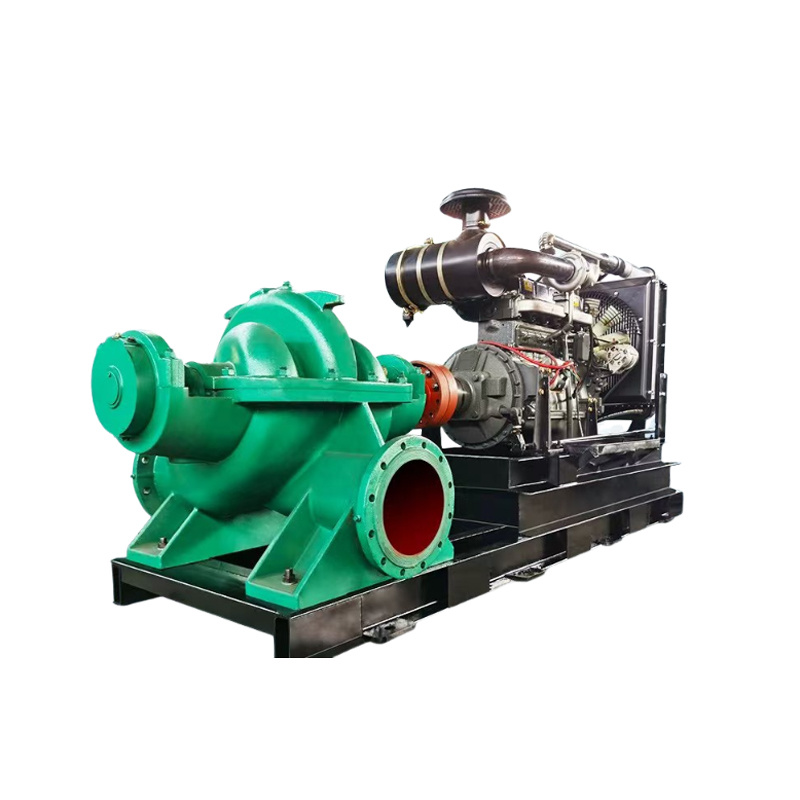
Customizing Your Double Suction Pump for Specific Applications
Double suction pumps are a vital component in a myriad of industrial applications, providing efficient fluid movement across various sectors. Their design allows for high flow rates and reduced axial thrust, making them ideal for heavy-duty operations. However, to truly maximize their potential, customizing these pumps to meet specific application requirements is essential. In this article, we will delve deep into the intricacies of customizing double suction pumps, examining the critical factors involved and providing detailed guidance on making the right adjustments for your needs.
Table of Contents
- What Is a Double Suction Pump?
- Advantages of Double Suction Pumps
- Applications of Double Suction Pumps
- Key Factors in Customizing Your Double Suction Pump
- Materials and Design Considerations
- Performance Enhancements through Customization
- Maintenance and Reliability of Customized Pumps
- Frequently Asked Questions
- Conclusion
What Is a Double Suction Pump?
A double suction pump is a type of centrifugal pump with two inlets allowing fluid to enter the impeller from both sides. This design provides several advantages over single-suction pumps, including better hydraulic balance and reduced axial thrust. Typically used for high-capacity applications, these pumps are ideal for handling large volumes of liquids, whether in water supply systems, HVAC applications, or industrial processes.
Advantages of Double Suction Pumps
Choosing a double suction pump for your application comes with distinct advantages:
- High Efficiency: The dual inlets help reduce energy consumption while maintaining high flow rates.
- Lower Axial Thrust: This design minimizes wear on components, leading to a longer lifespan and reduced maintenance costs.
- Versatility: They can handle various fluids, including liquids with solids or those with high viscosity.
- Quiet Operation: The balanced nature of the pump contributes to quieter performance, suitable for noise-sensitive environments.
Applications of Double Suction Pumps
Double suction pumps are widely used across multiple industries due to their efficiency and versatility. Common applications include:
- Water Supply and Treatment: They play a crucial role in municipal water systems and industrial water treatment facilities.
- HVAC Systems: Used for circulating water in heating and cooling systems, maintaining temperature control effectively.
- Chemical Processing: Ideal for transferring corrosive or viscous fluids in chemical manufacturing.
- Power Generation: Used in cooling systems and for supplying water to boilers and turbines.
Key Factors in Customizing Your Double Suction Pump
Customizing a double suction pump involves several key factors that should be considered to ensure optimal performance:
1. Flow Rate Requirements
Understanding the specific flow rate needed for your application is crucial. Pumps can be customized to meet varying flow demands, ensuring that the system operates efficiently without overloading the pump.
2. Fluid Characteristics
Different fluids require different pumping solutions. Customization may involve selecting materials that resist corrosion or abrasion, or designing impellers that handle specific viscosities.
3. Operating Conditions
Consideration of the operating environment—such as temperature, pressure, and potential exposure to chemicals—is vital. Custom solutions can enhance pump longevity and reliability under challenging conditions.
4. System Integration
Customization may also involve adapting the pump for seamless integration into existing systems, ensuring compatibility with other equipment and maintaining system efficiency.
Materials and Design Considerations
When customizing a double suction pump, selecting the right materials is critical. The choice of materials directly impacts durability, performance, and maintenance:
1. Impeller Material
Impellers may be made from stainless steel, bronze, or specialized alloys depending on the fluid's corrosiveness and temperature. Choosing the appropriate material helps maintain efficiency and longevity.
2. Casing and Housing
The pump casing must withstand the operational pressures and environmental conditions it will face. Custom casings may be designed for high-pressure applications or to resist specific corrosive environments.
3. Shaft and Bearings
Customizing the shaft and bearing materials can enhance load-bearing capacity and reduce wear, especially in high-demand applications where axial thrust is a concern.
4. Sealing Solutions
Sealing is vital in preventing leaks and maintaining operational efficiency. Custom seals can be selected based on fluid characteristics and operating conditions, ensuring optimal function.
Performance Enhancements through Customization
Customization can lead to significant performance enhancements in double suction pumps:
1. Increased Efficiency
By tailoring the pump's design to the specific requirements of the application, users can achieve higher efficiency levels, leading to lower energy costs and improved productivity.
2. Enhanced Reliability
Custom pumps are designed to handle the specific challenges of an application, which reduces the risk of failure and enhances reliability over time.
3. Reduced Maintenance Needs
With carefully selected materials and design adjustments, customized pumps often require less maintenance, saving time and resources for operators.
Maintenance and Reliability of Customized Pumps
Understanding the maintenance requirements of customized double suction pumps can extend their lifespan and improve operational reliability:
1. Regular Inspections
Conducting routine inspections can help identify potential issues before they escalate. Key areas to focus on include seals, bearings, and the impeller.
2. Lubrication Management
Proper lubrication of moving parts—especially bearings—is essential to minimize wear and ensure optimal performance. Customize lubrication systems if necessary.
3. Monitoring Systems
Implementing monitoring systems can provide real-time data on pump performance, allowing for proactive maintenance and quick responses to any irregularities.
Frequently Asked Questions
1. What are the main benefits of customizing a double suction pump?
Customizing a double suction pump ensures it meets specific application requirements, leading to improved efficiency, reliability, and reduced maintenance costs.
2. How do I know if my application requires a customized pump?
If your application has unique fluid characteristics, operating conditions, or integration requirements that standard pumps cannot meet, customization is advisable.
3. What materials are best for corrosive fluids?
Stainless steel, Hastelloy, and certain plastics are suitable for corrosive environments, but the specific choice depends on the fluid and operating conditions.
4. Can I modify an existing pump instead of purchasing a new one?
Yes, many existing pumps can be modified to better suit your application. Consult with a pump specialist to explore your options.
5. How often should I perform maintenance on my customized pump?
Maintenance frequency varies based on usage and operational conditions. Generally, regular inspections and lubrication should be part of a routine schedule.
Conclusion
Customizing your double suction pump is an indispensable step in ensuring optimal performance for specific applications. By considering key factors such as flow rate, fluid characteristics, and environmental conditions, you can achieve enhanced efficiency, reliability, and reduced maintenance needs. Understanding the materials and design considerations involved in customization will empower you to make informed decisions that lead to successful industrial operations. Ultimately, a well-tailored pumping solution not only improves functionality but also contributes to the overall success of your industrial processes.
Contact Us
E-mail :
liu@cnpumpmade.com
WhatsApp:
+8615028256698
Address:
Nanyang Industrial Park, Shifo Town, Anguo City, Hebei Province, China


Leave Your Message