To provide high-quality Water pump products for global customers.


Regulatory Compliance: Comprehensive Insights on Multistage Pumps
Jul 14,2026
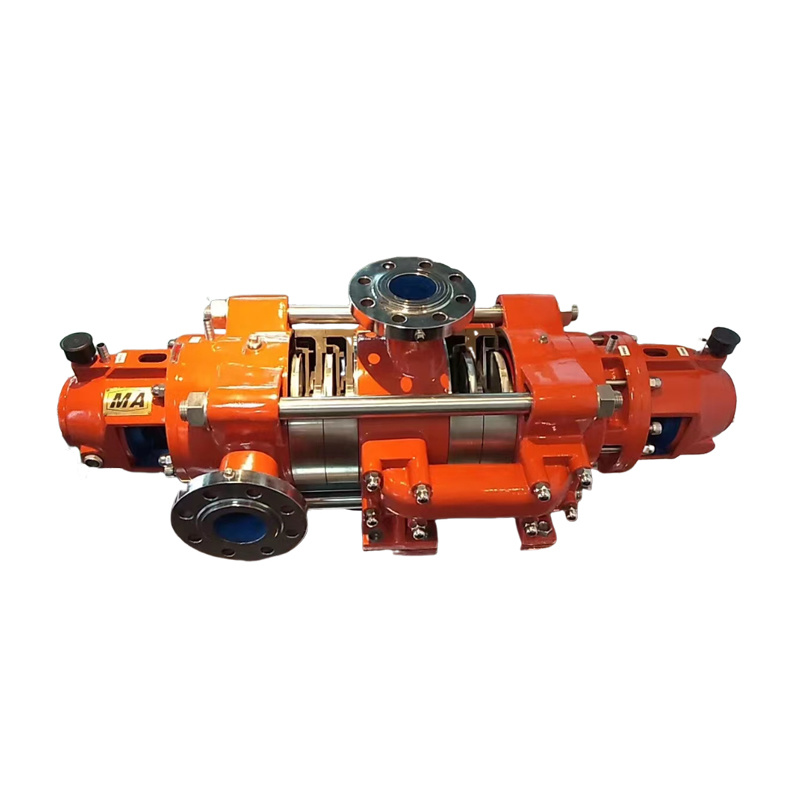
Regulatory Compliance: What You Need to Know About Multistage Pumps
Table of Contents
- 1. Introduction to Multistage Pumps
- 2. Importance of Regulatory Compliance in Pump Applications
- 3. Key Regulations and Standards Affecting Multistage Pumps
- 4. Design Considerations for Compliance
- 5. Safety Requirements for Multistage Pumps
- 6. Testing and Certification Procedures
- 7. Challenges in Achieving Compliance
- 8. The Future of Regulatory Compliance in Pump Technology
- 9. Frequently Asked Questions about Multistage Pumps
- 10. Conclusion
1. Introduction to Multistage Pumps
Multistage pumps are pivotal in various industrial applications, designed to enhance fluid movement by increasing pressure through multiple impellers. Their efficiency and versatility make them integral to sectors such as chemical processing, water treatment, and oil and gas. Understanding the **regulatory compliance** associated with these pumps is essential not only for ensuring operational efficiency but also for maintaining safety and environmental standards.
2. Importance of Regulatory Compliance in Pump Applications
Regulatory compliance is a critical aspect of using multistage pumps. It ensures that these machines operate safely and effectively while adhering to established industry standards. Compliance mitigates risks associated with equipment failure, which can lead to catastrophic consequences, including environmental damage and financial loss. Industries are increasingly held accountable for their operations, making compliance a central focus for companies operating in high-stakes environments.
3. Key Regulations and Standards Affecting Multistage Pumps
Several regulations impact the design, manufacturing, and operation of multistage pumps. Key standards to be aware of include:
3.1 ISO Standards
The **International Organization for Standardization (ISO)** provides guidelines that inform the design and manufacturing processes of pumps. ISO 9001, for example, emphasizes quality management systems that ensure consistent product quality.
3.2 ANSI/HI Standards
The **Hydraulic Institute (HI)** publishes standards specific to pumps, including ANSI/HI 1.1–1.5, which address pump performance, testing, and safety requirements.
3.3 API Standards
The **American Petroleum Institute (API)** sets forth standards particularly relevant to pumps used in the oil and gas sector, including API 610, which focuses on centrifugal pumps.
3.4 ASME Codes
The **American Society of Mechanical Engineers (ASME)** provides codes that govern the design and fabrication of pressure vessels, which can also apply to certain pump systems.
4. Design Considerations for Compliance
Designing multistage pumps for regulatory compliance involves multiple considerations:
4.1 Material Selection
Selecting appropriate materials that adhere to safety and environmental regulations is crucial. For instance, materials must resist corrosion and withstand high pressures to comply with industry standards.
4.2 Safety Features
Incorporating safety features such as pressure relief valves, emergency shut-off switches, and fail-safe mechanisms can significantly enhance compliance.
4.3 Energy Efficiency
Many regulations promote energy efficiency to minimize environmental impact. Designing pumps that operate on minimal energy not only meets compliance requirements but also reduces operational costs.
5. Safety Requirements for Multistage Pumps
Safety is paramount in any industrial environment, and multistage pumps are no exception. Compliance with safety requirements involves:
5.1 Risk Assessment
Conducting thorough risk assessments to identify potential hazards associated with pump operation, such as leaks or mechanical failures.
5.2 Operator Training
Providing adequate training for operators to ensure they understand the safe operation and maintenance of multistage pumps.
5.3 Emergency Protocols
Establishing clear emergency protocols that outline steps to take in various scenarios, including pump failure or hazardous material leaks.
6. Testing and Certification Procedures
Testing and certification are vital to validate that multistage pumps meet regulatory standards:
6.1 Performance Testing
Pumps must undergo rigorous performance testing to ensure they operate within the specified parameters set by industry standards, including flow rates and pressure levels.
6.2 Certification by Third Parties
Obtaining certification from recognized third-party organizations can enhance credibility and demonstrate compliance with relevant regulations.
6.3 Documentation and Record Keeping
Maintaining comprehensive records of tests, certifications, and compliance efforts is essential for regulatory audits and inspections.
7. Challenges in Achieving Compliance
While striving for compliance, companies often encounter various challenges:
7.1 Keeping Up with Changing Regulations
Regulations frequently evolve, and staying informed about changes can be resource-intensive but is necessary for ongoing compliance.
7.2 Cost of Compliance
The investment required to ensure compliance—through training, materials, and testing—can be significant, particularly for smaller businesses.
7.3 Complexity of Multistage Systems
The intricate nature of multistage pump systems can complicate compliance efforts, as various components must work together effectively and adhere to regulations.
8. The Future of Regulatory Compliance in Pump Technology
As technology advances, the landscape of regulatory compliance continues to evolve. The future may bring:
8.1 Enhanced Automation
Increased use of automation technologies can streamline compliance processes, making it easier to monitor and maintain regulatory standards.
8.2 Greater Focus on Sustainability
Future regulations are likely to prioritize sustainability, emphasizing energy-efficient designs and environmentally friendly materials.
8.3 Digital Compliance Monitoring
The integration of digital solutions for monitoring compliance in real time will help companies respond swiftly to regulatory changes and maintain adherence.
9. Frequently Asked Questions about Multistage Pumps
9.1 What are multistage pumps used for?
Multistage pumps are primarily used for applications requiring high pressure and flow rates, including water treatment, chemical processing, and oil extraction.
9.2 How do I ensure my multistage pump is compliant?
Ensuring compliance involves understanding applicable regulations, selecting suitable materials, conducting performance tests, and obtaining necessary certifications.
9.3 What are the common safety features in multistage pumps?
Common safety features include pressure relief valves, emergency shut-off systems, and automatic sensors to monitor operational parameters.
9.4 How often should multistage pumps be tested for compliance?
Testing frequency depends on industry standards and operational conditions but is generally recommended annually or bi-annually.
9.5 What are the consequences of non-compliance?
Non-compliance can lead to fines, legal repercussions, increased liability, and potential damage to reputation.
10. Conclusion
In conclusion, understanding regulatory compliance for multistage pumps is essential for businesses aiming to operate safely and efficiently in the industrial sector. By staying informed about regulations, implementing best practices in design and operation, and prioritizing safety, companies can ensure that their multistage pumps meet the necessary compliance standards. As the industry continues to evolve, embracing innovative technologies and sustainable practices will be key to maintaining compliance and achieving operational excellence.
Contact Us
E-mail :
liu@cnpumpmade.com
WhatsApp:
+8615028256698
Address:
Nanyang Industrial Park, Shifo Town, Anguo City, Hebei Province, China


Leave Your Message