To provide high-quality Water pump products for global customers.


Essential Safety Protocols for Operating Mobile Pump Trucks: A Comprehensive Guide
Jul 12,2026
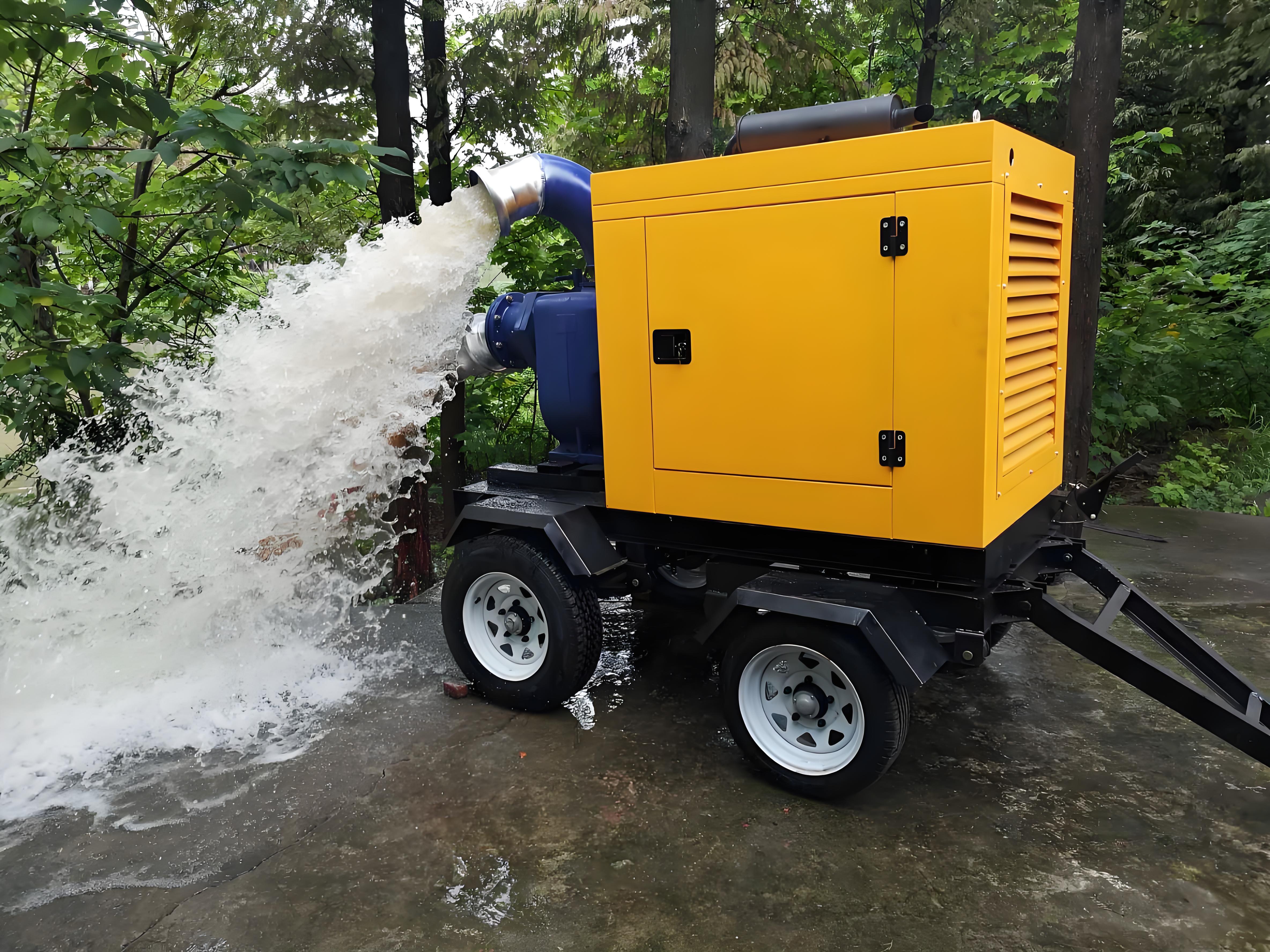
Essential Safety Protocols for Operating Mobile Pump Trucks: A Comprehensive Guide
Table of Contents
- Introduction to Mobile Pump Trucks
- Understanding Mobile Pump Trucks
- The Importance of Safety Protocols
- Pre-Operation Safety Checks
- Operational Safety Protocols
- Post-Operation Safety Protocols
- Training and Education on Mobile Pump Operation
- Common Mistakes to Avoid When Operating Mobile Pump Trucks
- Conclusion
- Frequently Asked Questions
Introduction to Mobile Pump Trucks
Mobile pump trucks are essential pieces of equipment in various industries, including construction, agriculture, and municipal services. They are designed for transporting fluids, managing wastewater, and providing essential pumping services. However, operating these machines requires strict adherence to safety protocols to prevent accidents and ensure a safe working environment.
Understanding Mobile Pump Trucks
Mobile pump trucks are versatile vehicles equipped with powerful pumps that can handle a wide range of liquids, including water, sewage, and chemicals. These trucks are built for mobility, allowing them to reach remote sites and perform essential tasks efficiently. Understanding their components, functionality, and potential hazards is crucial for operators and safety personnel.
Key Features of Mobile Pump Trucks
Mobile pump trucks come equipped with a variety of features that enhance their operational capabilities. These include:
- **High-capacity pumps** for efficient fluid transfer.
- **Flexible hoses** and fittings that allow for easy connection to various systems.
- **Robust chassis** designed for off-road capabilities.
- **Advanced control systems** for precise operation.
Types of Fluids Handled by Mobile Pump Trucks
The types of fluids managed by mobile pump trucks can vary significantly, impacting the safety protocols required. Common fluids include:
- **Water**: Used in construction and maintenance tasks.
- **Wastewater**: Handling sewage or industrial waste requires special precautions.
- **Chemicals**: Transporting hazardous materials necessitates strict adherence to safety standards.
The Importance of Safety Protocols
Implementing comprehensive safety protocols when operating mobile pump trucks is not merely a regulatory requirement; it is essential for safeguarding personnel, the environment, and the equipment itself. Awareness of potential risks and the establishment of preventive measures can significantly reduce the likelihood of accidents and injuries.
Enhancing Workplace Safety
Safety protocols help create a culture of responsibility and care within an organization. By prioritizing safety, companies can enhance employee morale, reduce downtime, and minimize financial losses due to accidents.
Compliance with Regulations
Adhering to safety protocols ensures compliance with local, state, and federal regulations governing equipment operation. This compliance not only protects the workers but also reinforces the company’s reputation in the industry.
Pre-Operation Safety Checks
Before commencing operations with mobile pump trucks, conducting thorough pre-operation safety checks is imperative. These checks ensure that the equipment is in optimal working condition and that all safety measures are in place.
Inspection Checklist
1. **Visual Inspection**: Check for leaks, damages, and wear on hoses and fittings.
2. **Fluid Levels**: Ensure that fuel, oil, and hydraulic fluid levels are adequate.
3. **Tires and Brakes**: Inspect tire pressure and ensure brakes are functioning correctly.
4. **Safety Equipment**: Confirm that safety equipment such as fire extinguishers and first aid kits are present and accessible.
Operator Readiness
Operators should undergo a brief pre-operational briefing to review specific tasks and potential hazards associated with the operation. This includes discussing emergency procedures and communication protocols.
Operational Safety Protocols
During the operation of mobile pump trucks, following established protocols can significantly mitigate risks and enhance safety.
Safe Operating Practices
- **Maintain Clear Communication**: Utilize radios or hand signals to ensure clear communication with team members.
- **Monitor Surroundings**: Always be aware of the surroundings, including pedestrians, obstacles, and potential hazards.
- **Follow Manufacturer Guidelines**: Adhere to the manufacturer’s operational guidelines and weight limits.
Emergency Procedures
Establishing and training personnel on emergency procedures is crucial. Operators should be prepared for various emergency scenarios, such as equipment failure or fluid spills. Regular drills can help reinforce these procedures.
Post-Operation Safety Protocols
Once the operations are complete, following post-operation safety protocols ensures that the mobile pump truck is safely secured and maintained.
End-of-Shift Procedures
- **Secure Equipment**: Properly store hoses and fittings, and ensure the truck is parked securely.
- **Final Inspection**: Conduct a final inspection for any damages or issues that may have arisen during operation.
- **Report Issues**: Document and report any malfunctions or safety concerns to the relevant personnel.
Maintenance Practices
Regular maintenance is vital for the longevity and safe operation of mobile pump trucks. Establish a routine maintenance schedule that includes:
- **Fluid Changes**: Regularly check and change oils and other fluids as required.
- **Component Inspections**: Schedule inspections of critical components such as pumps and hoses to identify wear and tear.
Training and Education on Mobile Pump Operation
Comprehensive training for operators is fundamental to ensuring safety when operating mobile pump trucks.
Types of Training Required
- **Initial Training**: New operators should undergo thorough training on the equipment, safety protocols, and emergency procedures.
- **Refresher Courses**: Regular refresher courses help keep safety protocols top of mind and ensure operators stay updated on best practices.
Certification and Compliance
Operators should be certified to operate mobile pump trucks, adhering to industry standards and regulations. Certification programs often include both theoretical and practical components, ensuring operators are well-prepared for their responsibilities.
Common Mistakes to Avoid When Operating Mobile Pump Trucks
Awareness of common mistakes can help prevent accidents and improve operational efficiency.
Neglecting Safety Inspections
Failing to conduct thorough pre-operation and post-operation inspections can lead to equipment failures and accidents. Always adhere to inspection protocols.
Overloading the Truck
Exceeding the weight limitations of the mobile pump truck can compromise stability and increase the risk of accidents. Always adhere to the manufacturer’s guidelines for load capacities.
Ignoring Emergency Protocols
In a crisis, panic can lead to poor decision-making. Ensure all operators are well-trained in emergency protocols and can execute them swiftly and effectively.
Conclusion
Operating mobile pump trucks involves inherent risks, but with the right safety protocols in place, these risks can be effectively managed. By adhering to pre-operation checks, following operational safety procedures, conducting regular training, and avoiding common mistakes, we can create a safer working environment. Investing in safety not only protects workers but also enhances overall operational efficiency and compliance with regulatory standards. By prioritizing safety, we set the stage for successful and responsible mobile pump truck operations.
Frequently Asked Questions
1. What are the key safety protocols for operating mobile pump trucks?
The key safety protocols include conducting thorough pre-operation inspections, adhering to operational guidelines, ensuring clear communication, and following emergency procedures.
2. How often should operators undergo training for mobile pump trucks?
Operators should undergo initial training and participate in regular refresher courses, ideally at least once a year, to stay updated on safety practices and procedures.
3. What should I do if I notice a malfunction in the mobile pump truck?
Immediately report any malfunctions to your supervisor, and do not attempt to operate the truck until it has been inspected and deemed safe for use.
4. Are there specific regulations governing mobile pump truck operations?
Yes, various local, state, and federal regulations govern the operation of mobile pump trucks, including safety standards and environmental regulations.
5. How can I improve safety protocols in my workplace?
Regular training, comprehensive safety inspections, clear communication, and fostering a culture of safety awareness among employees can significantly improve workplace safety protocols.
Contact Us
E-mail :
liu@cnpumpmade.com
WhatsApp:
+8615028256698
Address:
Nanyang Industrial Park, Shifo Town, Anguo City, Hebei Province, China


Leave Your Message