To provide high-quality Water pump products for global customers.


An In-Depth Look at Mobile Pump Truck Specifications: Essential Insights for Industrial Applications
Jun 22,2026
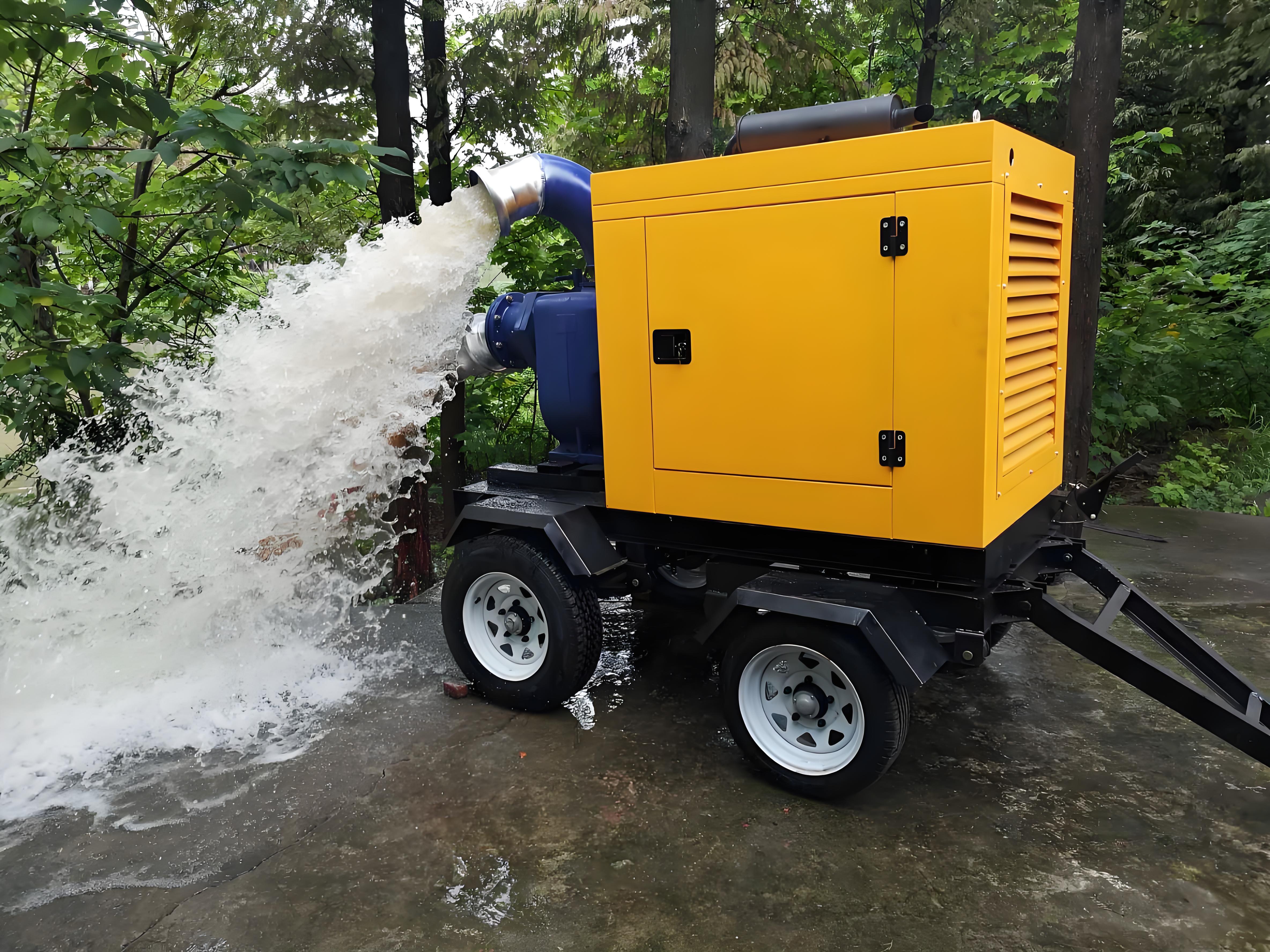
An In-Depth Look at Mobile Pump Truck Specifications
In the fast-paced world of industrial operations, mobile pump trucks play a crucial role in ensuring efficient fluid transfer and management. With a multitude of specifications and features to consider, understanding what makes a mobile pump truck effective is essential for any industrial application. In this article, we will delve into the intricate details of mobile pump trucks, exploring their specifications, applications, and what to look for when choosing the right equipment.
Table of Contents
- 1. Introduction to Mobile Pump Trucks
- 2. Importance of Mobile Pump Trucks in Industrial Applications
- 3. Key Specifications of Mobile Pump Trucks
- 4. Applications of Mobile Pump Trucks
- 5. Emerging Trends in Mobile Pump Truck Technology
- 6. Maintenance Considerations for Mobile Pump Trucks
- 7. Buying Guide: Choosing the Right Mobile Pump Truck
- 8. Conclusion
1. Introduction to Mobile Pump Trucks
Mobile pump trucks are specialized vehicles designed to transport and operate pumps. These trucks are equipped with various types of pumps, including centrifugal, diaphragm, and positive displacement pumps, to handle a range of fluids from water to viscous substances. They are essential in industries such as construction, mining, municipal services, and agriculture, where the need for fluid transfer is critical.
2. Importance of Mobile Pump Trucks in Industrial Applications
The significance of mobile pump trucks cannot be overstated. These vehicles provide:
- Flexibility: Easily transportable, allowing for quick deployment on various job sites.
- Efficiency: Designed to move large volumes of fluids rapidly, saving time and resources.
- Cost-effectiveness: Reduces the need for permanent installations, decreasing overhead costs.
- Adaptability: Capable of handling multiple applications, from sewage management to firefighting.
3. Key Specifications of Mobile Pump Trucks
When evaluating mobile pump trucks, several specifications are crucial to consider. Below, we explore these vital attributes in detail.
3.1 Pump Capacity
One of the most critical specifications is the pump capacity, typically measured in gallons per minute (GPM) or liters per second (L/s). A mobile pump truck's capacity dictates how quickly it can transfer fluids. Common capacities range from a few hundred to several thousand GPM, depending on the intended application. For instance, high-capacity pumps are essential in emergency flood response, where rapid fluid removal is necessary.
3.2 Engine Performance and Type
The engine's performance is another key specification. Mobile pump trucks may be equipped with diesel or gasoline engines, each offering distinct advantages. Diesel engines tend to provide more torque and efficiency, making them ideal for heavy-duty applications. In contrast, gasoline engines may be lighter and more suitable for smaller-scale operations. It is essential to choose an engine that aligns with the operational demands of your specific use case.
3.3 Design Features
Design features of mobile pump trucks can greatly affect their performance and usability. Key aspects to consider include:
- Chassis and Suspension: A robust chassis and suspension system enhance stability, especially on uneven terrain.
- Tank Size: The tank’s size should accommodate the volume of fluid required for your operations without frequent refills.
- Control Systems: Advanced control systems enable operators to monitor performance metrics, adjust pump speed, and manage fluid levels effectively.
3.4 Safety Protocols
Safety is paramount when operating mobile pump trucks. Specifications related to safety features include:
- Emergency Shut-off Systems: Quick access to shut-off mechanisms is essential to mitigate hazards.
- Protective Enclosures: These safeguard the components from damage and reduce the risk of accidents.
- Fire Extinguishers: Having fire safety equipment readily available is critical, especially in high-risk environments.
4. Applications of Mobile Pump Trucks
Mobile pump trucks are versatile and find applications across various industries:
- Construction: Used for dewatering excavations and managing site drainage.
- Agriculture: Essential for irrigation and transporting fertilizers or pesticides.
- Municipal Services: Employed in sewage management and emergency flood control.
- Mining: Used for managing water levels in open-pit mines and transporting slurry materials.
- Firefighting: Deployed in emergencies to supply water for fire suppression efforts.
5. Emerging Trends in Mobile Pump Truck Technology
As technology advances, so do mobile pump trucks. Some emerging trends include:
- Smart Technology: Integration of IoT devices allows for real-time monitoring and data analytics.
- Eco-Friendly Options: Development of electric and hybrid models reduces emissions and operational costs.
- Enhanced Materials: Use of lightweight, durable materials improves fuel efficiency and reduces wear and tear.
6. Maintenance Considerations for Mobile Pump Trucks
Regular maintenance is vital for ensuring the longevity and efficiency of mobile pump trucks. Key maintenance practices include:
- Regular Inspections: Frequent checks on pumps, hoses, and connections to detect wear before it leads to failures.
- Fluid Management: Proper monitoring of oil and coolant levels to prevent engine overheating and damage.
- Cleaning: Regular cleaning of filters and tanks to prevent contamination and maintain optimal performance.
7. Buying Guide: Choosing the Right Mobile Pump Truck
Selecting the appropriate mobile pump truck requires careful consideration of your specific needs. Consider the following factors:
- Application Requirements: Identify the types of fluids you will be transferring and their specific properties.
- Operational Environment: Consider the terrain and conditions where the pump truck will operate.
- Budget: Assess your budget, keeping in mind the long-term operational costs associated with maintenance and fuel.
- Manufacturer Reputation: Choose reputable manufacturers known for durability and customer support.
8. Conclusion
In conclusion, mobile pump trucks are invaluable assets in various industrial applications, providing essential services for fluid management. Understanding their specifications, applications, and emerging technologies will enable businesses to make informed decisions that enhance operational efficiency. By prioritizing the right specifications and maintenance practices, industries can optimize their usage of mobile pump trucks, ensuring they remain reliable and effective tools in fluid management.
Frequently Asked Questions (FAQs)
1. What is the average lifespan of a mobile pump truck?
The average lifespan of a mobile pump truck can range from 10 to 20 years, depending on usage, maintenance, and environmental conditions.
2. Can I customize my mobile pump truck?
Yes, many manufacturers offer customization options to tailor mobile pump trucks according to specific operational needs, including tank sizes and pump types.
3. What maintenance tasks are crucial for mobile pump trucks?
Key maintenance tasks include regular inspections, fluid management, and cleaning of filters and tanks to ensure optimal performance.
4. Are there eco-friendly mobile pump truck options available?
Yes, some manufacturers are now offering electric and hybrid models, which are designed to reduce emissions and operational costs.
5. How do I determine the right pump capacity for my needs?
Assess your specific fluid transfer requirements, including the type of fluid and volume needed per minute, to determine the appropriate pump capacity.
PREVIOUS:
Contact Us
E-mail :
liu@cnpumpmade.com
WhatsApp:
+8615028256698
Address:
Nanyang Industrial Park, Shifo Town, Anguo City, Hebei Province, China


Leave Your Message