To provide high-quality Water pump products for global customers.


The Cost-Effectiveness of Using Multistage Pumps in Industry: Maximizing Efficiency and Savings
May 16,2026
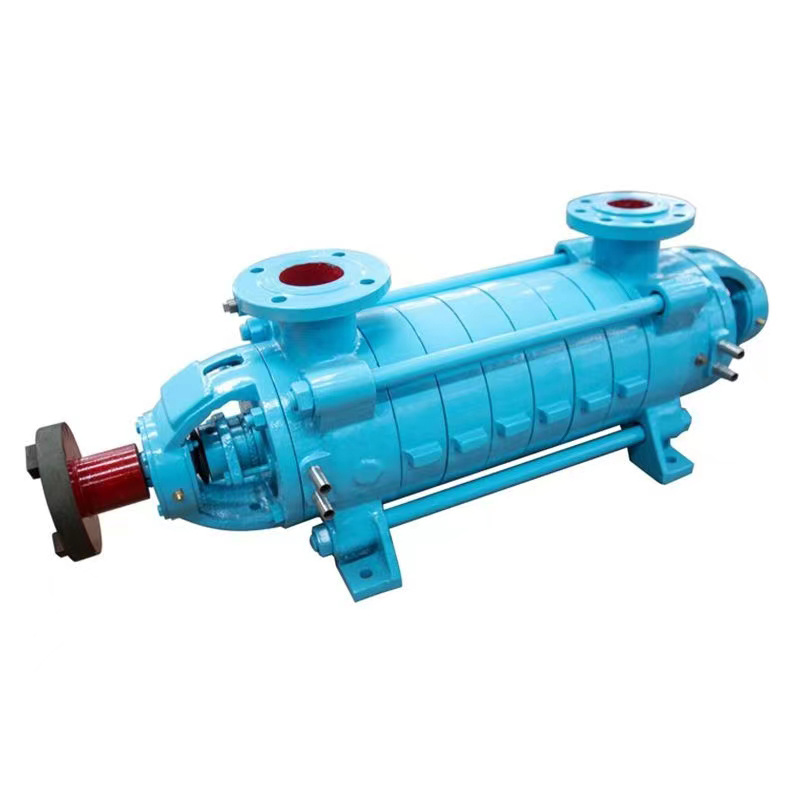
The Cost-Effectiveness of Using Multistage Pumps in Industry
Introduction to Multistage Pumps and Their Importance in the Industrial Sector
In the industrial landscape, the efficiency and productivity of processes often hinge on the reliability of pumping systems. **Multistage pumps**, designed to handle a wide range of fluid transfer tasks, have become indispensable due to their ability to deliver high pressure and volume in a single unit. Industries ranging from **chemical manufacturing** to **water treatment** are increasingly recognizing the cost-effectiveness of these hydraulic devices. By exploring the various advantages of multistage pumps, we can better understand why they stand out as a preferred choice for many applications.
Understanding Multistage Pumps: How They Work
Multistage pumps are engineered with multiple impellers, also known as stages. Each impeller contributes to increasing the pressure of the fluid, allowing for higher discharge pressures than single-stage pumps. This design not only enhances performance but also improves energy efficiency, which is critical in industrial operations where energy costs can be substantial.
The Mechanism Behind Multistage Pumps
The operation of a multistage pump involves the following key processes:
1. **Fluid Intake**: Fluid enters through the suction inlet.
2. **Impeller Action**: Each impeller rotates, accelerating the fluid and increasing its kinetic energy.
3. **Diffuser Role**: The fluid passes through a diffuser that converts kinetic energy into pressure energy.
4. **Pressure Build-Up**: As the fluid moves through each stage, its pressure builds, enabling it to reach the desired discharge point.
Benefits of Using Multistage Pumps in Industrial Applications
The adoption of multistage pumps in various industrial applications offers numerous advantages that contribute to their cost-effectiveness.
1. Enhanced Efficiency and Performance
Multistage pumps provide greater efficiency compared to their single-stage counterparts. The ability to generate higher pressure allows industries to transport fluids over longer distances with minimal energy loss, leading to lower operational costs.
2. Versatility Across Various Applications
These pumps are adaptable for various fluids, including corrosive chemicals, oils, and slurries. Their versatility makes them suitable for industries like **oil and gas**, **food and beverage**, and **pharmaceuticals**.
3. Reduced Maintenance Requirements
With fewer moving parts than traditional pumps, multistage pumps often require less maintenance. This reduction in maintenance needs translates into lower labor costs and minimized downtime, further enhancing their cost-effectiveness.
4. Improved Lifespan and Reliability
The robust design of multistage pumps ensures they can withstand harsh operating conditions. Their longevity means that industries can benefit from a reliable pumping solution without the frequent need for replacements.
Key Considerations When Choosing Multistage Pumps
Selecting the right multistage pump for your industry involves careful consideration of several factors to ensure optimal performance and cost-effectiveness.
1. Flow Rate Requirements
Understanding the desired flow rate is crucial. Different applications will demand varying flow rates, and selecting a pump that can meet these specifications is vital for maintaining efficiency.
2. Operating Conditions
The pump's operating environment, including temperature and pressure conditions, plays a significant role in determining the appropriate design. Ensuring that the pump can handle the specific conditions of your application will extend its life and maintain performance.
3. Material Compatibility
Consider the materials of construction for the pump components. For example, if you are handling corrosive fluids, selecting a pump made of compatible materials is essential to prevent premature wear and failure.
4. Energy Efficiency
Evaluate the energy consumption of potential pump models. A pump that operates efficiently will not only reduce energy costs but also lower the overall carbon footprint of your industrial operations.
Cost Analysis: Multistage Pumps vs. Single-Stage Pumps
To truly appreciate the cost-effectiveness of multistage pumps, a comparative analysis with single-stage pumps is essential.
1. Initial Investment
While multistage pumps may have a higher upfront cost compared to single-stage pumps, their superior performance and efficiency often justify the initial investment.
2. Operational Costs
Over time, the operational costs associated with energy consumption and maintenance for multistage pumps are typically lower. The enhanced efficiency allows industries to save significantly on energy bills.
3. Longevity and Replacement Costs
The durability of multistage pumps can lead to longer replacement intervals. This aspect should be factored into the overall cost analysis, as less frequent replacements contribute to substantial savings over time.
Real-World Applications of Multistage Pumps
Multistage pumps have found success across several industries. Below are a few prominent examples that illustrate their versatility and cost-effectiveness.
1. Water and Wastewater Treatment
In municipal water treatment facilities, multistage pumps are used to transport treated water efficiently. Their ability to deliver water at high pressure ensures that it can reach distant locations without significant energy loss.
2. Chemical Processing
In the chemical sector, multistage pumps handle the transfer of aggressive and viscous fluids. Their design minimizes wear and tear, ensuring a consistent flow rate and pressure that is essential for chemical reactions.
3. Oil and Gas Industry
Multistage pumps are critical in the oil and gas industry for transporting crude oil and natural gas. Their reliability in extreme conditions makes them an invaluable asset in this demanding field.
4. Food and Beverage Industry
In the food and beverage sector, hygiene is paramount. Multistage pumps made from food-grade materials ensure that products can be transferred without contamination, maintaining quality and safety standards.
Future Trends in Multistage Pump Technology
As industries continue to evolve, so too will multistage pump technology. Innovations in materials technology, automation, and energy efficiency are paving the way for even more effective pumping solutions.
1. Smart Pumping Solutions
The integration of IoT technology will lead to smart multistage pumps that can monitor performance in real-time. This capability allows for predictive maintenance, minimizing downtime and optimizing operational efficiency.
2. Sustainable Practices
With increasing emphasis on sustainability, manufacturers are focusing on creating pumps that use less energy and are made from recyclable materials. This trend aligns with global efforts to reduce environmental impact.
FAQs About Multistage Pumps
1. What industries commonly use multistage pumps?
Multistage pumps are widely used in industries such as water treatment, chemical processing, oil and gas, and food and beverage production.
2. How does a multistage pump differ from a single-stage pump?
The primary difference lies in the number of impellers; multistage pumps have multiple impellers that increase pressure, while single-stage pumps have only one, resulting in lower pressure output.
3. What are the maintenance needs of multistage pumps?
Multistage pumps typically require less maintenance than other pump types due to their simpler design and robust construction, but routine inspections and maintenance are still recommended.
4. How can I determine the right multistage pump for my application?
Consider factors such as flow rate, operating conditions, material compatibility, and energy efficiency when selecting a multistage pump.
5. Are multistage pumps more energy-efficient than single-stage pumps?
Yes, multistage pumps are generally more energy-efficient, especially for applications requiring high pressure and longer fluid transport distances.
Conclusion
In conclusion, the cost-effectiveness of using multistage pumps in various industrial applications cannot be overstated. Their enhanced efficiency, versatility, reduced maintenance needs, and long lifespan make them an ideal choice for industries seeking to optimize their operations while minimizing costs. As technology continues to advance, the future for multistage pumps looks promising, with innovations that will further enhance their performance and sustainability. Investing in multistage pumps is not just a decision for today but a strategic step towards achieving long-term operational excellence and cost savings.
Contact Us
E-mail :
liu@cnpumpmade.com
WhatsApp:
+8615028256698
Address:
Nanyang Industrial Park, Shifo Town, Anguo City, Hebei Province, China


Leave Your Message