To provide high-quality Water pump products for global customers.


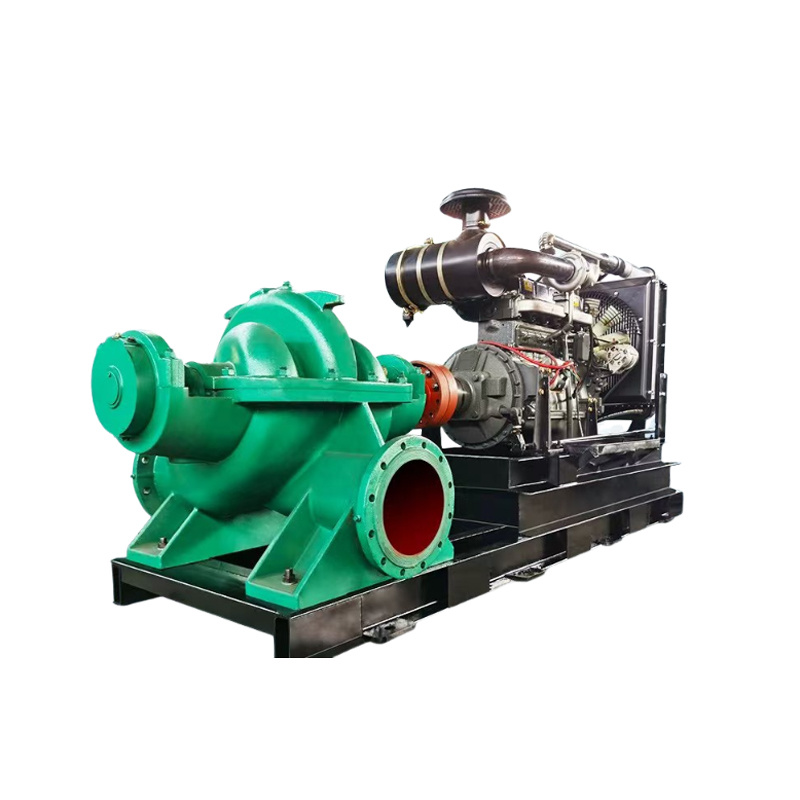
Double Suction Pumps: Versatile Solutions for Various Industries
Apr 08,2026
Double Suction Pumps: Versatile Solutions for Various Industries
Table of Contents
- What Are Double Suction Pumps?
- How Double Suction Pumps Work
- Advantages of Double Suction Pumps
- Applications of Double Suction Pumps
- Choosing the Right Double Suction Pump
- Maintenance and Care for Double Suction Pumps
- Common Issues and Troubleshooting
- Conclusion
- FAQs about Double Suction Pumps
What Are Double Suction Pumps?
Double suction pumps, often referred to as centrifugal pumps, are specialized equipment designed to handle large volumes of fluids efficiently. Unlike standard single suction pumps, which draw fluid from one side, double suction pumps have two inlets, allowing them to draw liquid from both sides of the impeller. This unique design enables them to effectively manage high flow rates while minimizing vibrations and wear on the pump components.
How Double Suction Pumps Work
The operation of a double suction pump revolves around its impeller, which is a rotating component that creates a pressure differential. When the pump is activated, the impeller draws fluid in from both sides and accelerates it outward, converting mechanical energy into kinetic energy. The centrifugal force generated during this process pushes the fluid into a discharge pipe, allowing for efficient transport. The dual inlet design not only enhances the pump's flow capacity but also contributes to improved stability and reduced noise levels.
Key Components of Double Suction Pumps
- Impeller: The heart of the pump responsible for moving the fluid.
- Casing: The outer shell that houses the impeller and guides the fluid to the discharge.
- Suction and Discharge Flanges: Connect the pump to the fluid system, ensuring leak-proof operation.
- Bearings: Support the rotating shaft and maintain proper alignment.
Advantages of Double Suction Pumps
Double suction pumps offer a multitude of benefits that make them an ideal choice for various industrial applications. Some of the key advantages include:
1. High Flow Capacity
The design of double suction pumps allows for significantly higher flow rates compared to single suction pumps. This makes them suitable for applications requiring the movement of large volumes of liquids.
2. Enhanced Efficiency
With their dual inlet design, these pumps operate more efficiently, reducing energy consumption and operational costs. The reduced hydraulic losses contribute to better overall performance.
3. Reduced Vibration and Noise
By balancing the hydraulic forces acting on the impeller, double suction pumps produce lower vibration levels, leading to quieter operation and extended equipment life.
4. Versatility
These pumps can handle a wide range of liquids, including clean water, wastewater, and various chemicals, making them suitable for numerous industries.
5. Lower Maintenance Costs
The robust design of double suction pumps results in less wear and tear, ultimately reducing the frequency and cost of maintenance interventions.
Applications of Double Suction Pumps
Double suction pumps find use in a variety of industries due to their adaptability and efficiency. Some common applications include:
1. Water Supply and Irrigation
These pumps are widely used for municipal water supply systems and agricultural irrigation, where high flow rates and reliable performance are essential.
2. HVAC Systems
In heating, ventilation, and air conditioning (HVAC) systems, double suction pumps help circulate water or other fluids, ensuring optimal temperature regulation.
3. Chemical Processing
Industries dealing with chemicals often utilize double suction pumps for safe and efficient transfer of various liquid substances, from acids to oils.
4. Power Generation
In power plants, these pumps are essential for cooling systems and auxiliary water services, where continuous operation is critical.
5. Wastewater Treatment
Double suction pumps play a vital role in wastewater treatment facilities, where they help in the removal and processing of sewage and other waste materials.
Choosing the Right Double Suction Pump
Selecting the appropriate double suction pump requires careful consideration of several factors to ensure optimal performance and longevity. Here are key aspects to evaluate:
1. Flow Rate Requirements
Determine the desired flow rate for your application, as pumps are available in various sizes and capacities. Understanding your specific needs will guide you toward the right model.
2. Fluid Characteristics
Consider the properties of the fluid being pumped, such as viscosity, temperature, and chemical compatibility. Selecting a pump designed to handle your specific fluid type is crucial to prevent damage and ensure efficiency.
3. Suction Conditions
Evaluate the suction conditions of your system, including the available net positive suction head (NPSH). This information is vital to avoid cavitation and ensure smooth operation.
4. Installation Space
Assess the physical space available for the pump installation. Some double suction pumps may require more space due to their size and design.
5. Maintenance Needs
Choose a pump that aligns with your maintenance capabilities and schedule. Some models offer easier access to components for routine checks and repairs.
Maintenance and Care for Double Suction Pumps
Proper maintenance is essential to ensure the longevity and efficiency of double suction pumps. Regular inspections and servicing can prevent issues and enhance performance. Here are some best practices:
1. Regular Inspections
Conduct routine checks on the pump's performance, including flow rates, vibrations, and noise levels. Early detection of problems can save time and resources.
2. Lubrication
Ensure that bearings and other moving parts are adequately lubricated to reduce friction and wear. Follow the manufacturer's recommendations for lubrication intervals and types.
3. Seal Checks
Inspect seals and gaskets for leaks or wear. Replacing worn seals promptly can prevent fluid loss and protect the pump's internal components.
4. Monitor Operating Conditions
Keep an eye on operating temperatures, pressures, and flow conditions. Deviations from normal ranges may indicate underlying issues that need to be addressed.
5. Professional Servicing
Engage skilled technicians for complex repairs or when troubleshooting persistent issues. Their expertise can help maintain optimal pump performance.
Common Issues and Troubleshooting
Even with regular maintenance, double suction pumps may encounter issues over time. Understanding common problems and their solutions can boost your pump’s reliability.
1. Cavitation
Cavitation occurs when vapor bubbles form in the fluid and collapse, causing damage to the impeller. To mitigate this, ensure adequate NPSH and avoid operating the pump at excessively low flow rates.
2. Excessive Vibration
Vibrations can be caused by misalignment or wear in the bearings. Conduct regular alignment checks and replace worn components to reduce vibrations.
3. Low Flow Rates
If the pump is not delivering the required flow rate, examine the suction conditions, and ensure there are no blockages or leaks in the lines.
4. Overheating
Overheating may result from insufficient lubrication or excessive pressure. Check lubrication levels and operating conditions to address this issue.
5. Seal Failures
Worn or damaged seals can lead to leaks. Regularly inspect seals and replace them as needed to maintain pump integrity and efficiency.
Conclusion
Double suction pumps stand out as versatile solutions for a range of industrial applications, from water supply and irrigation to chemical processing and wastewater treatment. Their high efficiency, reduced maintenance needs, and adaptability to various fluids make them an ideal choice for many industries. By understanding their operation, advantages, and maintenance requirements, we can leverage the full potential of double suction pumps to enhance operational efficiency and reduce costs. Investing in quality pumps and adhering to best practices in selection and maintenance will ensure their reliability and longevity in demanding environments.
FAQs about Double Suction Pumps
1. What is the primary advantage of double suction pumps over single suction pumps?
The primary advantage is their ability to handle higher flow rates with greater efficiency, leading to reduced energy consumption and lower operational costs.
2. Can double suction pumps handle viscous fluids?
Yes, double suction pumps can handle various fluid types, including viscous liquids, but it is crucial to choose a model designed specifically for such applications.
3. How do I determine the right size of a double suction pump for my application?
Calculate the desired flow rate, pressure requirements, and suction conditions to select the appropriate pump size. Consulting with a pump specialist can also provide valuable insights.
4. What are the signs of pump cavitation?
Signs of cavitation include unusual noise, vibrations, and reduced flow rates. Immediate action is needed to prevent damage to the pump.
5. How often should I perform maintenance on my double suction pump?
Regular inspections should be conducted at intervals recommended by the manufacturer, typically every few months. However, more frequent checks may be necessary in demanding environments.
PREVIOUS:
Contact Us
E-mail :
liu@cnpumpmade.com
WhatsApp:
+8615028256698
Address:
Nanyang Industrial Park, Shifo Town, Anguo City, Hebei Province, China


Leave Your Message