To provide high-quality Water pump products for global customers.


Understanding the Different Sizes and Capacities of Gravel Pumps: A Comprehensive Guide
Jan 25,2026
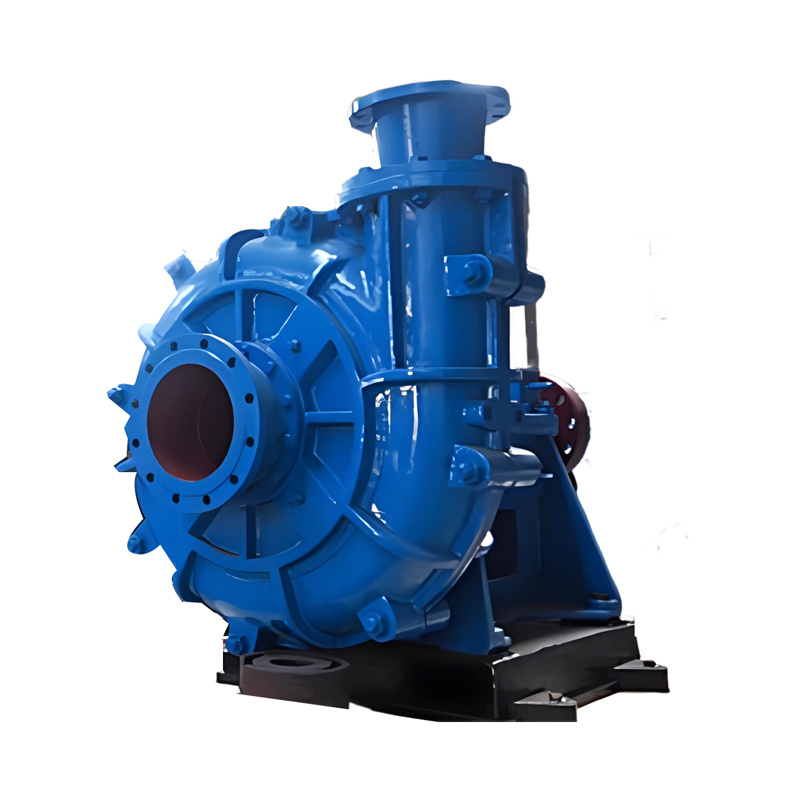
Understanding the Different Sizes and Capacities of Gravel Pumps
Gravel pumps are essential equipment in various industrial applications, particularly in the mining and construction sectors. As we delve into the intricacies of gravel pumps, it is vital to understand their sizes and capacities to make informed decisions that meet your specific requirements. In this comprehensive guide, we will explore the types of gravel pumps, their capacities, factors influencing pump selection, and much more.
What Are Gravel Pumps?
Gravel pumps are specialized pumps designed to transport gravel, sand, and other abrasive materials. Unlike standard pumps, gravel pumps can handle larger particles and thicker slurries, making them ideal for demanding applications in mining and civil engineering. These pumps come in various types, each suited to specific tasks, and can be powered by electric motors or diesel engines.
Types of Gravel Pumps
There are several types of gravel pumps, each with unique features and applications. Understanding these types is crucial for selecting the right pump for your needs.
1. Centrifugal Gravel Pumps
Centrifugal gravel pumps utilize a rotating impeller to move the slurry. They are known for their efficiency and ability to handle large volumes of material. These pumps are typically used in applications where high flow rates are required, such as river dredging and mining operations.
2. Positive Displacement Pumps
Positive displacement pumps work by trapping a fixed amount of slurry and forcing it through the discharge line. These pumps are effective for handling thick and viscous materials, making them suitable for specific applications in construction and mining where material density is high.
3. Submersible Gravel Pumps
Submersible gravel pumps are designed to operate underwater, making them ideal for drainage and dewatering applications. They can efficiently handle slurries with high solid content, providing versatility in various settings.
Understanding Sizes and Capacities
When choosing a gravel pump, understanding its size and capacity is vital. The capacity of a pump is typically measured in gallons per minute (GPM) or cubic meters per hour (m³/h), while size refers to the physical dimensions and the diameter of the inlet and outlet connections.
Factors Influencing Gravel Pump Size and Capacity
Several factors determine the appropriate size and capacity of a gravel pump for your operations:
1. Type of Material Being Pumped
The size and density of the gravel or slurry significantly influence the pump choice. Coarser materials require larger pumps to accommodate the larger particles without causing blockages.
2. Required Flow Rate
The flow rate required for your operation will dictate the pump’s capacity. High-demand applications will necessitate a pump with a higher GPM or m³/h rating to ensure efficiency.
3. Total Dynamic Head (TDH)
Total Dynamic Head is the total equivalent height that a pump must overcome to move the slurry. It includes the static lift, friction losses, and dynamic effects. Understanding TDH is crucial in determining the right pump size.
4. Pumping Distance
The distance between the gravel source and the discharge point can affect the pump performance. Longer distances may require a more powerful pump to maintain the necessary flow rate.
5. Power Source
The type of power source can also impact the choice of pump size. Diesel engines may provide higher power outputs, allowing for larger pump sizes and capacities.
Calculating Pump Capacity: A Step-by-Step Approach
To select the right gravel pump, it is essential to calculate the required capacity. Here’s how to do it:
Step 1: Determine the Flow Rate
Calculate the flow rate needed for your operation. This can be determined by the volume of material to be moved and the time frame for transportation.
Step 2: Calculate the Total Dynamic Head (TDH)
Add up the height the pump needs to lift the slurry, along with any friction losses due to piping or fittings. This will give you the TDH required for your pump.
Step 3: Refer to Pump Curves
Pump manufacturers provide pump curves that display the relationship between flow rate and TDH. Use these curves to find a pump that meets your calculated requirements.
Step 4: Consider Safety Margins
It is prudent to factor in a safety margin when selecting a pump, ensuring that it can handle unexpected conditions without compromising performance.
Applications of Gravel Pumps
Gravel pumps are employed in various industries, showcasing their versatility. Below are some common applications:
1. Mining Operations
In the mining industry, gravel pumps are utilized for transporting slurry from extraction sites to processing facilities. Their ability to handle abrasive materials makes them indispensable in this sector.
2. Construction Projects
Gravel pumps are used in construction for tasks like dewatering and transporting concrete aggregates. They help maintain job site efficiency and improve productivity.
3. Dredging
Dredging operations rely heavily on gravel pumps to remove sediment and debris from waterways, ensuring navigable channels and maintaining water quality.
4. Environmental Remediation
Gravel pumps play a crucial role in environmental cleanup efforts, transporting contaminated materials back to processing sites for safe disposal or treatment.
Choosing the Right Gravel Pump: Key Considerations
Selecting the right gravel pump involves careful consideration of various factors:
1. Application Requirements
Evaluate your specific application requirements, including material types, distances, and flow rates. This will help narrow down your options.
2. Technical Specifications
Review the technical specifications of potential pumps, ensuring they align with your operational needs. Consider factors such as inlet and outlet sizes, power source, and efficiency ratings.
3. Manufacturer Reputation
Opt for pumps from reputable manufacturers known for quality and reliability. Research customer reviews and case studies to gauge their performance in real-world applications.
4. Maintenance and Support
Assess the maintenance requirements of the pump and the support available from the manufacturer. Reliable after-sales support can significantly impact long-term performance.
Common Misconceptions About Gravel Pumps
Several misconceptions surround gravel pumps, which can lead to poor decision-making:
1. All Pumps Are the Same
Many believe that all pumps can handle gravel, but gravel pumps are specifically designed for abrasive materials, making them distinct from standard pumps.
2. Size Doesn’t Matter
The misconception that size is irrelevant can lead to inefficiencies. Choosing the right size is crucial for optimal performance and longevity.
3. Maintenance Isn’t Needed
Regular maintenance is essential for any pump, including gravel pumps. Neglecting maintenance can lead to premature failure and costly repairs.
FAQs About Gravel Pumps
1. What is the average lifespan of a gravel pump?
The lifespan of a gravel pump can vary widely based on usage, maintenance, and material type. However, with proper care, a gravel pump can last anywhere from 5 to 15 years.
2. Can gravel pumps handle other materials?
While gravel pumps are designed for abrasive materials, they can also handle sand, silt, and some slurries. However, it’s essential to ensure the pump is suitable for the specific material type.
3. How do I know if I need a centrifugal or positive displacement pump?
If you need to handle high flow rates and lower viscosity materials, a centrifugal pump is ideal. For thicker slurries or high-viscosity materials, a positive displacement pump is more suitable.
4. Are there energy-efficient options for gravel pumps?
Yes, many manufacturers offer energy-efficient models that can help reduce operational costs while maintaining performance.
5. What maintenance is required for gravel pumps?
Regular maintenance includes checking seals, bearings, and impellers, along with routine cleaning and inspections to ensure optimal performance.
Conclusion
Gravel pumps are critical assets in industries that deal with heavy materials and slurries. Understanding the different sizes and capacities available empowers you to make informed decisions that enhance operational efficiency. By considering factors such as material type, flow rate, and total dynamic head, you can select the most suitable pump for your needs. Whether in mining, construction, or environmental remediation, the right gravel pump will significantly impact your project’s success. By prioritizing quality, maintenance, and the right specifications, you can maximize the benefits of your investment in gravel pumps.
Contact Us
E-mail :
liu@cnpumpmade.com
WhatsApp:
+8615028256698
Address:
Nanyang Industrial Park, Shifo Town, Anguo City, Hebei Province, China


Leave Your Message