To provide high-quality Water pump products for global customers.


Troubleshooting Common Issues with Multistage Pumps: A Comprehensive Guide for Optimal Performance
Jan 07,2026
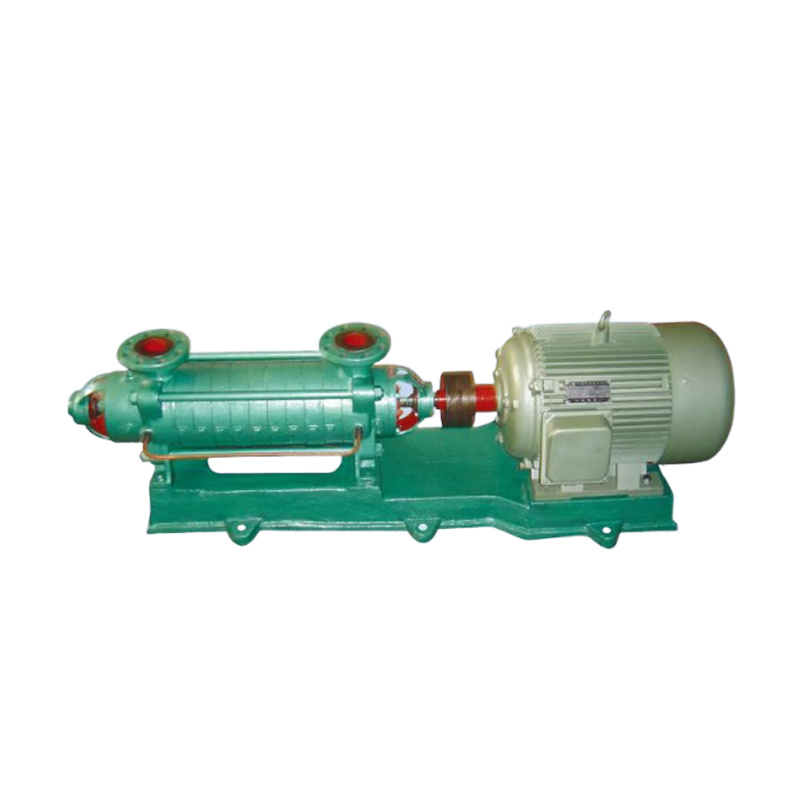
Troubleshooting Common Issues with Multistage Pumps: A Comprehensive Guide
Multistage pumps serve a crucial role in various industrial applications, delivering water and other fluids under high pressure. However, like any mechanical equipment, they may encounter issues that affect their efficiency and performance. Understanding how to troubleshoot these common problems can save time and costly repairs. In this guide, we will explore the typical issues associated with multistage pumps, their causes, and practical solutions to ensure smooth operation.
Table of Contents
1. Introduction to Multistage Pumps
2. Common Issues with Multistage Pumps
2.1 Low Flow Rate
2.2 Abnormal Noise Levels
2.3 Increased Power Consumption
2.4 Overheating of the Pump
2.5 Leakage Problems
3. Diagnosing the Problems
3.1 Visual Inspections
3.2 Performance Metrics Evaluation
4. Solutions to Common Problems
4.1 Addressing Low Flow Rate
4.2 Reducing Noise Production
4.3 Optimizing Power Consumption
4.4 Preventing Overheating
4.5 Resolving Leakage Issues
5. Best Practices for Maintenance
5.1 Routine Inspections
5.2 Cleaning and Servicing
5.3 Proper Installation Techniques
6. Conclusion
7. Frequently Asked Questions (FAQs)
1. Introduction to Multistage Pumps
Multistage pumps consist of multiple impellers stacked in series to increase the pressure of the fluid being pumped. They are commonly used in applications requiring high pressure and flow rates, such as water supply systems, irrigation, and industrial processes. Understanding their operation is essential for effective troubleshooting.
2. Common Issues with Multistage Pumps
While multistage pumps are reliable, they can develop problems that hinder their performance.
2.1 Low Flow Rate
A **low flow rate** can signify underlying issues. It may result from blockages in the piping system or wear in the pump components, affecting the hydraulic efficiency.
2.2 Abnormal Noise Levels
**Abnormal noise** from a multistage pump can indicate cavitation, misalignment, or worn bearings. Such noises should not be overlooked, as they may lead to significant damage if not addressed promptly.
2.3 Increased Power Consumption
When a pump consumes more power than usual, it may indicate mechanical issues or inefficiencies in the system, leading to higher operational costs.
2.4 Overheating of the Pump
Overheating can occur due to inadequate cooling, excessive friction, or pump overload. This condition can drastically reduce the lifespan of the pump components.
2.5 Leakage Problems
**Leakage** is a common issue that can stem from seal failures or improper assembly. Identifying and rectifying leaks is essential to prevent fluid loss and maintain system efficiency.
3. Diagnosing the Problems
Effective troubleshooting begins with a thorough diagnosis of the symptoms and potential causes.
3.1 Visual Inspections
Conduct regular **visual inspections** of the pump and surrounding areas. Look for signs of wear, corrosion, or fluid leaks that can indicate potential problems.
3.2 Performance Metrics Evaluation
Monitor key performance metrics such as flow rate, pressure, and power consumption. Comparing these metrics against standard operating conditions can help identify deviations that warrant further investigation.
4. Solutions to Common Problems
Once issues are identified, implementing the right solutions is crucial for restoring optimal performance.
4.1 Addressing Low Flow Rate
To resolve a **low flow rate**, check for any blockages in the intake or discharge lines. Inspect filters and strainers for debris. If wear is detected in impellers, consider replacing them.
4.2 Reducing Noise Production
To minimize **abnormal noise**, ensure the pump is correctly aligned and that the bearings are lubricated. If cavitation is the cause, assess the suction conditions and consider increasing the inlet pressure.
4.3 Optimizing Power Consumption
To tackle **increased power consumption**, examine the pump’s operational parameters. Adjust the throttle valve settings to match the required flow rate, and verify that the motor is appropriately sized for the application.
4.4 Preventing Overheating
Ensure the cooling system is functioning correctly to prevent **overheating**. Regularly check the temperature and use thermal sensors to monitor the pump’s operational conditions.
4.5 Resolving Leakage Issues
Address **leakage** by inspecting seals and gaskets for wear or damage. Replace faulty components and check for proper installation to prevent future leaks.
5. Best Practices for Maintenance
Implementing preventive maintenance can significantly reduce the likelihood of issues arising in the first place.
5.1 Routine Inspections
Schedule **routine inspections** to catch potential problems early. Regularly check for signs of wear, listen for unusual noises, and monitor performance metrics.
5.2 Cleaning and Servicing
Regularly clean the pump and its components to prevent buildup that can affect performance. Follow manufacturer guidelines for servicing intervals.
5.3 Proper Installation Techniques
Ensure that **proper installation techniques** are followed to avoid common problems. This includes ensuring correct alignment and securing all fittings and connections.
6. Conclusion
Troubleshooting common issues with multistage pumps is essential for maintaining efficiency and avoiding costly downtime. By being proactive in diagnosing problems and implementing effective solutions, operators can ensure their pumping systems remain reliable and perform at their best. Regular maintenance and careful monitoring will extend the life of these critical components, leading to enhanced productivity and reduced operational costs.
7. Frequently Asked Questions (FAQs)
What are the most common issues faced by multistage pumps?
The most common issues include low flow rates, abnormal noises, increased power consumption, overheating, and leakage.
How can I prevent multistage pump issues?
Regular maintenance, routine inspections, and adhering to proper installation techniques can help prevent many issues.
What should I do if my multistage pump is overheating?
Check the cooling system, ensure proper lubrication, and verify that the pump is not overloaded.
How can I identify a low flow rate in my pump?
Monitor performance metrics such as flow rate and pressure; a significant drop in these metrics may indicate a low flow rate.
When should I replace the components of my multistage pump?
Replace components when they show signs of wear, damage, or if performance metrics significantly deviate from normal operating conditions.
By following this comprehensive guide, operators can effectively troubleshoot issues with multistage pumps, ensuring their systems run smoothly and efficiently.
Contact Us
E-mail :
liu@cnpumpmade.com
WhatsApp:
+8615028256698
Address:
Nanyang Industrial Park, Shifo Town, Anguo City, Hebei Province, China


Leave Your Message