To provide high-quality Water pump products for global customers.


Double Suction Pumps: Optimizing Your Pumping Systems for Maximum Efficiency
Dec 14,2025
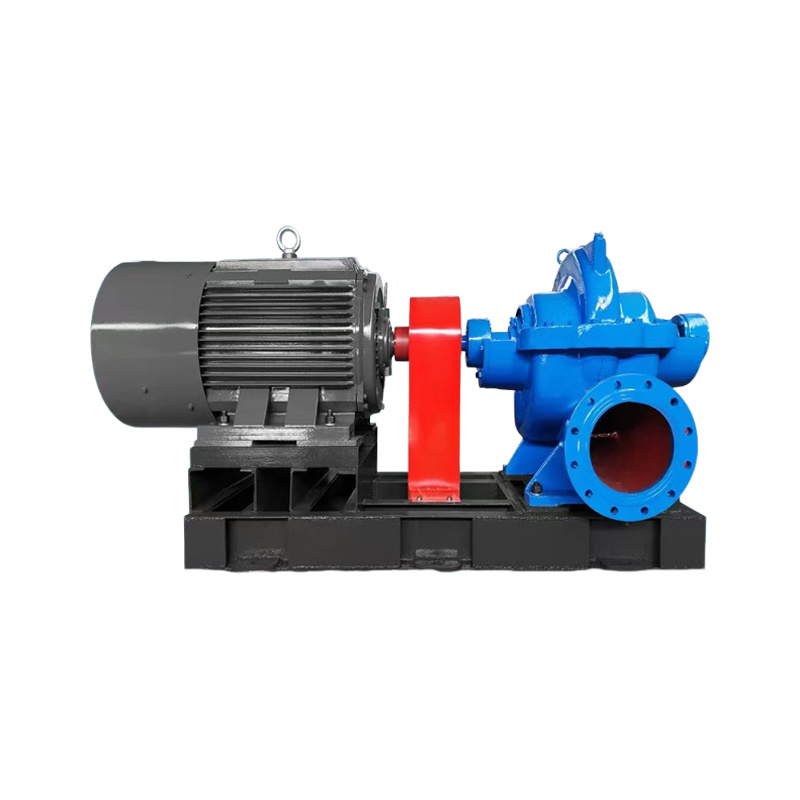
Double Suction Pumps: Optimizing Your Pumping Systems for Maximum Efficiency
Table of Contents
- 1. Introduction to Double Suction Pumps
- 2. Design Principles of Double Suction Pumps
- 3. Advantages of Using Double Suction Pumps
- 4. Key Performance Factors in Pumping Systems
- 5. Essential Maintenance Tips for Double Suction Pumps
- 6. Common Applications of Double Suction Pumps
- 7. Troubleshooting Common Issues
- 8. Conclusion
- 9. Frequently Asked Questions
1. Introduction to Double Suction Pumps
Double suction pumps are a critical component in numerous industrial applications, designed to handle large volumes of fluid with high efficiency. Unlike traditional single suction pumps, double suction pumps possess two inlet casings, allowing for balanced hydraulic forces and reduced vibrations. This design not only improves the pump's durability but also enhances its ability to move fluids under varying pressure conditions.
In this article, we will dive into the mechanics of double suction pumps, explore their advantages, discuss essential performance factors, and provide maintenance tips to optimize your pumping systems.
2. Design Principles of Double Suction Pumps
Understanding the design principles of double suction pumps is vital to grasping their operational effectiveness. These pumps utilize a **two-suction impeller** configuration, which contributes to several advantageous features:
2.1 Impeller Design
The impeller's design is crucial as it determines the pump’s efficiency and flow capacity. The dual inlets allow for equal distribution of fluid, minimizing cavitation and ensuring a steady flow rate.
2.2 Housing and Volute
The pump housing is engineered to accommodate the two suction inlets. The volute design helps in converting kinetic energy from the fluid into pressure energy, optimizing the overall performance of the pump.
2.3 Bearings and Shaft Configuration
Double suction pumps feature robust bearing systems that support the pump shaft and reduce wear and tear. This configuration is essential for enabling smooth operation and prolonging the life of the pump.
3. Advantages of Using Double Suction Pumps
The unique design of double suction pumps offers several advantages over traditional pumps:
3.1 Increased Efficiency
By utilizing two suction inlets, double suction pumps can handle larger volumes of fluid with higher efficiency, leading to cost savings and improved output.
3.2 Reduced Vibration and Noise
The balanced design minimizes vibrations, resulting in quieter operation. This feature is particularly beneficial in environments where noise reduction is a priority.
3.3 Extended Lifespan
Due to their robust construction and balanced performance, double suction pumps often have a longer lifespan compared to single suction pumps, reducing the frequency of replacement and repairs.
4. Key Performance Factors in Pumping Systems
To optimize the performance of double suction pumps, several key factors must be considered:
4.1 Flow Rate and Head
Determining the optimal flow rate and head is crucial. Analyzing the system's requirements can help in selecting the right pump size and design.
4.2 Fluid Properties
The viscosity, temperature, and density of the fluid being pumped can significantly impact pump performance. It is essential to match the pump specifications with the fluid properties to ensure efficiency.
4.3 System Design
Proper system design, including piping layout and fittings, can minimize friction losses and improve overall efficiency.
4.4 Operating Conditions
Understanding the operating conditions, including pressure fluctuations and ambient temperature, can help in selecting the appropriate pump materials and design.
5. Essential Maintenance Tips for Double Suction Pumps
Regular maintenance is critical for ensuring the optimal performance of double suction pumps. Here are some essential maintenance tips:
5.1 Routine Inspections
Conduct routine visual inspections for leaks, corrosion, and any unusual wear signs. Early detection of issues can prevent costly repairs.
5.2 Lubrication
Ensure that all moving parts are adequately lubricated according to the manufacturer's specifications. Proper lubrication reduces friction and wear, extending the pump's life.
5.3 Monitor Performance Metrics
Regularly monitor vital performance metrics such as flow rate, pressure, and energy consumption. Any deviations from normal operating ranges should be investigated promptly.
5.4 Cleaning
Clean the pump and its components regularly to prevent debris and sediment buildup, which can impair performance and efficiency.
5.5 Replace Worn Parts
Identify and replace worn or damaged components before they lead to system failures. Keeping spare parts on hand can minimize downtime during maintenance.
6. Common Applications of Double Suction Pumps
Double suction pumps are versatile and can be utilized across various industries. Some common applications include:
6.1 Water Supply and Distribution
These pumps are frequently used in municipal water supply systems for their ability to handle high flow rates and pressures.
6.2 HVAC Systems
In heating, ventilation, and air conditioning systems, double suction pumps efficiently circulate water and refrigerants.
6.3 Irrigation Systems
Agricultural applications benefit from double suction pumps, which provide reliable water delivery for irrigation purposes.
6.4 Industrial Processes
In manufacturing and processing industries, double suction pumps are employed for moving chemicals, slurries, and other fluids.
7. Troubleshooting Common Issues
Despite their durability, double suction pumps can encounter problems. Here are some common issues and troubleshooting tips:
7.1 Low Flow Rate
If the pump is not delivering the expected flow rate, check for blockages in the inlet or discharge lines, and ensure that the impeller is not damaged.
7.2 Unusual Noises
Strange noises can indicate misalignment or bearing issues. Inspect the bearings and ensure they are properly lubricated.
7.3 Excessive Vibration
Vibration may be caused by an unbalanced impeller or an issue with the mounting. Reassess the installation and alignment of the pump.
7.4 Overheating
If the pump is overheating, check for adequate cooling and ensure that the fluid being pumped is within the recommended temperature range.
8. Conclusion
Optimizing your pumping systems with double suction pumps can lead to significant improvements in efficiency, reliability, and cost-effectiveness. By understanding the design principles, advantages, performance factors, and maintenance needs of these pumps, one can ensure their systems operate at peak performance. Regular maintenance and monitoring can help prevent common issues and prolong the lifespan of your pumping systems. Investing time in understanding and optimizing double suction pumps is crucial for any industry reliant on effective fluid movement.
9. Frequently Asked Questions
9.1 What are double suction pumps used for?
Double suction pumps are primarily used for moving large volumes of fluids in various applications, including water supply, HVAC systems, and industrial processes.
9.2 How do double suction pumps differ from single suction pumps?
Double suction pumps feature two inlet casings, allowing for balanced hydraulic forces and reduced vibrations, whereas single suction pumps have only one inlet.
9.3 What maintenance is required for double suction pumps?
Routine inspections, lubrication, monitoring performance metrics, cleaning, and replacing worn parts are essential maintenance practices for double suction pumps.
9.4 How can I improve the efficiency of my double suction pump?
Improving efficiency involves ensuring proper system design, matching pump specifications to fluid properties, and conducting regular maintenance.
9.5 What are the signs of a failing double suction pump?
Signs include low flow rates, unusual noises, excessive vibrations, and overheating. Addressing these issues promptly can prevent further damage to the pump.
Contact Us
E-mail :
liu@cnpumpmade.com
WhatsApp:
+8615028256698
Address:
Nanyang Industrial Park, Shifo Town, Anguo City, Hebei Province, China


Leave Your Message