To provide high-quality Water pump products for global customers.


A Deep Dive into the Design of Double Suction Pumps
Nov 14,2025
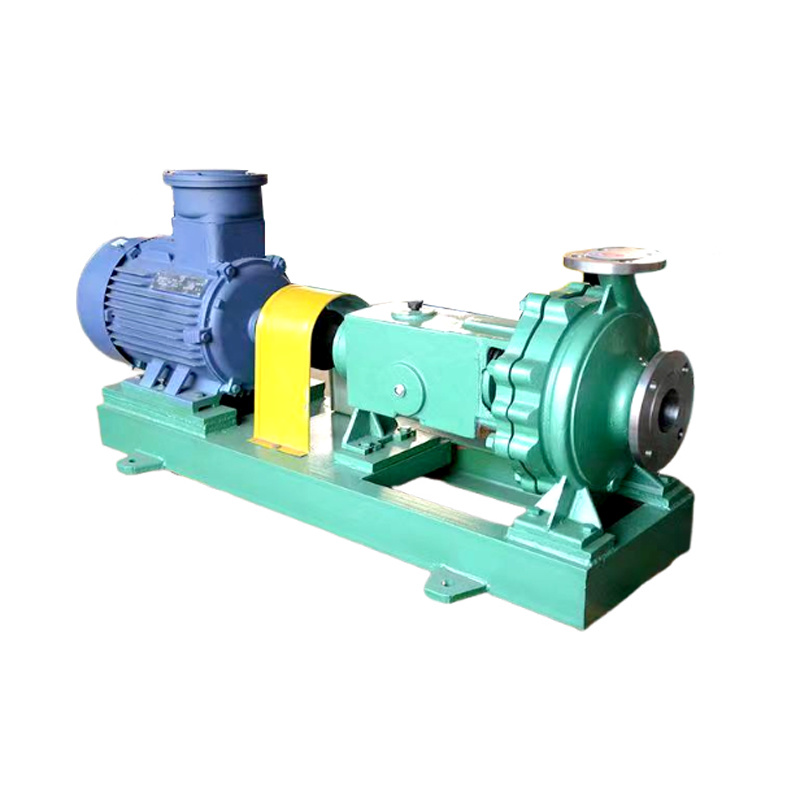
A Deep Dive into the Design of Double Suction Pumps
Table of Contents
1. Introduction to Double Suction Pumps
2. Key Design Features of Double Suction Pumps
- 2.1 Impeller Design and Configuration
- 2.2 Casing Types and Materials
3. Operational Principles of Double Suction Pumps
4. Advantages of Using Double Suction Pumps
5. Industries Utilizing Double Suction Pumps
6. Installation and Maintenance Best Practices
7. Common Troubleshooting Issues
8. Conclusion
9. Frequently Asked Questions (FAQs)
Introduction to Double Suction Pumps
Double suction pumps play a vital role in the realm of industrial fluid transfer. Their unique design features enable them to move large volumes of fluid efficiently while minimizing the risk of cavitation. This article delves into the engineering intricacies and operational principles of double suction pumps, providing a detailed understanding of their importance in various applications.
Key Design Features of Double Suction Pumps
Double suction pumps are distinguished by their innovative design, which allows for the simultaneous entry of fluid into both sides of the impeller, leading to enhanced performance and efficiency.
Impeller Design and Configuration
At the heart of every double suction pump is its impeller, which is typically designed with two suction inlets. This configuration not only balances axial thrust but also increases the pump's capacity. The impeller can be crafted from various materials, including stainless steel and bronze, depending on the application requirements. The design can be either closed or open, impacting the pump's efficiency and the types of fluids it can handle.
Casing Types and Materials
The casing of a double suction pump serves as the outer shell that houses the impeller and directs the flow of fluid. These casings can be designed in various shapes, including volute and diffuser types, which play a significant role in the pump's hydraulic performance. The choice of material is critical, as it must withstand corrosion and wear, particularly when handling abrasive or chemically aggressive fluids.
Operational Principles of Double Suction Pumps
Double suction pumps operate on the principle of centrifugal force. When the pump is activated, the impeller rotates, creating a low-pressure area at the suction side, which draws fluid into the pump. As the fluid enters, it is thrown outward by the impeller blades, gaining kinetic energy and being directed through the discharge outlet. This design effectively reduces the risk of cavitation and ensures a steady flow rate.
Advantages of Using Double Suction Pumps
The benefits of double suction pumps are manifold, making them a preferred choice for many industrial applications:
1. **Increased Efficiency**: The dual suction design minimizes turbulence and energy loss, resulting in higher operational efficiency.
2. **Reduced Axial Thrust**: By balancing the flow on both sides of the impeller, double suction pumps experience less axial thrust, leading to extended bearing life.
3. **Enhanced Flow Capacity**: These pumps can handle larger volumes of fluid compared to single suction designs, making them ideal for high-demand applications.
4. **Versatility**: Double suction pumps can accommodate a wide range of fluids, including dirty or viscous liquids, thanks to their robust construction.
Industries Utilizing Double Suction Pumps
Double suction pumps find applications across various industries, including:
1. **Water and Wastewater Treatment**: They are essential for moving large volumes of water and wastewater efficiently through treatment facilities.
2. **Chemical Processing**: In chemical plants, they handle corrosive and abrasive fluids, ensuring safe and effective fluid transfer.
3. **Power Generation**: Double suction pumps are critical in cooling systems, where they circulate water to cool equipment and maintain operational efficiency.
4. **Mining and Minerals**: In the mining sector, these pumps transport slurry and other viscous materials, showcasing their versatility and durability.
Installation and Maintenance Best Practices
Proper installation and maintenance are crucial for optimizing the performance of double suction pumps:
1. **Site Preparation**: Ensure the installation site is clean and leveled. Proper alignment with the motor and other components is vital to avoid vibrations and wear.
2. **Regular Inspections**: Conduct routine inspections to check for signs of wear, leaks, and proper operation. Early detection can prevent costly downtime.
3. **Lubrication**: Maintain proper lubrication of bearings and mechanical seals to minimize friction and prolong the life of the pump.
4. **System Monitoring**: Utilize sensors and monitoring systems to track performance metrics such as flow rate, pressure, and temperature, allowing for proactive maintenance.
Common Troubleshooting Issues
Even well-designed double suction pumps can experience issues. Here are some common problems and their solutions:
1. **Cavitation**: This occurs when low-pressure areas form within the pump, leading to noise and damage. Solutions include ensuring proper fluid intake and adjusting the pump's operational conditions.
2. **Vibration**: Excessive vibration may indicate misalignment, imbalance, or wear. Regular alignment checks and bearing inspections can mitigate this issue.
3. **Low Flow Rate**: If the pump is not achieving the desired flow rate, check for blockages, leaks, and ensure that the impeller is functioning correctly.
Conclusion
Understanding the design and functionality of double suction pumps is essential for anyone involved in industrial fluid transfer applications. Their efficient design offers numerous advantages, making them a reliable choice for various industries. By following best practices in installation and maintenance, operators can ensure optimal performance and longevity of these critical pumps.
Frequently Asked Questions (FAQs)
1. **What is the primary advantage of double suction pumps compared to single suction pumps?**
Double suction pumps offer higher flow capacity and reduced axial thrust, which enhances efficiency and longevity.
2. **What types of fluids can double suction pumps handle?**
These pumps can handle a wide range of fluids, including clean water, wastewater, chemicals, and abrasive materials.
3. **How often should double suction pumps be inspected?**
Regular inspections should be conducted at least quarterly, with more frequent checks recommended in high-demand environments.
4. **What are the common materials used for constructing double suction pump casings?**
Common materials include cast iron, stainless steel, and bronze, chosen based on the specific application and fluid characteristics.
5. **Can double suction pumps be used in corrosive environments?**
Yes, when constructed with appropriate materials, double suction pumps can safely handle corrosive fluids, making them suitable for chemical processing industries.
Contact Us
E-mail :
liu@cnpumpmade.com
WhatsApp:
+8615028256698
Address:
Nanyang Industrial Park, Shifo Town, Anguo City, Hebei Province, China


Leave Your Message