To provide high-quality Water pump products for global customers.


The Importance of Maintenance for Your Gravel Pump: Essential Tips and Tricks for Optimal Performance
Jul 05,2025
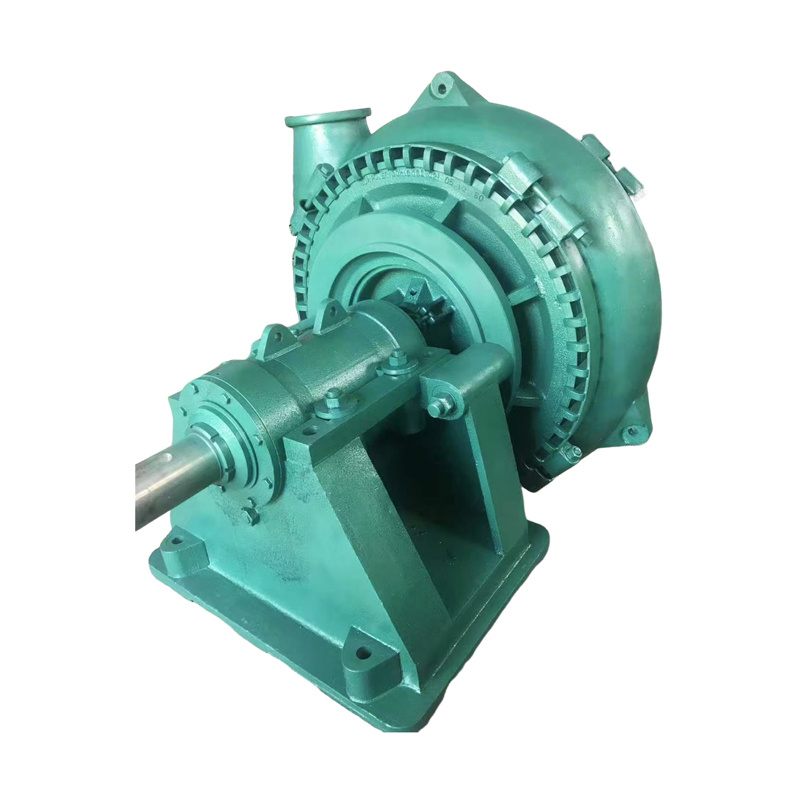
The Importance of Maintenance for Your Gravel Pump: Essential Tips and Tricks for Optimal Performance
Introduction to Gravel Pumps and Their Importance
Gravel pumps are indispensable in various industries, particularly in construction, mining, and dredging. These pumps are designed specifically to handle abrasive materials like gravel and sand, making them ideal for transporting slurry and other particulate matter. However, like any industrial equipment, gravel pumps require regular maintenance to function efficiently. Neglecting proper care can lead to diminished performance, unexpected breakdowns, and costly replacements.
In this article, we will explore the **importance of maintenance for gravel pumps** in detail. We will provide invaluable tips and tricks to ensure your equipment remains in top condition, maximizing its lifespan and efficiency.
1. Understanding Gravel Pumps: Types and Applications
1.1 What Are Gravel Pumps?
Gravel pumps are centrifugal pumps that transport gravel, sand, and other solids mixed with water. They are engineered to handle high-density materials while maintaining a robust performance level. These pumps are widely used in:
- **Construction Sites**: For transporting aggregates and slurry.
- **Mining Operations**: To remove excess water and manage tailings.
- **Dredging**: For extracting materials from underwater environments.
1.2 Types of Gravel Pumps
There are various types of gravel pumps, including:
- **Horizontal Gravel Pumps**: Commonly used for transferring materials over long distances.
- **Vertical Gravel Pumps**: Designed for submerged applications, often used in mining.
- **Submersible Gravel Pumps**: Ideal for handling slurry in confined spaces.
Each type serves a specific purpose, tailored to meet the demands of different industries.
2. The Crucial Role of Maintenance in Performance
Regular maintenance is vital for the peak performance of gravel pumps. Here are key reasons why:
2.1 Enhancing Efficiency
Routine maintenance ensures that the pump operates at its optimal efficiency. Over time, wear and tear can affect the pump's performance, leading to increased energy consumption and reduced output. By regularly inspecting and servicing your pump, you can maintain its efficiency levels.
2.2 Preventing Breakdowns
Unexpected breakdowns can halt operations and lead to costly repairs. Regular maintenance helps identify potential issues before they escalate, allowing for timely interventions. This proactive approach reduces downtime and keeps your project on schedule.
2.3 Increasing Lifespan
With proper maintenance, the lifespan of your gravel pump can significantly increase. Regular checks and servicing help to identify parts that require replacement or repair, extending the overall life of the equipment and ensuring that it continues to perform effectively.
3. Essential Maintenance Tips for Your Gravel Pump
Maintaining your gravel pump involves several key practices. Here are some essential tips to follow:
3.1 Regular Inspections
Conducting regular inspections is the foundation of effective maintenance. Schedule inspections based on your operational demands, but a general guideline suggests:
- **Daily Checks**: Look for leaks, unusual noises, and vibrations.
- **Weekly Checks**: Inspect belts, hoses, and seals for wear and tear.
- **Monthly Checks**: Examine the impeller and wear plates.
During these inspections, document any abnormalities or needed repairs to keep track of your pump's condition.
3.2 Lubrication and Fluid Levels
Proper lubrication is crucial for the smooth operation of your gravel pump. Make sure to:
- Use the recommended lubricant for the pump's bearings and other moving parts.
- Regularly check fluid levels to ensure optimal performance. Low levels can lead to increased heat and friction, potentially causing damage.
Always follow the manufacturer's guidelines for lubricants and fluid types.
3.3 Cleaning and Debris Removal
Gravel pumps are susceptible to clogging due to debris buildup. Regular cleaning is essential to maintain performance. Follow these steps:
- Remove any accumulated debris from the pump casing and intake.
- Clean filters and strainers to ensure unrestricted flow.
- Flush the system with clean water to eliminate any residual materials.
4. Troubleshooting Common Gravel Pump Issues
Even with diligent maintenance, issues may arise. Here are common problems and how to troubleshoot them:
4.1 Low Flow Rate
If you notice a decrease in flow rate, check for:
- Clogs in the intake or discharge lines.
- Wear on the impeller or wear plates.
- Correct alignment of the pump and motor.
Addressing these issues promptly can restore your pump's performance.
4.2 Unusual Noises
Unusual noises can signal problems within the pump. Investigate the source, as it may indicate:
- Bearing wear: Replace bearings if they are making grinding or rattling noises.
- Cavitation: Check for air leaks or low fluid levels, which can cause cavitation and damage.
4.3 Overheating
Overheating is a significant concern for gravel pumps. If your pump is running hot, consider:
- Checking the lubrication levels.
- Ensuring proper ventilation around the pump.
- Inspecting for blockages in the cooling pathways.
5. Seasonal Maintenance Considerations
Changes in weather can impact the maintenance needs of your gravel pump. Here’s how to adapt:
5.1 Preparing for Winter
Before winter sets in, ensure:
- The pump is drained to prevent freezing.
- All moving parts are properly lubricated to avoid stiffness in cold temperatures.
5.2 Summer Readiness
During hot months, monitor:
- Fluid levels more frequently due to increased evaporation.
- The cooling system to ensure it is functioning properly.
6. Professional Maintenance Services: When to Seek Help
While regular maintenance can be performed in-house, some situations require professional expertise:
- If significant repairs are needed that exceed your team's capabilities.
- During annual inspections, consider hiring professionals for a thorough assessment.
- When troubleshooting persistent issues that cannot be resolved internally.
Professional services can provide in-depth knowledge and advanced tools to ensure your equipment is in optimal shape.
7. Conclusion
Maintaining your gravel pump is not just about prolonging its life; it's about ensuring efficient performance and minimizing operational disruptions. By following these essential tips and developing a proactive maintenance routine, we can ensure that our pumps operate effectively, providing the reliability needed in demanding industries. Regular inspections, proper lubrication, and timely troubleshooting are the cornerstones of effective maintenance. With proper care, your gravel pump can continue to perform at its best, delivering the results you need for your projects.
FAQs
1. How often should I perform maintenance on my gravel pump?
Regular maintenance should occur daily, weekly, and monthly, depending on usage. Daily checks for leaks and unusual sounds, weekly inspections of belts and hoses, and monthly examinations of the impeller are recommended.
2. What are the signs that my gravel pump needs maintenance?
Signs include decreased flow rate, unusual noises, and overheating. If you notice any of these, it's crucial to investigate and address potential issues promptly.
3. Can I handle gravel pump maintenance myself?
Yes, many maintenance tasks can be performed in-house, but some situations may require professional assistance, especially for significant repairs or inspections.
4. What can I do to prevent clogging in my gravel pump?
Regular cleaning, inspecting filters and strainers, and flushing the system can help prevent clogging. Ensuring that intake areas are clear of debris is essential.
5. What types of lubricants should I use for my gravel pump?
Always refer to the manufacturer's guidelines for recommended lubricants, as different pumps may require specific types for optimal performance.
By adhering to these practices, we can maintain our gravel pumps effectively, ensuring they operate efficiently and minimizing the risk of unexpected failures.
Contact Us
E-mail :
liu@cnpumpmade.com
WhatsApp:
+8615028256698
Address:
Nanyang Industrial Park, Shifo Town, Anguo City, Hebei Province, China


Leave Your Message