To provide high-quality Water pump products for global customers.


Understanding the Mechanics of Gravel Pumps for Better Performance
Jun 15,2025
Understanding the Mechanics of Gravel Pumps for Better Performance
Gravel pumps play a crucial role in various industries, particularly in the extraction and transportation of gravel, sand, and other coarse materials. Understanding how these pumps operate can significantly enhance their performance and extend their lifespan. In this detailed exploration, we will cover the mechanics of gravel pumps, their applications, maintenance tips, and how to select the right pump for your needs.
Table of Contents
- What Are Gravel Pumps?
- The Mechanics of Gravel Pumps
- Applications of Gravel Pumps
- Maintenance of Gravel Pumps
- Selecting the Right Gravel Pump
- Common Issues and Solutions
- The Future of Gravel Pump Technology
- Frequently Asked Questions
What Are Gravel Pumps?
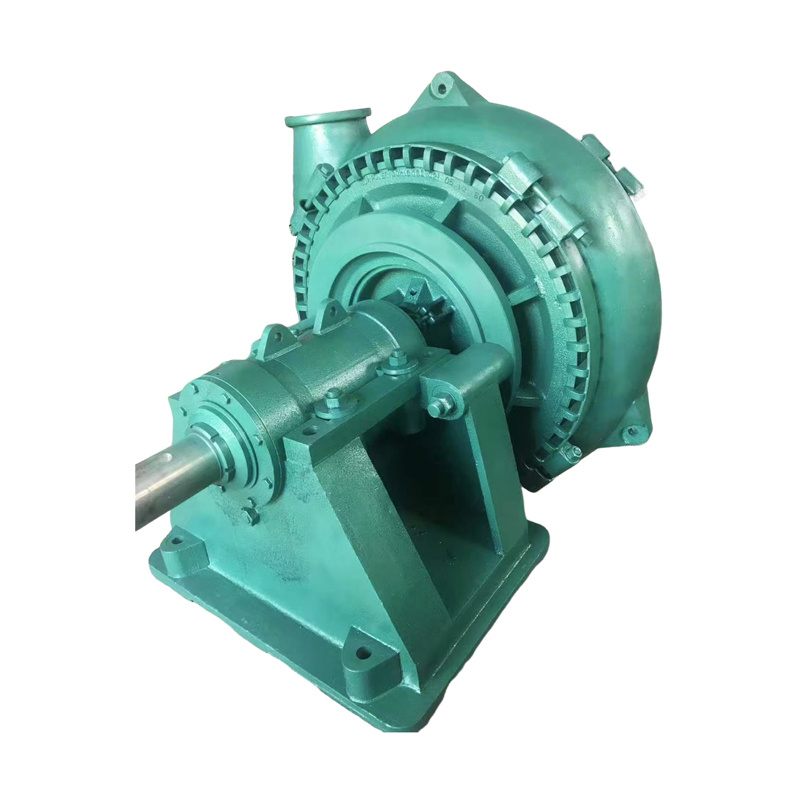
Gravel pumps are specialized centrifugal pumps designed for transporting abrasive materials like gravel, sand, and slurry. Unlike standard pumps, gravel pumps possess unique features that allow them to handle coarse materials without significant wear and tear. Their design often includes a larger diameter casing, a robust impeller, and a special wear-resistant material to withstand the abrasive nature of the materials being pumped.
The Mechanics of Gravel Pumps
Understanding the mechanics of gravel pumps is essential for optimizing their performance. This section covers the fundamental aspects of how gravel pumps work and their primary components.
Working Principle of Gravel Pumps
Gravel pumps operate on the principle of centrifugal force. The impeller, which is the heart of the pump, rotates at high speed, creating a low-pressure area that allows the gravel-laden fluid to enter the pump. As the impeller moves, it flings the material outward due to centrifugal force, propelling it through the discharge pipe.
This process can be broken down into the following key stages:
1. **Fluid Entry**: The gravel and water mixture enters the pump through the inlet, often designed to minimize turbulence.
2. **Impeller Activation**: The rotating impeller spins the fluid, creating velocity and pressure.
3. **Material Discharge**: The high-pressure fluid exits through the discharge outlet, allowing for efficient transportation of materials.
Understanding this process is critical for operators looking to maximize the efficiency and lifespan of their gravel pumps.
Key Components of Gravel Pumps
Several components contribute to the effective operation of gravel pumps. Familiarity with these parts can help in maintenance and troubleshooting.
1. **Impeller**: The impeller is typically made of wear-resistant material and is designed to handle large solid particles. Its shape and size are crucial for determining the pump's flow rate and pressure.
2. **Casing**: The pump casing encases the impeller and is designed to withstand the high pressures generated during operation. The design often includes removable parts for easy maintenance.
3. **Suction and Discharge Flanges**: These flanges connect the pump to the piping system. Their size and configuration can affect the flow rate and efficiency of the pump.
4. **Drive Mechanism**: Gravel pumps can be driven by various mechanisms, including electric motors or diesel engines, depending on the application requirements.
5. **Wear Plates and Liners**: These components protect the pump from wear caused by abrasive materials. Regular checks and replacements can significantly extend the pump's lifespan.
Applications of Gravel Pumps
Gravel pumps are utilized across various industries, thanks to their versatility and ability to handle challenging materials. Here are some of the primary applications:
1. **Construction**: Gravel pumps are commonly used in construction sites for transporting aggregate materials such as gravel and sand.
2. **Mining**: In mining operations, gravel pumps help in the extraction and transportation of minerals mixed with water, ensuring efficient material handling.
3. **Dredging**: Dredging operations use gravel pumps to remove sediment and debris from water bodies, maintaining navigable waterways and extracting valuable materials.
4. **Environmental Remediation**: Gravel pumps are often employed in environmental cleanup efforts, particularly in sites contaminated with hazardous materials.
5. **Agriculture**: In agricultural settings, gravel pumps help in irrigation processes, transporting water mixed with soil and other materials.
With such a diverse range of applications, understanding how to optimize gravel pump performance can lead to significant operational efficiencies.
Maintenance of Gravel Pumps
Proper maintenance is essential for the longevity and efficiency of gravel pumps. Here are essential maintenance tips:
1. **Regular Inspections**: Schedule routine inspections to check for wear and tear on the impeller, casing, and other components. Early detection of issues can prevent costly repairs.
2. **Lubrication**: Ensure that all moving parts are adequately lubricated. Use the manufacturer-recommended lubricants to minimize friction and prevent overheating.
3. **Wear Part Replacement**: As wear plates and liners degrade over time, replacing them promptly will help maintain efficiency and prevent damage to the pump.
4. **Seal Checks**: Regularly inspect the seals for leaks. Damaged seals can lead to material loss and decreased efficiency.
5. **Cleaning**: Keep the pump and its surrounding area clean. Accumulated debris can cause blockages and affect performance.
6. **Operational Monitoring**: Utilize monitoring tools to keep track of performance metrics such as flow rate and pressure, allowing for timely interventions when needed.
Implementing a comprehensive maintenance program will ensure that gravel pumps operate at peak performance.
Selecting the Right Gravel Pump
Choosing the appropriate gravel pump for your specific needs is vital for operational efficiency. Here are factors to consider:
1. **Material Characteristics**: Understand the type of materials you will be pumping. The size and abrasive nature of the material will dictate the type of gravel pump required.
2. **Flow Rate Requirements**: Calculate the required flow rate based on your operation's needs. Ensure that the pump you select can handle the desired flow without excessive wear.
3. **Head Pressure**: Consider the vertical lift required for your application. The pump must be able to handle the head pressure to ensure efficient material transport.
4. **Power Source**: Determine whether you need an electric or diesel-driven pump. Consider the availability of power sources on-site.
5. **Portability**: If your operation requires moving the pump frequently, choose a portable model that can be easily relocated.
6. **Cost**: While it may be tempting to opt for the cheapest option, evaluate the total cost of ownership, including maintenance and operational costs, to make a more informed decision.
Taking these factors into account will help you select a gravel pump that meets your operational requirements effectively.
Common Issues and Solutions
Even with proper maintenance, gravel pumps can face challenges. Here are some common issues and their solutions:
1. **Clogged Inlet**: A clogged inlet can reduce flow rates. Regularly clean the inlet and check for any debris that may cause blockages.
2. **Overheating**: If the pump overheats, check for insufficient lubrication or a blocked cooling system. Ensure that all systems are functioning correctly.
3. **Vibration**: Excessive vibration can indicate imbalanced components or wear. Inspect the impeller and casing for damage and replace any worn parts.
4. **Low Flow Rates**: If flow rates drop unexpectedly, check for clogs in the system or a failing impeller. Regular inspections will help catch these issues early.
5. **Seal Failures**: Seal failures can lead to leaks and decreased efficiency. Inspect seals regularly and replace them as needed to avoid significant issues.
By being proactive and addressing these common issues, operators can maintain optimal performance from their gravel pumps.
The Future of Gravel Pump Technology
As industries evolve, so too does the technology behind gravel pumps. Innovations are focusing on improving efficiency, reducing maintenance needs, and enhancing operational capabilities. Some trends to watch include:
1. **Smart Technology**: The integration of IoT devices allows for real-time monitoring of pump performance, facilitating predictive maintenance and optimization.
2. **Enhanced Materials**: Advances in materials science are leading to more durable components that can withstand abrasive materials for longer periods.
3. **Energy Efficiency**: Future designs are likely to focus on energy-efficient motors and systems that reduce operational costs and environmental impact.
4. **Automation**: Greater automation in pump operation can lead to improved efficiency and reduced labor costs, allowing for more streamlined processes.
Embracing these advancements will enable industries to maximize the effectiveness of their gravel pumps, leading to better performance and reduced operational costs.
Frequently Asked Questions
1. What is the primary function of a gravel pump?
Gravel pumps are primarily used for transporting abrasive materials, such as gravel and sand, mixed with water in various industrial applications.
2. How do I know if my gravel pump needs maintenance?
Regular inspections can help identify signs of wear, unusual noise, vibrations, or changes in flow rates, indicating that maintenance is necessary.
3. What types of materials can gravel pumps handle?
Gravel pumps are designed to handle coarse and abrasive materials, including gravel, sand, slurry, and other similar substances.
4. How often should I replace the wear parts of my gravel pump?
The frequency of wear part replacement depends on usage and material characteristics. Regular inspections will help determine when replacements are necessary.
5. Can gravel pumps be used for both construction and mining applications?
Yes, gravel pumps are versatile and can be effectively used in both construction and mining operations for transporting various materials.
Conclusion
In conclusion, understanding the mechanics of gravel pumps is essential for optimizing their performance and ensuring efficient operation across various applications. By familiarizing ourselves with the working principles, key components, maintenance strategies, and future technologies, we can maximize the benefits these pumps offer. Whether in construction, mining, or environmental remediation, gravel pumps play a vital role in material transportation. As we continue to innovate and embrace new technologies, the efficiency and effectiveness of gravel pumps will only improve, promising a brighter future for industries reliant on these powerful machines.
PREVIOUS:
Contact Us
E-mail :
liu@cnpumpmade.com
WhatsApp:
+8615028256698
Address:
Nanyang Industrial Park, Shifo Town, Anguo City, Hebei Province, China


Leave Your Message