To provide high-quality Water pump products for global customers.


How Climate Change is Transforming Submersible Slurry Pump Design: Innovations and Solutions
Aug 17,2026
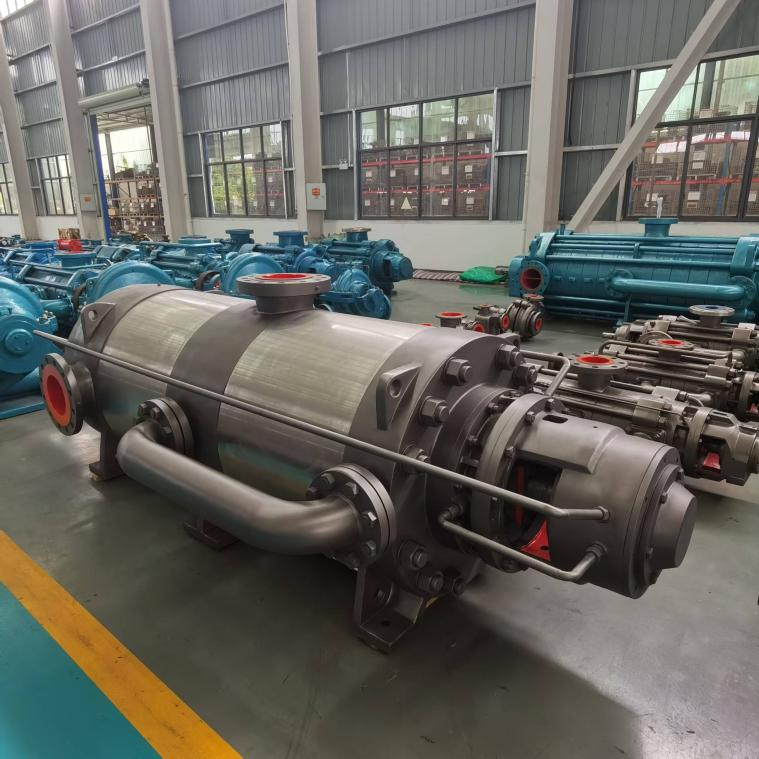
How Climate Change is Transforming Submersible Slurry Pump Design
Table of Contents
- Understanding Submersible Slurry Pumps
- The Impact of Climate Change on Water Management
- Key Design Criteria for Submersible Slurry Pumps
- Innovative Materials for Enhanced Durability
- Energy Efficiency in Pump Designs
- Technological Innovations in Slurry Pump Design
- Real-World Applications of Advanced Slurry Pumps
- Future Trends in Submersible Slurry Pump Engineering
- FAQs
Understanding Submersible Slurry Pumps
What are Submersible Slurry Pumps?
Submersible slurry pumps are vital components in various industries, particularly in construction, mining, and wastewater management. These pumps are designed to operate underwater, efficiently pumping thick mixtures of liquid and solid materials—referred to as slurries. Unlike traditional pumps, submersible pumps are submerged in the fluid they are pumping, which minimizes the risk of cavitation and enhances efficiency.
The Role of Slurry Pumps in Industrial Applications
The versatility of submersible slurry pumps allows them to handle a wide range of applications. From dewatering construction sites to transporting wastewater, these pumps are essential for maintaining operational efficiency and environmental compliance. Their robust design enables them to manage abrasive materials, making them invaluable in mining and resource extraction.
The Impact of Climate Change on Water Management
Changing Precipitation Patterns
Climate change has significantly altered precipitation patterns around the globe, leading to more intense rainfalls and prolonged droughts. This shift necessitates the reevaluation of water management systems, including the use of submersible slurry pumps. Increased rainfall can overwhelm existing water infrastructure, while droughts can lead to reduced water availability, complicating slurry management processes.
Extreme Weather Events and Their Consequences
The frequency of extreme weather events, such as hurricanes and floods, has risen due to climate change. These events can disrupt operations and lead to significant water accumulation in unexpected areas. The need for reliable and resilient submersible slurry pumps has never been greater, as industries strive to mitigate the impacts of these environmental challenges.
Key Design Criteria for Submersible Slurry Pumps
Hydraulic Performance Considerations
Effective hydraulic performance is crucial for submersible slurry pumps. The design must ensure optimal flow rates and pressure capabilities to manage viscous slurries. Engineers focus on optimizing impeller design, pump curves, and efficiency ratings to meet the demands of variable slurry compositions.
Corrosion and Abrasion Resistance
Given that slurry pumps often encounter abrasive materials, materials selection is critical. High-quality alloys and coatings that resist wear and corrosion extend the lifespan of these pumps. Innovations in material science enable manufacturers to offer pumps that withstand harsh environments while maintaining performance.
Innovative Materials for Enhanced Durability
Advanced Alloys and Composites
The development of advanced alloys and composite materials has revolutionized slurry pump design. These materials offer superior strength-to-weight ratios, enhancing the durability and efficiency of pumps. By integrating lightweight materials, manufacturers can create pumps that are not only robust but also easier to handle and install.
Rubber Linings for Increased Lifespan
Incorporating rubber linings in pump designs has proven effective in increasing wear resistance. These linings absorb shock and minimize erosion, prolonging the life of critical components in submersible slurry pumps. This innovation is crucial for applications involving highly abrasive materials.
Energy Efficiency in Pump Designs
Importance of Energy-Efficient Pumps
Energy consumption is a significant concern in the operation of submersible slurry pumps. With rising energy costs and a focus on sustainability, energy-efficient designs are gaining prominence. Such pumps not only reduce operational costs but also lower the environmental impact associated with energy use.
Utilizing Variable Frequency Drives (VFDs)
Integrating VFD technology allows for precise control of pump operation. This versatility enables pumps to adapt to varying flow conditions, optimizing energy consumption. By adjusting motor speed based on real-time demand, VFDs can significantly enhance the efficiency of submersible slurry pumps.
Technological Innovations in Slurry Pump Design
Smart Pump Technology
The advent of smart technology in slurry pump design has transformed operational capabilities. Sensors and IoT integration facilitate real-time monitoring of pump performance, enabling predictive maintenance and immediate response to potential issues. This technology improves reliability and reduces downtime, enhancing overall operational efficiency.
Remote Monitoring and Control Systems
Remote monitoring systems allow operators to track pump status and performance from afar. These systems provide valuable data on operational metrics, helping to optimize efficiency and identify maintenance needs before they become critical. This innovation is particularly beneficial in remote or hazardous locations where manual oversight is challenging.
Real-World Applications of Advanced Slurry Pumps
Mining Industry Applications
In mining, submersible slurry pumps are essential for transporting slurries containing gravel, sand, and other materials. Their ability to handle a mix of solids and liquids makes them ideal for dewatering mining operations, thereby enhancing productivity and safety.
Wastewater Management Solutions
Wastewater treatment plants rely heavily on submersible slurry pumps for effective sludge management. By efficiently transporting sludge, these pumps play a crucial role in ensuring compliance with environmental regulations and promoting sustainable water management practices.
Future Trends in Submersible Slurry Pump Engineering
Integration of AI in Pump Design
Artificial intelligence is set to revolutionize submersible slurry pump design. AI can analyze vast amounts of operational data to enhance pump efficiency, predict maintenance needs, and optimize design parameters. This integration promises to further extend the lifespan and reliability of slurry pumps.
Emphasis on Sustainability and Eco-Friendly Practices
As industries increasingly prioritize sustainability, the demand for eco-friendly pump designs will grow. Future designs will likely focus on minimizing energy consumption, using recyclable materials, and adhering to stringent environmental regulations.
FAQs
1. What is a submersible slurry pump?
A submersible slurry pump is a type of pump designed to operate underwater, effectively transporting a mixture of liquid and solid materials.
2. How does climate change affect slurry pump operations?
Climate change leads to altered precipitation patterns and extreme weather events, necessitating more robust and reliable slurry pump designs to manage varying water volumes.
3. What materials are commonly used in slurry pump construction?
Slurry pumps are typically constructed from high-quality alloys and rubber linings to ensure durability and resistance to wear and corrosion.
4. How can energy efficiency be improved in slurry pumps?
Implementing variable frequency drives (VFDs) and optimizing pump designs can significantly enhance energy efficiency in slurry pump operation.
5. What role does technology play in modern slurry pump design?
Technological innovations, including smart pump technology and remote monitoring systems, improve operational reliability, efficiency, and maintenance practices in slurry pump design.
Conclusion
The intersection of climate change and submersible slurry pump design underscores the importance of innovation and adaptability in industrial applications. As environmental conditions continue to shift, engineers and manufacturers must prioritize the development of pumps that not only meet current demands but also anticipate future challenges. By focusing on advanced materials, energy efficiency, and cutting-edge technology, the industry can ensure that submersible slurry pumps remain integral to sustainable water management and industrial practices in an ever-changing world.
Contact Us
E-mail :
liu@cnpumpmade.com
WhatsApp:
+8615028256698
Address:
Nanyang Industrial Park, Shifo Town, Anguo City, Hebei Province, China


Leave Your Message