To provide high-quality Water pump products for global customers.


Unlocking Efficiency: The Comprehensive Guide to Multistage Pumps
Jun 01,2026
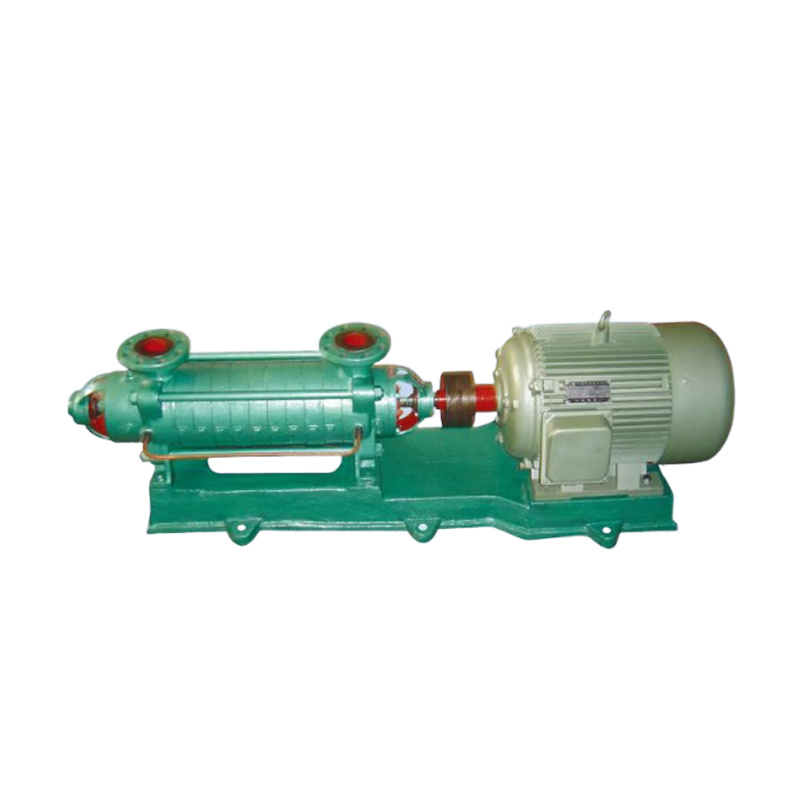
Multistage pumps are an essential component in various industrial applications, primarily due to their ability to generate high pressure and cater to demanding fluid transfer needs. Unlike single-stage pumps, multistage pumps utilize multiple impellers or stages to increase the pressure of the fluid being transported, making them particularly suitable for applications requiring significant elevation or long-distance pumping.
One of the key advantages of multistage pumps is their versatility. These pumps can handle a wide range of fluids, from clean water to more viscous or chemically aggressive liquids, making them a popular choice in sectors such as water treatment, oil and gas, and chemical processing. Their capacity to deliver high pressure in a compact design allows for efficient operation in constrained spaces, maximizing the utility of industrial setups.
When considering the use of a multistage pump, it’s important to evaluate the specific requirements of your application. Factors such as flow rate, total dynamic head (TDH), and the physical and chemical properties of the fluid can significantly influence the choice of pump. Proper selection and sizing are crucial to ensure optimal performance and longevity of the pump, minimizing downtime and maintenance costs.
Another critical consideration is the pump's operating efficiency. Properly designed multistage pumps can achieve high-efficiency levels, which not only save energy but also reduce operational costs. When selecting a multistage pump, look for models that offer high efficiency across the intended operating range, as this will lead to substantial energy savings over the pump's lifespan.
Maintenance is also a pivotal aspect of multistage pump operation. Regular inspection and servicing can prevent common issues such as cavitation, wear and tear of impellers, and seal failures. Establishing a routine maintenance schedule and ensuring that your personnel are trained in pump care can greatly extend the life of the equipment and enhance its reliability.
In summary, multistage pumps are a vital part of many industrial processes due to their ability to efficiently handle high-pressure applications. Their versatility, efficiency, and compact design make them an attractive option for a variety of sectors. By understanding the operational parameters and maintenance requirements, industries can leverage the full potential of multistage pumps, driving operational efficiency and reducing costs in their fluid transfer operations.
One of the key advantages of multistage pumps is their versatility. These pumps can handle a wide range of fluids, from clean water to more viscous or chemically aggressive liquids, making them a popular choice in sectors such as water treatment, oil and gas, and chemical processing. Their capacity to deliver high pressure in a compact design allows for efficient operation in constrained spaces, maximizing the utility of industrial setups.
When considering the use of a multistage pump, it’s important to evaluate the specific requirements of your application. Factors such as flow rate, total dynamic head (TDH), and the physical and chemical properties of the fluid can significantly influence the choice of pump. Proper selection and sizing are crucial to ensure optimal performance and longevity of the pump, minimizing downtime and maintenance costs.
Another critical consideration is the pump's operating efficiency. Properly designed multistage pumps can achieve high-efficiency levels, which not only save energy but also reduce operational costs. When selecting a multistage pump, look for models that offer high efficiency across the intended operating range, as this will lead to substantial energy savings over the pump's lifespan.
Maintenance is also a pivotal aspect of multistage pump operation. Regular inspection and servicing can prevent common issues such as cavitation, wear and tear of impellers, and seal failures. Establishing a routine maintenance schedule and ensuring that your personnel are trained in pump care can greatly extend the life of the equipment and enhance its reliability.
In summary, multistage pumps are a vital part of many industrial processes due to their ability to efficiently handle high-pressure applications. Their versatility, efficiency, and compact design make them an attractive option for a variety of sectors. By understanding the operational parameters and maintenance requirements, industries can leverage the full potential of multistage pumps, driving operational efficiency and reducing costs in their fluid transfer operations.
Contact Us
E-mail :
liu@cnpumpmade.com
WhatsApp:
+8615028256698
Address:
Nanyang Industrial Park, Shifo Town, Anguo City, Hebei Province, China


Leave Your Message