To provide high-quality Water pump products for global customers.


The Economic Impact of Investing in High-Quality Gravel Pumps: Maximizing Efficiency and Profitability
Mar 03,2026
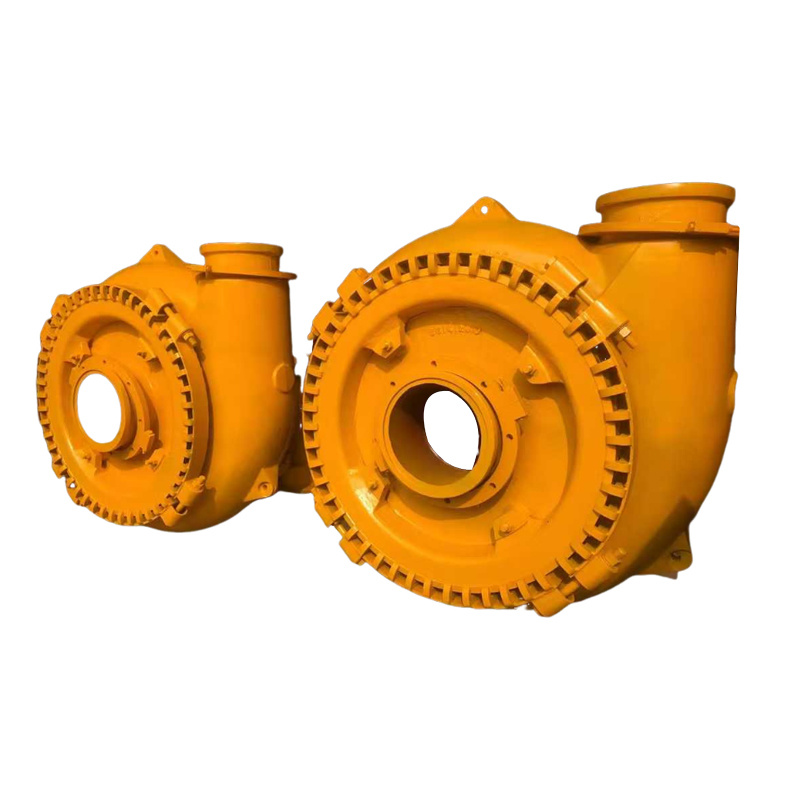
The Economic Impact of Investing in High-Quality Gravel Pumps
Investing in high-quality gravel pumps is a decision that can profoundly influence operational efficiency and overall profitability in various industries. As businesses strive to enhance productivity while managing costs, understanding the **economic impact** of gravel pumps becomes increasingly critical. This article explores the many facets of gravel pumps, their applications, and the significant benefits of choosing quality equipment for your operations.
Table of Contents
- 1. Understanding Gravel Pumps
- 2. Importance of High-Quality Gravel Pumps
- 3. Economic Benefits of Investing in High-Quality Gravel Pumps
- 3.1 Increased Efficiency and Productivity
- 3.2 Reduced Maintenance Costs
- 3.3 Enhanced Longevity and Durability
- 4. Applications of Gravel Pumps in Various Industries
- 5. How to Invest in Quality Gravel Pumps
- 6. Future Trends in Gravel Pump Technology
- 7. Common FAQs about Gravel Pumps
- 8. Conclusion
1. Understanding Gravel Pumps
**Gravel pumps** are specialized equipment designed to handle and transport gravel, sand, and slurry materials, often in construction, mining, and dredging applications. These pumps are capable of managing high volumes of abrasive materials, making them essential in environments where efficiency is paramount. Their unique construction typically includes a robust impeller and housing designed to withstand wear and tear from coarse materials, ensuring reliable performance over extended periods.
2. Importance of High-Quality Gravel Pumps
Choosing high-quality gravel pumps over lower-priced alternatives is crucial for several reasons. Quality equipment not only enhances performance but also reduces the risks associated with equipment failure. High-quality pumps are engineered for durability, ensuring they can withstand harsh operating conditions and deliver consistent results. Investing in quality also translates into better warranties and support from manufacturers, providing peace of mind and long-term value.
3. Economic Benefits of Investing in High-Quality Gravel Pumps
When businesses invest in high-quality gravel pumps, they unlock a multitude of economic benefits that can significantly impact their bottom line.
3.1 Increased Efficiency and Productivity
High-quality gravel pumps are designed for optimal performance, enabling faster and more efficient material transport. This increased efficiency leads to higher productivity levels, allowing companies to complete projects more quickly and effectively. The ability to move larger quantities of material in a shorter time translates directly into cost savings, enhancing overall business profitability.
3.2 Reduced Maintenance Costs
One of the most significant economic advantages of investing in high-quality gravel pumps is the reduction in maintenance costs. Quality pumps are less prone to breakdowns and require less frequent repairs, which can drain resources and time. While the initial investment may be higher, the long-term savings from reduced maintenance and downtime often outweigh the upfront costs, ultimately leading to a stronger return on investment.
3.3 Enhanced Longevity and Durability
High-quality gravel pumps are built to last, designed with materials that resist wear and tear from abrasive substances. This durability not only extends the lifespan of the equipment but also diminishes the need for replacements, contributing to long-term financial savings. Companies that prioritize the purchase of reliable pumps can enjoy years of uninterrupted service, maximizing their investment.
4. Applications of Gravel Pumps in Various Industries
Gravel pumps find applications in a wide range of industries, showcasing their versatility and importance in various processes.
**Construction and Civil Engineering:** In construction, gravel pumps are commonly used for transporting aggregates, making them vital for concrete production and road building.
**Mining:** In mining operations, these pumps are essential for moving slurry and gravel, enabling the extraction of valuable minerals while maintaining efficiency.
**Dredging:** In dredging applications, gravel pumps facilitate the removal of sediment and debris from waterways, ensuring navigable channels and maintaining environmental integrity.
**Agriculture:** Farmers utilize gravel pumps for irrigation and drainage systems, enhancing land productivity.
5. How to Invest in Quality Gravel Pumps
Investing in high-quality gravel pumps requires careful consideration and evaluation to ensure you make the right choice for your business.
5.1 Evaluating Manufacturers and Suppliers
Before making a purchase, it’s essential to research and evaluate different manufacturers and suppliers. Look for companies with a proven track record in producing reliable gravel pumps. Customer reviews and testimonials can provide insight into the quality and performance of their products.
5.2 Cost vs. Value: Making the Right Choice
When considering gravel pumps, it’s crucial to distinguish between cost and value. While lower-priced options may seem appealing, they often come with hidden costs in terms of maintenance, inefficiency, and durability. Investing in high-quality pumps, although potentially more expensive upfront, offers superior value through enhanced performance and reduced operational costs.
6. Future Trends in Gravel Pump Technology
As technology evolves, so do gravel pumps. Future trends include advancements in **energy efficiency**, **smart technology integration**, and enhanced materials that provide even greater durability. Embracing these innovations will not only improve operational efficiency but also contribute to sustainability efforts, ultimately benefiting both businesses and the environment.
7. Common FAQs about Gravel Pumps
**Q1: What is a gravel pump?**
A gravel pump is a type of pump designed to transport gravel, sand, and slurries, typically used in construction, mining, and dredging applications.
**Q2: How do I choose the right gravel pump?**
When selecting a gravel pump, consider factors such as the type of materials to be transported, pump capacity, efficiency, and the manufacturer's reputation.
**Q3: Why should I invest in high-quality gravel pumps?**
High-quality gravel pumps offer greater durability, efficiency, and lower maintenance costs, ultimately leading to better financial returns.
**Q4: What are the signs of a failing gravel pump?**
Signs of a failing pump include unusual noises, decreased performance, frequent breakdowns, and visible wear or damage.
**Q5: How often should gravel pumps be maintained?**
Regular maintenance is essential for optimal performance. Follow the manufacturer's recommendations, typically involving inspections every few months, depending on usage.
8. Conclusion
Investing in high-quality gravel pumps is not merely an operational choice; it's a strategic financial decision that can lead to substantial economic benefits. From increased efficiency and productivity to reduced maintenance costs and enhanced durability, the advantages are clear. As industries continue to evolve, understanding the value of quality equipment will remain essential for businesses aiming to thrive in a competitive landscape. By prioritizing high-quality gravel pumps, companies position themselves for long-term success and profitability.
Contact Us
E-mail :
liu@cnpumpmade.com
WhatsApp:
+8615028256698
Address:
Nanyang Industrial Park, Shifo Town, Anguo City, Hebei Province, China


Leave Your Message