To provide high-quality Water pump products for global customers.


How to Choose the Right Size Mobile Pump Truck for Your Project
Sep 30,2026
How to Choose the Right Size Mobile Pump Truck for Your Project
Table of Contents
- 1. Understanding Mobile Pump Trucks
- 2. Importance of Size Selection
- 3. Factors Affecting Pump Truck Size
- 3.1 Flow Rate Requirements
- 3.2 Total Head Calculation
- 3.3 Liquid Properties
- 3.4 Site Conditions
- 3.5 Pump System Design
- 4. How to Calculate the Right Size
- 5. Common Mistakes to Avoid
- 6. Consulting with Experts
- 7. Maintenance Considerations
- 8. Frequently Asked Questions
1. Understanding Mobile Pump Trucks
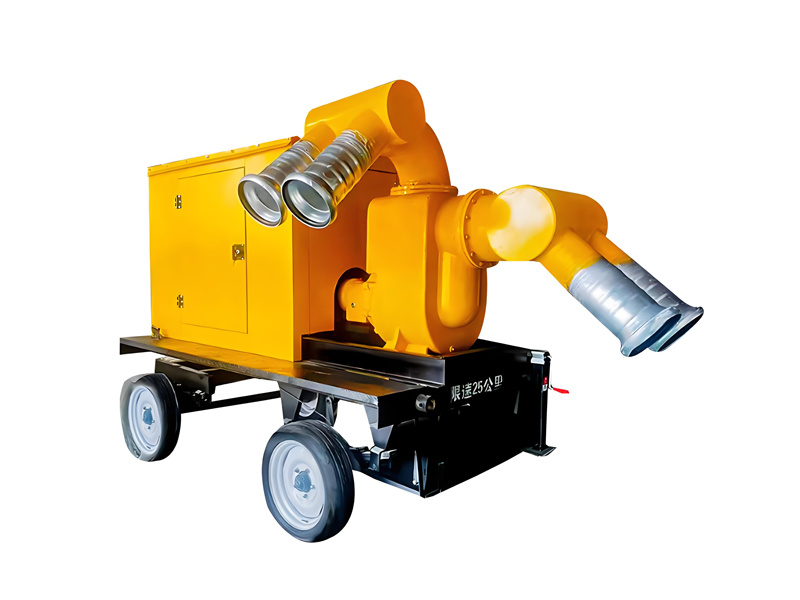
Mobile pump trucks are versatile pieces of equipment designed to transport and pump liquids in various applications, such as construction, mining, and municipal projects. These trucks come equipped with powerful pumps that can handle a range of liquids, including water, wastewater, and even slurries. Understanding their capabilities and limitations is crucial for selecting the right size for your project.
2. Importance of Size Selection
Choosing the correct size for a mobile pump truck is vital. An improperly sized pump can lead to inefficiencies, increased costs, and potential project delays. A pump that is too small may struggle to deliver the required flow rates, while one that is too large can lead to excessive energy consumption and unnecessary wear on the equipment. Therefore, an informed choice is essential for optimizing the performance of your pumping operations.
3. Factors Affecting Pump Truck Size
Several factors come into play when determining the appropriate size of a mobile pump truck. Here are the key considerations:
3.1 Flow Rate Requirements
The flow rate, measured in gallons per minute (GPM) or liters per second (L/s), is one of the most critical factors in pump selection. To determine the required flow rate, consider the volume of liquid to be pumped and the time available for pumping. It's essential to assess the specific needs of your project to establish an accurate flow rate requirement.
3.2 Total Head Calculation
Total head refers to the total height that the pump needs to lift the liquid. It includes factors such as static head (the vertical distance the fluid needs to be lifted), dynamic head (friction loss in pipes and fittings), and any elevation changes within the system. Calculating the total head is essential for ensuring that the pump can deliver the required flow against gravity and friction losses.
3.3 Liquid Properties
The properties of the liquid being pumped can significantly influence the choice of pump truck size. Factors such as viscosity, density, and temperature affect how easily a liquid can be moved. For instance, thicker liquids require more power to pump, which may necessitate a larger pump truck.
3.4 Site Conditions
The environment where the pump truck will operate can also impact the size selection. Considerations such as terrain, accessibility, and space constraints can dictate the type and size of mobile pump truck you will need. For example, if the site has limited access, a more compact truck may be necessary.
3.5 Pump System Design
The overall design of your pumping system plays a crucial role in determining the appropriate pump truck size. This includes the layout of pipes, fittings, valves, and other components. An efficient system design minimizes losses and ensures the pump can operate within its optimal range.
4. How to Calculate the Right Size
To accurately calculate the right size mobile pump truck for your project, follow these steps:
1. **Determine Flow Rate**: Assess how much liquid you need to pump and in what time frame. This information will guide your flow rate requirements.
2. **Calculate Total Head**: Add up the static head and dynamic head to find the total head needed for your pump.
3. **Consider Liquid Properties**: Identify the characteristics of the liquid to be pumped, including viscosity and density.
4. **Evaluate Site Conditions**: Analyze the site’s accessibility and terrain to ensure that the selected pump truck can operate effectively.
5. **Design the Pump System**: Create a detailed design of the complete pump system to identify any additional requirements that may affect the pump size.
Using these calculations and assessments will help you arrive at the correct pump truck size for your project.
5. Common Mistakes to Avoid
When selecting the size of your mobile pump truck, it is crucial to avoid common pitfalls that could lead to inefficiency. Here are some mistakes to watch out for:
- **Underestimating Flow Rate**: Failing to accurately assess the required flow rate can lead to selecting a pump that is too small for the job.
- **Ignoring Total Head**: Not calculating the total head correctly can result in a pump that cannot meet the demands of the project.
- **Overlooking Liquid Properties**: Neglecting the properties of the liquid can lead to selecting a pump that underperforms or fails prematurely.
- **Disregarding Site Conditions**: Not considering site access and environmental factors can result in choosing a pump truck that is impractical for the job.
By avoiding these mistakes, you can ensure that your pump selection process is thorough and well-informed.
6. Consulting with Experts
If you find yourself uncertain about the specific requirements for your project, consulting with experts can provide valuable insights. **Industry professionals**—such as engineers or pump specialists—can offer guidance based on their experience and knowledge. They can help you navigate the complexities of pump selection, ensuring that you choose the right size mobile pump truck for your needs.
7. Maintenance Considerations
Once you’ve selected the right size mobile pump truck, establishing a maintenance plan is essential to ensure its longevity and performance. Regular maintenance checks can help identify potential issues before they escalate into costly repairs. Some key maintenance tips include:
- **Routine Inspections**: Regularly check for leaks, wear, and tear on components.
- **Fluid Levels**: Ensure that fluid levels are maintained to prevent overheating and damage.
- **Cleaning Filters**: Regularly clean or replace filters to maintain optimal flow and performance.
- **Lubrication**: Keep all moving parts adequately lubricated to reduce friction and wear.
Implementing a proactive maintenance strategy will enhance the lifespan and efficiency of your mobile pump truck.
8. Frequently Asked Questions
What is the typical flow rate for a mobile pump truck?
The flow rate for mobile pump trucks varies widely based on their size and the type of pump installed. Generally, flow rates can range from 100 GPM to over 5,000 GPM for larger industrial applications.
How do I know if my pump truck is the right size?
To determine if your pump truck is the right size, assess whether it meets the flow rate and total head requirements of your project. If it can efficiently move the required liquid volume within the needed time frame, it is likely the correct size.
Can I use a larger pump truck than necessary?
While using a larger pump truck can provide additional capacity, it may lead to increased operational costs, excessive wear, and inefficiencies. It's best to choose a pump truck that matches your specific project requirements.
What maintenance is required for mobile pump trucks?
Maintenance for mobile pump trucks typically includes routine inspections, fluid level checks, cleaning or replacing filters, and lubricating moving parts. Regular maintenance is crucial for optimal performance and longevity.
Should I consult with a pump expert before making a decision?
Absolutely. Consulting with a pump expert can provide essential insights and help you make an informed decision based on your specific project needs, ultimately leading to better efficiency and effectiveness.
Conclusion
Selecting the right size mobile pump truck for your project is a critical decision that can significantly impact the success of your operations. By understanding the various factors that influence pump sizing—including flow rate requirements, total head calculations, and site conditions—you can make an informed choice that meets your needs. Avoid common mistakes, consult with experts, and establish a solid maintenance plan to ensure optimal performance. With this comprehensive guide, you are now equipped to make the best decision for your mobile pumping needs.
Contact Us
E-mail :
liu@cnpumpmade.com
WhatsApp:
+8615028256698
Address:
Nanyang Industrial Park, Shifo Town, Anguo City, Hebei Province, China


Leave Your Message