To provide high-quality Water pump products for global customers.


Mobile Pump Trucks: Essential Tools for Oil and Gas Industries
Sep 20,2026
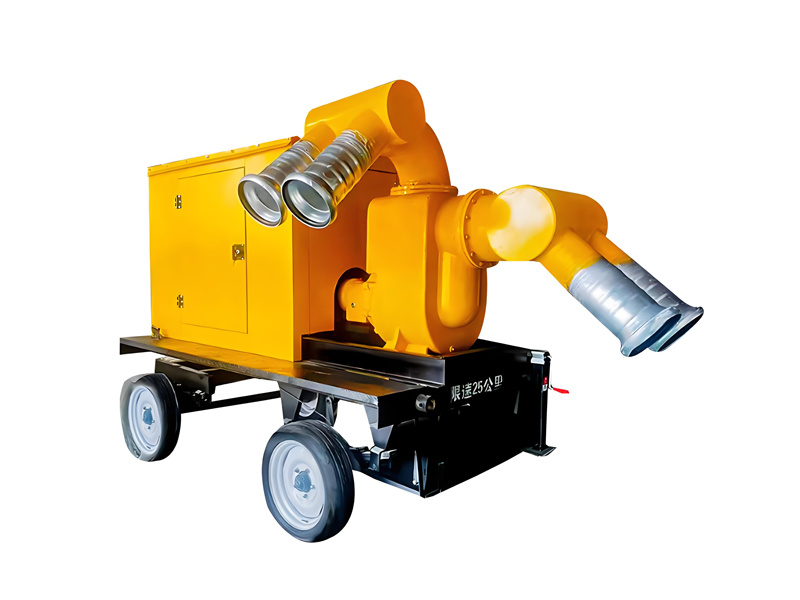
Mobile Pump Trucks: Essential Tools for Oil and Gas Industries
Introduction to Mobile Pump Trucks in the Oil and Gas Sector
In the ever-evolving landscape of the oil and gas industry, **mobile pump trucks** have emerged as crucial assets. These versatile machines are designed to transport and manage liquids, particularly during drilling, production, and transportation processes. Their ability to move quickly to remote locations and adapt to various tasks makes them indispensable in operations where fluid management is vital.
Understanding the Functionality of Mobile Pump Trucks
What Are Mobile Pump Trucks?
Mobile pump trucks are specialized vehicles equipped with powerful pumps and storage tanks. They are engineered to handle a variety of fluids, including water, crude oil, and chemicals, essential for different stages of oil and gas operations. These trucks can be towed or driven to specific sites, where they can efficiently manage the transfer, storage, and disposal of fluids.
Key Components of Mobile Pump Trucks
To appreciate the functionality of mobile pump trucks, it's important to understand their key components:
- **Pump Systems**: These are the heart of the mobile pump truck. They can vary in size and capacity, with centrifugal and positive displacement pumps being the most common for oil and gas applications. The right pump system is crucial for the specific fluid being handled.
- **Storage Tanks**: Most mobile pump trucks come with built-in storage tanks that allow for the temporary holding of fluids. These tanks are often insulated and designed to prevent contamination.
- **Control Systems**: Advanced mobile pump trucks feature control systems that allow operators to monitor flow rates, pressures, and other critical parameters, ensuring safe and efficient operations.
- **Safety Features**: Given the hazardous nature of fluids in the oil and gas industry, mobile pump trucks are equipped with safety mechanisms such as emergency shut-off valves, spill containment features, and robust braking systems.
The Importance of Mobile Pump Trucks in Oil and Gas Operations
Enhancing Operational Efficiency
Time is a crucial factor in the oil and gas industry, where delays can lead to significant financial losses. Mobile pump trucks enhance operational efficiency by:
- **Reducing Downtime**: Their mobility allows for rapid deployment to various sites, minimizing downtime during drilling and production operations.
- **Streamlining Fluid Management**: By handling all fluid-related tasks—from transporting water for hydraulic fracturing to transferring crude oil—mobile pump trucks simplify processes and reduce the number of vehicles needed on-site.
- **Adapting to Site Conditions**: Mobile pump trucks can be utilized in a variety of terrains and weather conditions, ensuring that operations continue smoothly even in challenging environments.
Ensuring Safety in Hazardous Environments
Safety is paramount in the oil and gas industry. Mobile pump trucks contribute to a safer working environment by:
- **Minimizing Spills and Contamination**: With their specialized design and safety features, mobile pump trucks are less likely to leak or spill fluids, helping to protect the environment and ensure regulatory compliance.
- **Providing Emergency Response Solutions**: In case of spills or leaks, these trucks can quickly transport fluids to containment areas or treatment facilities, facilitating rapid emergency response.
Types of Mobile Pump Trucks Used in the Oil and Gas Industry
Vacuum Trucks
Vacuum trucks are specifically designed for the extraction of liquids and sludge from various sites. These trucks create a vacuum that pulls fluids from storage tanks or pits, allowing for effective waste management. They are particularly useful during environmental clean-up operations.
Hydraulic Fracturing Pump Trucks
Used in the hydraulic fracturing process, these pump trucks are engineered to handle high-pressure fluids. They play a crucial role in injecting water, sand, and chemicals into underground formations, enhancing oil and gas recovery.
Water Transfer Trucks
Water transfer trucks are essential for transporting water to drilling sites. They ensure a continuous supply of water for drilling operations, hydraulic fracturing, and other processes while adhering to water management regulations.
Factors to Consider When Choosing Mobile Pump Trucks
Capacity and Performance
When selecting a mobile pump truck, it's essential to consider its capacity to handle specific fluid types and volumes. Moreover, performance metrics such as flow rates and pressure capabilities should align with operational needs.
Customization Options
Different operations may require specialized features. Some mobile pump trucks offer customization options, such as tank sizes, pump types, and additional safety features, allowing companies to tailor solutions to their unique requirements.
Regulatory Compliance
Ensuring that the pump trucks meet industry regulations and safety standards is imperative. Compliance with local and federal guidelines helps avoid penalties and ensures a safer working environment.
The Future of Mobile Pump Trucks in the Oil and Gas Industry
Technological Advancements
As technology continues to evolve, mobile pump trucks are becoming increasingly sophisticated. Features such as remote monitoring, automated controls, and enhanced safety protocols are becoming standard. These advancements promise to further improve efficiency and safety in operations.
Environmental Sustainability
The oil and gas industry is under constant scrutiny regarding its environmental impact. Future mobile pump trucks will likely incorporate more environmentally friendly technologies and practices, such as reducing emissions or utilizing alternative fuels.
Mobile Pump Truck Maintenance: Ensuring Longevity and Efficiency
Routine Inspections
Regular inspections of mobile pump trucks are crucial for maintaining performance and safety. Operators should check for leaks, assess pump functionality, and inspect tanks for signs of wear and corrosion.
Preventive Maintenance Practices
Implementing a preventive maintenance schedule helps address potential issues before they become significant problems. Routine maintenance tasks should include changing fluids, replacing filters, and servicing pump components.
Conclusion
In summary, **mobile pump trucks** are essential tools in the oil and gas industry, providing critical support for fluid management across various operations. Their ability to enhance operational efficiency and ensure safety in challenging environments makes them invaluable assets. As technology continues to advance, the future of mobile pump trucks promises even greater efficiency and sustainability, further solidifying their role within the industry.
FAQs
1. What types of fluids can mobile pump trucks handle?
Mobile pump trucks can handle a wide range of fluids, including water, crude oil, chemicals, and wastewater.
2. How do mobile pump trucks enhance safety in operations?
They are equipped with safety features designed to prevent leaks and spills, and they can respond quickly to emergencies, ensuring a safer work environment.
3. What are the benefits of using vacuum trucks in oil and gas operations?
Vacuum trucks effectively remove liquids and sludge, helping with waste management and environmental clean-ups.
4. How often should mobile pump trucks be maintained?
Routine inspections and preventive maintenance should be conducted regularly to ensure optimal performance and safety.
5. What advancements are expected in mobile pump truck technology?
Future advancements may include remote monitoring capabilities, automated controls, and environmentally friendly technologies to reduce emissions and enhance efficiency.
Contact Us
E-mail :
liu@cnpumpmade.com
WhatsApp:
+8615028256698
Address:
Nanyang Industrial Park, Shifo Town, Anguo City, Hebei Province, China


Leave Your Message