To provide high-quality Water pump products for global customers.


How Multistage Pumps Enhance Process Optimization in Industrial Factories
Sep 12,2026
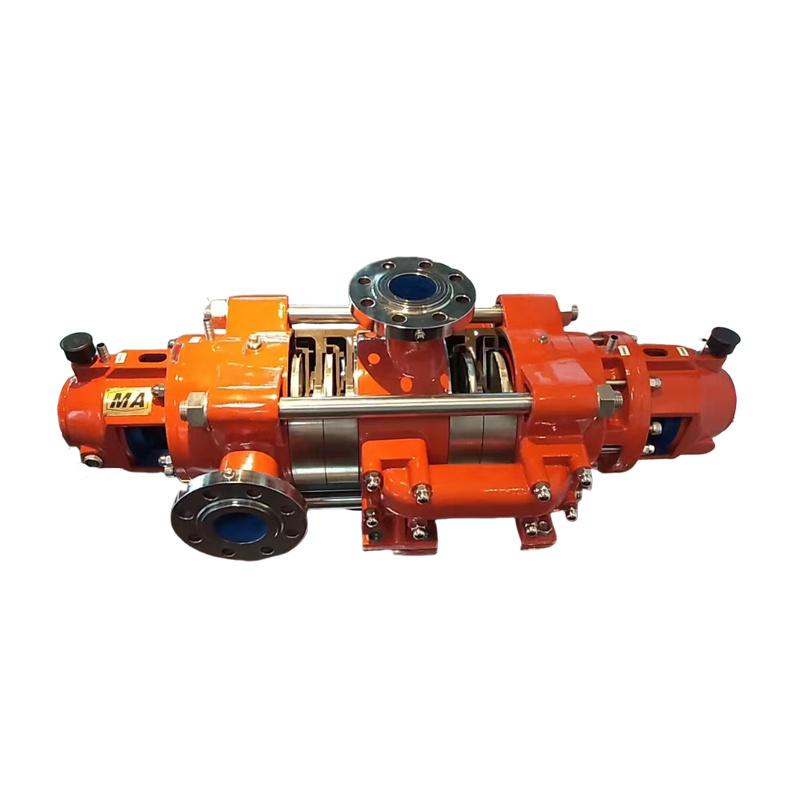
How Multistage Pumps Enhance Process Optimization in Industrial Factories
Table of Contents
1. Introduction to Multistage Pumps
2. Understanding Process Optimization in Factories
3. The Mechanics of Multistage Pumps
3.1 Design Features of Multistage Pumps
3.2 How Multistage Pumps Operate
4. Applications of Multistage Pumps in Industrial Settings
5. Benefits of Using Multistage Pumps for Process Optimization
5.1 Increased Efficiency and Productivity
5.2 Energy Savings
5.3 Enhanced Reliability and Durability
6. Case Studies: Success Stories of Multistage Pump Implementation
7. Selecting the Right Multistage Pump for Your Factory
8. Frequently Asked Questions (FAQs)
9. Conclusion
1. Introduction to Multistage Pumps
In the realm of industrial equipment, **multistage pumps** have emerged as critical components for enhancing operational efficiency. Designed to handle varying flow rates and pressures, these pumps consist of multiple impellers that work in tandem to boost fluid movement. Whether in chemical processing, water treatment, or manufacturing, understanding how multistage pumps integrate into factory processes can significantly impact overall productivity.
2. Understanding Process Optimization in Factories
Process optimization refers to the continuous improvement of factory operations to enhance productivity, reduce waste, and increase efficiency. This holistic approach involves analyzing workflows, reducing downtime, and implementing advanced technologies, such as multistage pumps, that can adapt to different operational requirements. By optimizing processes, factories can achieve higher output levels while minimizing resource consumption.
3. The Mechanics of Multistage Pumps
Multistage pumps operate by utilizing multiple impellers, which allows them to generate higher pressures than single-stage pumps. This unique design makes them suitable for various applications requiring significant pressure head.
3.1 Design Features of Multistage Pumps
The design of multistage pumps includes several critical components:
- **Impellers**: Each impeller generates pressure, with the cumulative effect resulting in substantial head development.
- **Diffusers**: These components help convert kinetic energy into pressure energy, enhancing the efficiency of the pump.
- **Suction and Discharge Chambers**: Properly designed to minimize turbulence and ensure smooth fluid flow.
- **Sealing Mechanisms**: Essential for preventing leaks and protecting internal components.
3.2 How Multistage Pumps Operate
Multistage pumps draw liquid through a suction port, passing it through multiple impellers and diffusers. As the liquid flows through each stage, it gains energy and pressure. The final output is a high-pressure flow suitable for various applications, from irrigation to industrial processes.
4. Applications of Multistage Pumps in Industrial Settings
Multistage pumps are versatile and can be employed in various industrial applications, including:
- **Water Supply Systems**: Delivering high-pressure water for municipal and industrial use.
- **Chemical Processing**: Transporting corrosive or viscous fluids safely and efficiently.
- **Boiler Feed Systems**: Ensuring a reliable supply of water to maintain steam production.
- **Cooling Towers**: Circulating water for temperature regulation in large facilities.
5. Benefits of Using Multistage Pumps for Process Optimization
Implementing multistage pumps within factory processes offers numerous benefits.
5.1 Increased Efficiency and Productivity
Multistage pumps are designed to move fluids rapidly and effectively, ensuring that production processes remain uninterrupted. This efficiency helps factories meet increased demands without sacrificing quality.
5.2 Energy Savings
By optimizing fluid movement and reducing the need for additional equipment, multistage pumps can lead to significant **energy savings**. This not only lowers operational costs but also reduces the factory’s carbon footprint.
5.3 Enhanced Reliability and Durability
Constructed from robust materials, multistage pumps are built to withstand demanding conditions. Their reliability ensures consistent performance, minimizing downtime and maintenance costs.
6. Case Studies: Success Stories of Multistage Pump Implementation
Several factories have experienced transformative results by integrating multistage pumps into their processes. For example, a chemical manufacturing plant reduced its energy consumption by 30% after switching to multistage pumps for fluid transport. Similarly, a food processing facility improved its production capacity by 25% by implementing these pumps, demonstrating their effectiveness in various industrial applications.
7. Selecting the Right Multistage Pump for Your Factory
Choosing the appropriate multistage pump involves several considerations:
- **Fluid Characteristics**: Understanding the viscosity, temperature, and corrosiveness of the fluid is essential.
- **Pressure Requirements**: Assessing the required discharge pressure will help determine the number of stages needed.
- **Flow Rate**: Calculating the desired flow rate ensures the selected pump can meet operational demands.
- **Material Selection**: Choosing materials resistant to corrosion and wear can enhance pump longevity.
8. Frequently Asked Questions (FAQs)
**Q1: What are the primary advantages of multistage pumps compared to single-stage pumps?**
A1: Multistage pumps provide higher pressure capabilities, greater efficiency, and adaptability for various applications, making them ideal for complex industrial processes.
**Q2: How do I maintain a multistage pump?**
A2: Regular maintenance includes checking for leaks, monitoring performance, and ensuring the pump is free from debris. Routine inspections can prevent costly repairs.
**Q3: Can multistage pumps handle viscous fluids?**
A3: Yes, many multistage pumps can handle viscous fluids, but it is crucial to select a pump designed specifically for such applications.
**Q4: What is the lifespan of a multistage pump?**
A4: The lifespan can vary based on usage and maintenance but typically ranges from 10 to 20 years with proper care.
**Q5: Are multistage pumps suitable for high-temperature applications?**
A5: Yes, many multistage pumps are designed to operate in high-temperature environments, provided the materials are suitable for the conditions.
9. Conclusion
In summary, multistage pumps are essential tools that significantly enhance process optimization in industrial factories. Their ability to generate high pressure, coupled with their energy efficiency and reliability, makes them invaluable in a range of applications. By implementing multistage pumps, factories can not only improve their operational efficiency but also ensure long-term sustainability and cost-effectiveness. Investing in these advanced pumping solutions is a strategic decision that can lead to substantial gains in productivity and resource management.
Contact Us
E-mail :
liu@cnpumpmade.com
WhatsApp:
+8615028256698
Address:
Nanyang Industrial Park, Shifo Town, Anguo City, Hebei Province, China


Leave Your Message