To provide high-quality Water pump products for global customers.


Sealing the Deal: How Double Suction Pumps Improve Efficiency
Aug 05,2026
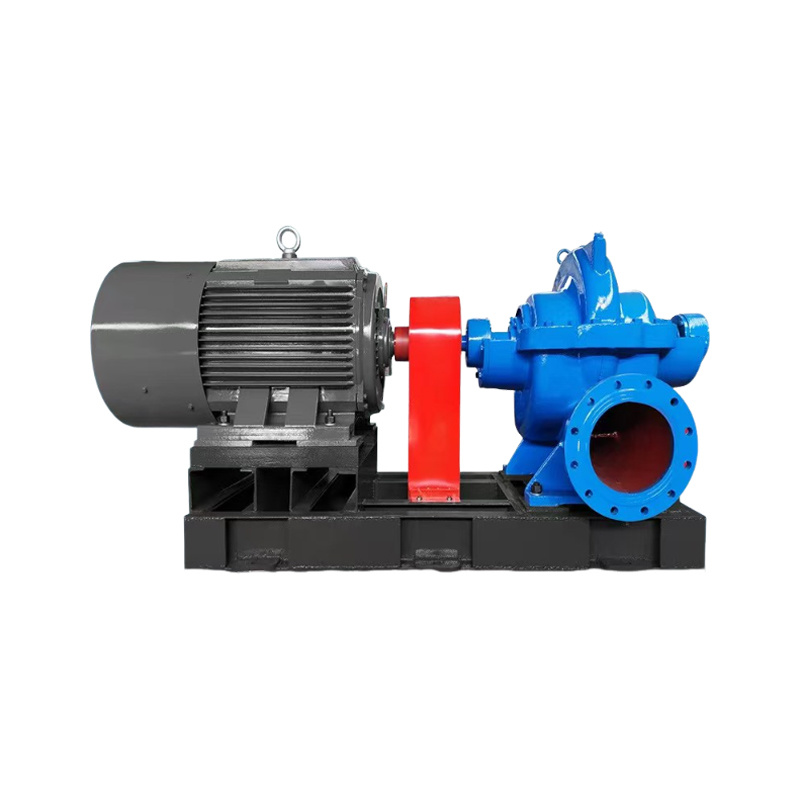
Sealing the Deal: How Double Suction Pumps Improve Efficiency
Table of Contents
1. Understanding Double Suction Pumps
2. The Design and Functionality of Double Suction Pumps
3. Advantages of Utilizing Double Suction Pumps
3.1 Increased Efficiency in Fluid Transport
3.2 Enhanced Performance and Reliability
4. Applications of Double Suction Pumps in Various Industries
4.1 Water and Wastewater Management
4.2 Oil and Gas Sector
4.3 Power Generation
5. Comparison with Single Suction Pumps
6. Maintenance Best Practices for Double Suction Pumps
7. Common Issues and Troubleshooting Tips
8. FAQs about Double Suction Pumps
9. Conclusion
1. Understanding Double Suction Pumps
Double suction pumps are a specialized type of centrifugal pump designed for high-capacity applications. They are engineered with two inlets that allow fluid to enter from both sides of the impeller, effectively doubling the flow rate compared to traditional single suction pumps. This design not only enhances the pump’s efficiency but also significantly reduces vibration and wear, leading to a longer operational lifespan.
2. The Design and Functionality of Double Suction Pumps
The construction of double suction pumps typically features a horizontally split casing that facilitates easy access for maintenance. The impeller, positioned centrally within the pump, draws fluid through both sides, creating a balanced hydraulic load. This unique design minimizes axial thrust, which is a common issue in single suction pumps that can lead to premature failure.
Double suction pumps are often made from robust materials such as cast iron or stainless steel to withstand harsh operating conditions. The engineering behind these pumps enables them to handle a wide range of fluids, including clean water, wastewater, and even viscous substances.
3. Advantages of Utilizing Double Suction Pumps
3.1 Increased Efficiency in Fluid Transport
One of the primary advantages of double suction pumps is their ability to move larger volumes of fluid with increased efficiency. The dual inlets allow for a higher flow rate while maintaining lower energy consumption. This efficiency becomes crucial in large-scale applications where operational costs and energy usage are significant concerns.
3.2 Enhanced Performance and Reliability
Double suction pumps are designed to operate continuously under high-demand conditions. Their balanced design minimizes wear and tear, enhancing reliability. This reliability is vital for industries where downtime can result in substantial financial losses.
Moreover, the reduced vibration levels extend the lifespan of both the pump and the connected systems, making double suction pumps a staple in industries that prioritize durability and performance.
4. Applications of Double Suction Pumps in Various Industries
Double suction pumps have diverse applications across multiple industries, showcasing their versatility.
4.1 Water and Wastewater Management
In the water and wastewater management sector, double suction pumps play an essential role in moving large quantities of water through treatment plants and distribution systems. Their efficiency significantly reduces operational costs associated with energy consumption.
4.2 Oil and Gas Sector
In the oil and gas industry, these pumps are used for transportation and processing of crude oil and other fluids. Their ability to handle viscous materials and maintain high flow rates under challenging conditions makes them indispensable in this sector.
4.3 Power Generation
Within power generation facilities, double suction pumps are crucial for cooling systems and boiler feed water applications. Their reliability and efficiency help maintain optimal operating conditions, ensuring consistent power generation and reducing the environmental impact.
5. Comparison with Single Suction Pumps
When comparing double suction pumps with single suction pumps, the differences in efficiency, maintenance, and overall lifespan become apparent. Single suction pumps tend to experience higher levels of vibration and axial thrust, which can lead to increased wear and the need for more frequent maintenance.
In contrast, double suction pumps operate more smoothly and can handle larger volumes of fluid, making them more suitable for high-capacity applications. While single suction pumps may be adequate for smaller operations, the advantages of double suction pumps become significant in large-scale industrial applications.
6. Maintenance Best Practices for Double Suction Pumps
Regular maintenance is essential for ensuring the longevity and efficiency of double suction pumps. Here are some best practices:
- **Routine Inspections:** Schedule periodic inspections to identify wear and potential issues before they escalate.
- **Lubrication:** Ensure that all moving parts are adequately lubricated to reduce friction and wear.
- **Monitoring Performance:** Keep track of flow rates and energy consumption to detect any deviations from normal operation.
- **Seal Checks:** Regularly check seals and gaskets for leaks, as these can lead to significant inefficiencies.
Implementing these maintenance practices can help optimize the performance of double suction pumps and extend their operational lifespan.
7. Common Issues and Troubleshooting Tips
Despite their robust design, double suction pumps can encounter issues. Here are some common problems and troubleshooting tips:
- **Cavitation:** This occurs when vapor bubbles form in the fluid due to low pressure. To resolve this, ensure that the pump is properly primed and that the inlet pressure is maintained.
- **Vibration:** Excessive vibration can indicate misalignment or wear. Regular alignment checks and part replacements can mitigate this issue.
- **Reduced Flow Rates:** If flow rates decrease, check for blockages in the inlet or impeller damage. Cleaning and replacing damaged components can restore normal operation.
Being proactive in addressing these issues can prevent costly downtime and maintain the efficiency of double suction pumps.
8. FAQs about Double Suction Pumps
**Q1: What are double suction pumps used for?**
A: Double suction pumps are primarily used in industrial applications for transporting large volumes of fluid efficiently, such as in water treatment, oil and gas, and power generation.
**Q2: How do double suction pumps differ from single suction pumps?**
A: Double suction pumps have two inlets for fluid entry, which reduces vibration and axial thrust, making them suitable for high-capacity applications compared to single suction pumps.
**Q3: What maintenance is required for double suction pumps?**
A: Regular inspections, lubrication, performance monitoring, and seal checks are essential to ensure the longevity and efficiency of double suction pumps.
**Q4: Can double suction pumps handle viscous fluids?**
A: Yes, double suction pumps are designed to handle a wide range of fluids, including viscous substances, making them versatile for various industrial applications.
**Q5: What are the common issues faced by double suction pumps?**
A: Common issues include cavitation, excessive vibration, and reduced flow rates. Regular maintenance and troubleshooting can help resolve these problems.
9. Conclusion
Double suction pumps represent a significant advancement in fluid handling technology, offering unparalleled efficiency and reliability in various industrial applications. Their unique design allows for greater flow rates while minimizing wear and maintenance needs, making them a valuable investment for any operation requiring high-capacity fluid transport.
By understanding their functionality, advantages, and maintenance requirements, industries can optimize their use of double suction pumps, leading to improved operational efficiency and reduced costs. As we continue to explore advancements in pump technology, double suction pumps will undoubtedly remain at the forefront of efficient industrial operations.
Contact Us
E-mail :
liu@cnpumpmade.com
WhatsApp:
+8615028256698
Address:
Nanyang Industrial Park, Shifo Town, Anguo City, Hebei Province, China


Leave Your Message