To provide high-quality Water pump products for global customers.


Understanding the Hydraulic Systems in Mobile Pump Trucks: A Comprehensive Guide
Aug 01,2026
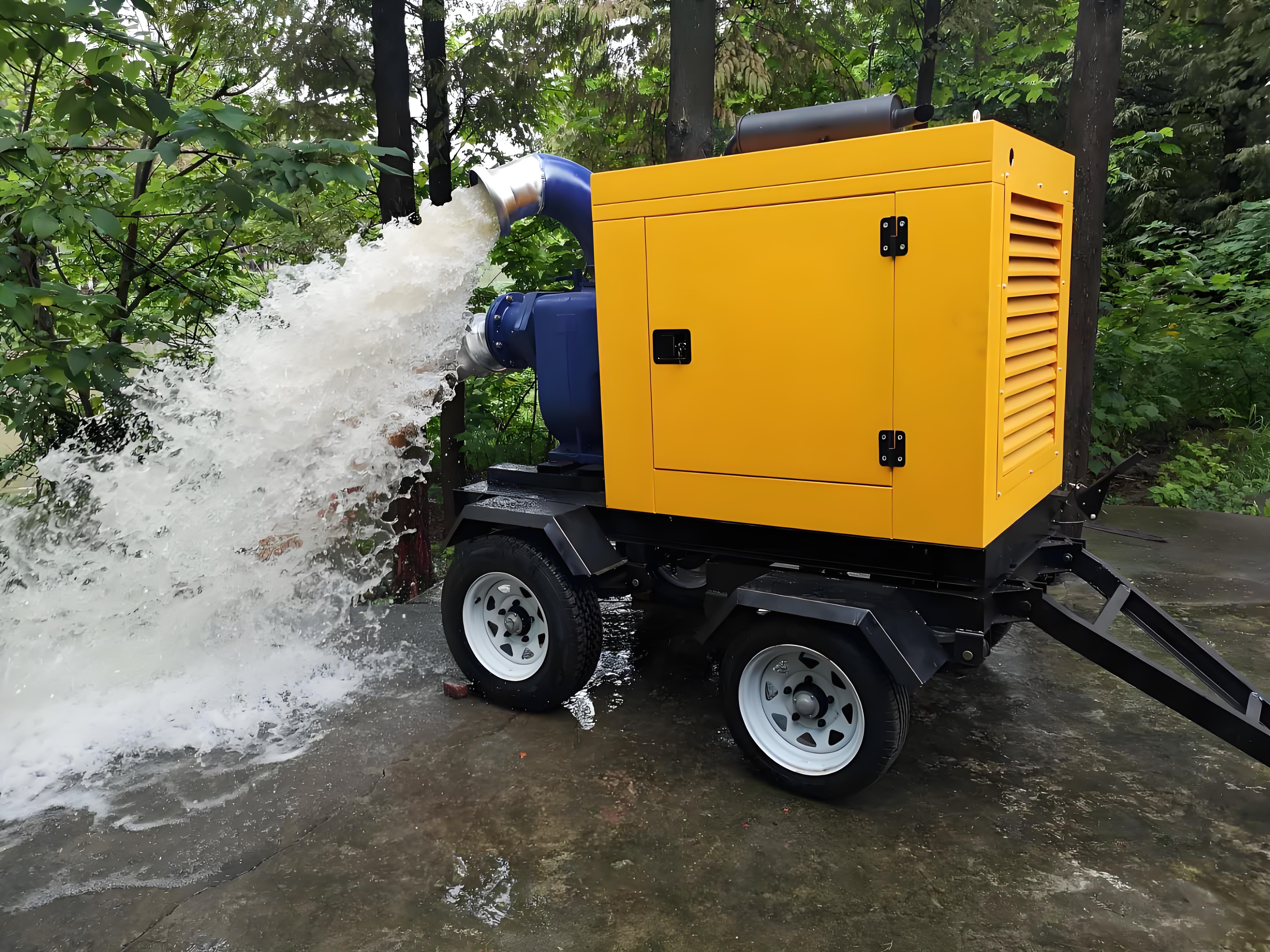
Understanding the Hydraulic Systems in Mobile Pump Trucks
Mobile pump trucks are indispensable in various industries, from construction to agriculture, thanks to their ability to transport and manage fluids efficiently. At the heart of these powerful machines lies a sophisticated hydraulic system that enables them to perform a wide range of tasks effectively. This article delves into the intricate workings of hydraulic systems in mobile pump trucks, highlighting their components, functionality, maintenance, and the advantages they bring to various applications.
Table of Contents
1. Introduction to Hydraulic Systems
2. Components of Hydraulic Systems in Mobile Pump Trucks
2.1 The Hydraulic Pump
2.2 Hydraulic Cylinders
2.3 Hydraulic Fluid
2.4 Hydraulic Reservoir
2.5 Valves and Controls
3. How Hydraulic Systems Function
3.1 The Process of Fluid Movement
3.2 Pressure Generation and Control
4. Applications of Hydraulic Systems in Mobile Pump Trucks
5. Maintenance of Hydraulic Systems
5.1 Regular Checks and Inspections
5.2 Common Issues and Solutions
6. Advantages of Hydraulic Systems in Mobile Pump Trucks
7. Future Trends in Hydraulic Technology
8. Frequently Asked Questions
9. Conclusion
1. Introduction to Hydraulic Systems
Hydraulic systems utilize the principles of fluid mechanics to generate force and movement. In mobile pump trucks, these systems are crucial for operating pumps, moving fluids, and performing a variety of tasks that require precision and power. Understanding how these systems work not only helps operators and technicians maintain their equipment but also enhances overall operational efficiency.
2. Components of Hydraulic Systems in Mobile Pump Trucks
To comprehend how hydraulic systems function, we need to break down their main components. Each part plays a vital role in ensuring the system operates smoothly and efficiently.
2.1 The Hydraulic Pump
The hydraulic pump is the heart of the hydraulic system. It converts mechanical energy into hydraulic energy by drawing fluid from the reservoir and pressurizing it. There are various types of pumps used in mobile pump trucks, including gear pumps, vane pumps, and piston pumps. Each type has its own advantages, with some providing higher flow rates or greater pressure output than others.
2.2 Hydraulic Cylinders
Hydraulic cylinders are actuator devices that convert hydraulic energy back into mechanical energy. They consist of a cylindrical barrel, a piston, and end caps. When pressurized fluid enters the cylinder, it forces the piston to move, creating linear motion that can be used for lifting, pushing, or pulling tasks.
2.3 Hydraulic Fluid
Hydraulic fluid serves multiple purposes in a hydraulic system. It transmits power, lubricates components, and dissipates heat. Common hydraulic fluids include mineral oil-based fluids, water-based fluids, and biodegradable options. The choice of hydraulic fluid can impact the system's efficiency and longevity.
2.4 Hydraulic Reservoir
The hydraulic reservoir stores the hydraulic fluid and serves as a source for the hydraulic pump. It also helps to dissipate heat generated during operation. Proper sizing of the reservoir is crucial—too small can lead to insufficient fluid supply, while too large can increase contamination risks.
2.5 Valves and Controls
Valves are essential for controlling the flow and pressure of the hydraulic fluid throughout the system. They can be manual or automatic and allow operators to direct fluid to specific parts of the system, controlling the movement of hydraulic cylinders and other components.
3. How Hydraulic Systems Function
Understanding how the hydraulic system in mobile pump trucks operates requires a grasp of fluid dynamics and pressure control.
3.1 The Process of Fluid Movement
When the hydraulic pump operates, it creates a vacuum that draws hydraulic fluid from the reservoir. The fluid is then pressurized and sent through the system to various components, such as hydraulic cylinders or motors. This pressure enables them to perform work, such as lifting heavy loads or powering other machinery.
3.2 Pressure Generation and Control
Pressure in a hydraulic system is essential for efficient operation. It is generated by the pump and monitored through pressure gauges. Operators must ensure that the system operates within safe pressure limits to prevent damage. Pressure control valves are employed to maintain optimal pressure levels, allowing for smooth operation even under varying loads.
4. Applications of Hydraulic Systems in Mobile Pump Trucks
Hydraulic systems in mobile pump trucks are versatile and find applications in numerous sectors, including:
- **Construction**: Used for powering concrete pumps and lifting heavy materials.
- **Mining**: Essential for transporting water and slurry in remote locations.
- **Agriculture**: Used in irrigation systems and for transporting fertilizers and pesticides.
- **Environmental Management**: Employed for wastewater treatment and emergency spill response.
The adaptability of hydraulic systems makes them invaluable across these industries, providing efficiency and reliability.
5. Maintenance of Hydraulic Systems
Regular maintenance of hydraulic systems is crucial to ensure their longevity and operational efficiency. Operators must adhere to a structured maintenance plan.
5.1 Regular Checks and Inspections
Routine checks should include fluid levels, filter conditions, and the integrity of hoses and connections. Operators must also monitor for any signs of leaks, unusual noises, or fluctuations in pressure, which could indicate underlying issues.
5.2 Common Issues and Solutions
Several common problems can affect hydraulic systems, such as:
- **Fluid Leaks**: Often caused by worn hoses or seals. Regular inspection and prompt replacement of damaged components can mitigate this issue.
- **Overheating**: Can result from low fluid levels or blockages in filters. Ensuring adequate fluid levels and regular filter maintenance can help prevent overheating.
- **Contamination**: Dirt and debris can compromise hydraulic fluid quality. Using quality filters and maintaining a clean environment can reduce contamination risks.
6. Advantages of Hydraulic Systems in Mobile Pump Trucks
Hydraulic systems offer numerous benefits, including:
- **High Power-to-Weight Ratio**: Hydraulic systems can generate significant force without requiring heavy machinery.
- **Precision Control**: Operators can fine-tune the movement of hydraulic cylinders for precise operations.
- **Versatility**: Hydraulic systems can be adapted to perform a variety of tasks, enhancing the functionality of mobile pump trucks.
These advantages contribute to the growing popularity of hydraulic systems in various industries, ensuring efficient and effective operations.
7. Future Trends in Hydraulic Technology
The future of hydraulic systems in mobile pump trucks is promising, with advancements focused on improving efficiency and reducing environmental impact. Key trends include:
- **Smart Hydraulics**: Integration of IoT technology for real-time monitoring and predictive maintenance.
- **Biodegradable Fluids**: Increasing use of environmentally friendly hydraulic fluids to minimize ecological impact.
- **Energy Efficiency**: Development of hybrid systems that combine hydraulic and electric power for improved fuel efficiency and reduced emissions.
These innovations are aimed at making hydraulic systems more sustainable and efficient, ensuring they remain at the forefront of mobile pump technology.
8. Frequently Asked Questions
What is a hydraulic system?
A hydraulic system uses pressurized fluid to generate force and movement, allowing for efficient operation of machinery.
How does a hydraulic pump work?
A hydraulic pump draws fluid from a reservoir, pressurizes it, and directs it through the system to perform mechanical work.
What are the common types of hydraulic pumps?
Common types include gear pumps, vane pumps, and piston pumps, each with distinct advantages for specific applications.
How often should hydraulic systems be maintained?
Regular maintenance should be performed according to a scheduled plan, typically every few months, or more frequently based on usage.
What are the signs of hydraulic system failure?
Signs can include fluid leaks, unusual noises, loss of pressure, or erratic operation of hydraulic components.
9. Conclusion
Understanding the hydraulic systems in mobile pump trucks is crucial for professionals operating in various industries. By grasping the components, functions, and maintenance practices of these systems, operators can enhance efficiency, reduce downtime, and ensure the longevity of their equipment. As technology advances, staying informed about the latest trends and innovations will further empower users to leverage hydraulic systems effectively, ensuring that mobile pump trucks continue to meet the demands of modern operations.
Contact Us
E-mail :
liu@cnpumpmade.com
WhatsApp:
+8615028256698
Address:
Nanyang Industrial Park, Shifo Town, Anguo City, Hebei Province, China


Leave Your Message