To provide high-quality Water pump products for global customers.

The Importance of Proper Training for Mobile Pump Truck Operators
May 04,2026
The Importance of Proper Training for Mobile Pump Truck Operators
Table of Contents
- Understanding Mobile Pump Trucks
- Key Roles of Pump Truck Operators
- Risks Associated with Improper Training
- Benefits of Proper Training for Operators
- Components of an Effective Training Program
- Best Practices for Training Mobile Pump Truck Operators
- Regulatory Compliance and Certifications
- Future Trends in Pump Truck Operator Training
- Frequently Asked Questions
Understanding Mobile Pump Trucks
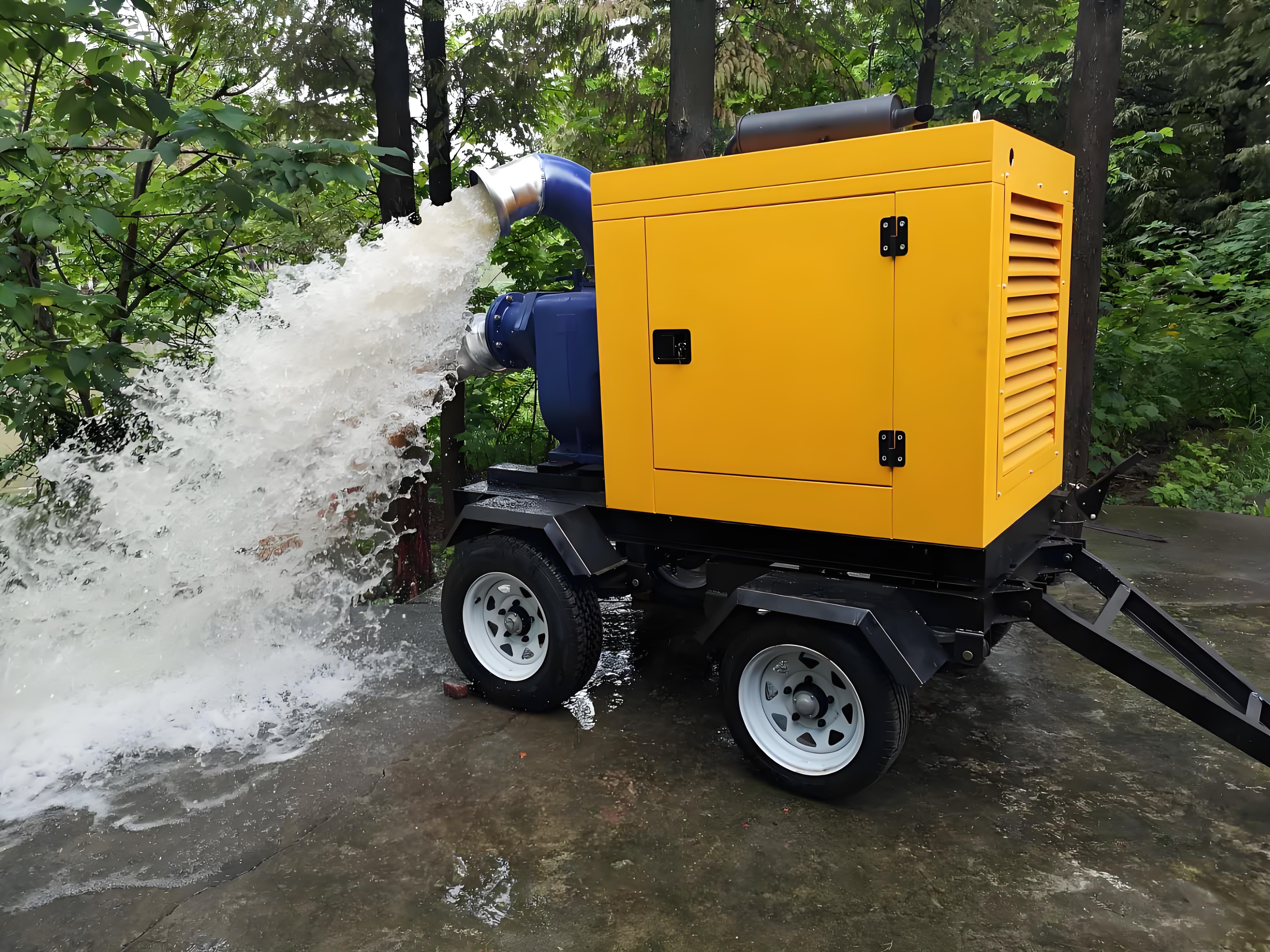
Mobile pump trucks are essential in various industries, including construction, wastewater management, and emergency services. These versatile vehicles support fluid transportation, drainage, and other critical operations. Operators must understand the mechanics of the truck, its components, and the specific tasks they will perform. Knowledge of hydraulic systems, pump functionality, and safety protocols is crucial for ensuring efficiency and safety on job sites.
Key Roles of Pump Truck Operators
The primary responsibilities of mobile pump truck operators include:
- **Operating the Equipment**: Successfully maneuvering the pump truck, understanding its controls, and knowing how to manage its hydraulic system.
- **Maintenance Checks**: Performing routine inspections and maintenance to ensure the pump truck is in optimal condition.
- **Safety Protocols**: Adhering strictly to safety guidelines to protect themselves and their crew from potential hazards.
- **Fluid Management**: Effectively managing the loading, transporting, and unloading of various fluids, ensuring compliance with environmental regulations.
Each of these roles requires comprehensive training to ensure that the operator is prepared for a wide range of scenarios.
Risks Associated with Improper Training
Improper training can lead to serious consequences, including:
- **Increased Liability**: Untrained operators may cause accidents, leading to injuries or fatalities, resulting in legal repercussions for employers.
- **Equipment Damage**: Lack of operational knowledge can result in equipment misuse, leading to costly repairs and downtime.
- **Environmental Hazards**: Mishandling fluids can lead to spills or leaks, causing environmental damage and incurring hefty fines.
- **Inefficiency**: Poorly trained operators may not perform tasks efficiently, leading to increased operational costs and project delays.
Understanding these risks underscores the urgency of investing in proper training programs.
Benefits of Proper Training for Operators
Investing in proper training offers numerous benefits, including:
- **Enhanced Safety**: Training equips operators with the skills to identify hazards and implement safety measures effectively.
- **Improved Efficiency**: Well-trained operators can execute tasks more quickly and efficiently, leading to productivity gains.
- **Reduced Downtime**: Properly trained personnel are less likely to misuse equipment, resulting in fewer breakdowns and repairs.
- **Regulatory Compliance**: Training helps ensure operators understand and comply with industry regulations, avoiding legal pitfalls.
- **Increased Employee Morale**: Operators who receive quality training feel valued and more confident in their abilities, boosting overall morale.
These advantages contribute to a safer and more productive work environment.
Components of an Effective Training Program
An effective training program for mobile pump truck operators should include the following components:
- **Theoretical Knowledge**: Instruction on the principles of fluid dynamics, pump operations, and vehicle mechanics.
- **Hands-On Training**: Practical experience is crucial; operators must practice driving and operating the equipment under the guidance of experienced trainers.
- **Safety Protocols**: Training must emphasize safety procedures, including emergency response, personal protective equipment (PPE) use, and safe fluid handling.
- **Assessment and Certification**: Regular assessments to gauge operator proficiency and provide certification upon successful completion ensure that competencies are met.
Implementing these components ensures that operators are well-rounded and prepared for real-world challenges.
Best Practices for Training Mobile Pump Truck Operators
To maximize training effectiveness, consider the following best practices:
- **Tailor Training Programs**: Customize training content to meet the specific needs of the operation, industry, and equipment being used.
- **Utilize Experienced Trainers**: Employ instructors with extensive industry experience and teaching abilities to provide valuable insights.
- **Incorporate Technology**: Leverage simulation technology and e-learning platforms to enhance training engagement and retention.
- **Continuous Learning**: Promote a culture of lifelong learning, offering refresher courses and updates on new regulations and technology.
By adopting these practices, organizations can foster a skilled workforce proficient in mobile pump truck operations.
Regulatory Compliance and Certifications
Compliance with regulatory standards is critical for mobile pump truck operators. Various organizations, such as the Occupational Safety and Health Administration (OSHA), have established guidelines that operators must follow. Certifications from recognized bodies ensure that operators meet industry standards and can perform their jobs safely and effectively. Employers should keep abreast of changing regulations to ensure their training programs remain compliant.
Future Trends in Pump Truck Operator Training
The landscape of mobile pump truck operator training is evolving. Here are some anticipated trends:
- **Increased Use of Virtual Reality (VR)**: VR technology offers immersive training experiences, allowing operators to practice in a safe, controlled environment.
- **Focus on Soft Skills**: As the industry evolves, there will be an increasing emphasis on communication, problem-solving, and teamwork skills alongside technical abilities.
- **Data-Driven Training Approaches**: Utilizing data analytics to track operator performance can help refine training programs and improve outcomes.
- **Sustainability Education**: As environmental concerns grow, training will increasingly include sustainable practices related to fluid management and equipment use.
Staying ahead of these trends will be essential for organizations aiming to maintain a competitive edge.
Frequently Asked Questions
What qualifications do mobile pump truck operators need?
Operators typically require a valid driver's license, a clean driving record, and specialized training in pump operation and safety protocols. Certifications can enhance employability.
How long does training for mobile pump truck operators take?
Training duration varies based on the complexity of the equipment and the training program structure. Generally, a comprehensive program can range from a few weeks to several months.
Are there refresher courses for experienced operators?
Yes, refresher courses are essential for keeping skills sharp and staying updated on industry regulations and technology.
What are the signs of improper training?
Indicators include frequent accidents, operator confusion, poor handling of equipment, and failure to follow safety protocols.
How can companies ensure compliance with training standards?
Regularly review and update training programs, conduct audits, and ensure that trainers are well-versed in current regulations and best practices.
Conclusion
Proper training for mobile pump truck operators is not just a regulatory necessity; it is a fundamental component of operational efficiency and safety. Through tailored training programs that encompass theoretical knowledge, hands-on experience, and a focus on safety, organizations can enhance productivity, reduce risks, and promote a positive work environment. By investing in skilled operators and continually adapting training practices to meet industry trends, companies can secure a robust future in an evolving marketplace. Proper training is an investment that pays dividends in safety, efficiency, and employee satisfaction.
Contact Us
E-mail :
liu@cnpumpmade.com
WhatsApp:
+8615028256698
Address:
Nanyang Industrial Park, Shifo Town, Anguo City, Hebei Province, China


Leave Your Message