To provide high-quality Water pump products for global customers.


The Impact of Gravel Pumps on Construction Site Productivity: Enhancing Efficiency and Performance
May 02,2026
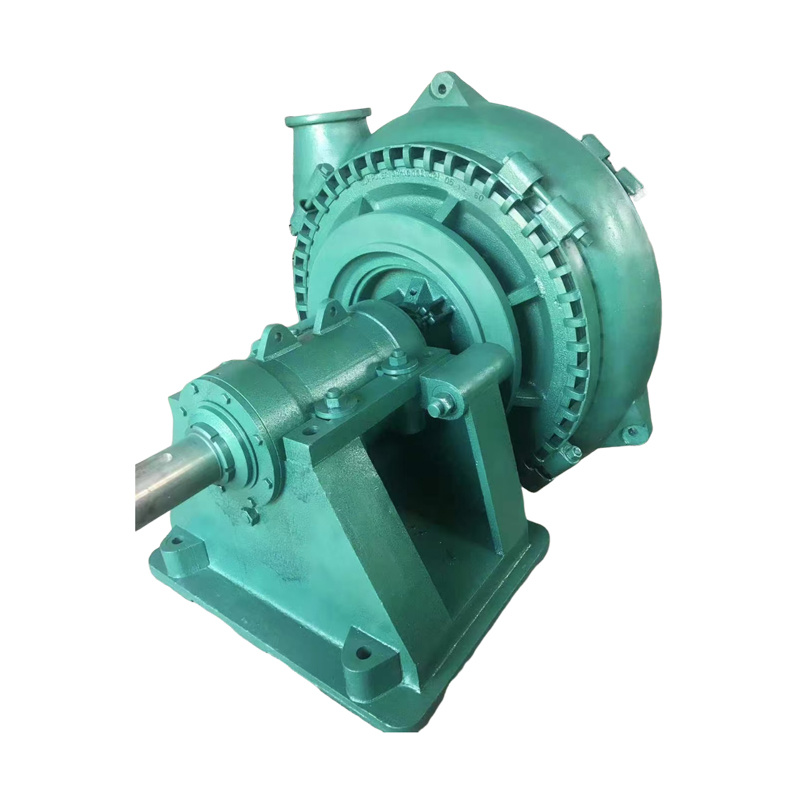
The Impact of Gravel Pumps on Construction Site Productivity
Table of Contents
1. Introduction to Gravel Pumps and Their Role in Construction
2. Understanding Gravel Pumps: Types and Mechanisms
2.1. Centrifugal Gravel Pumps
2.2. Positive Displacement Pumps
3. Key Benefits of Using Gravel Pumps on Construction Sites
3.1. Enhanced Efficiency and Speed
3.2. Cost Reduction and Financial Benefits
4. Applications of Gravel Pumps in Construction
4.1. Dredging and Material Transport
4.2. Site Preparation and Ground Stabilization
5. Technological Innovations in Gravel Pump Design
5.1. Automation and Smart Pumping Solutions
5.2. Energy Efficiency and Environmental Considerations
6. Selecting the Right Gravel Pump for Your Project
6.1. Factors to Consider
6.2. Popular Brands and Models
7. Case Studies: Gravel Pump Success Stories in Construction
8. Frequently Asked Questions (FAQs)
9. Conclusion: The Future of Gravel Pumps in Construction
1. Introduction to Gravel Pumps and Their Role in Construction
Gravel pumps serve a crucial function in the construction industry, particularly in projects involving large quantities of granular materials. These powerful machines are designed to transfer concrete, sand, gravel, and other heavy materials efficiently. In this article, we will delve into the **impact of gravel pumps on construction site productivity**, exploring how they enhance efficiency, reduce costs, and streamline operations.
2. Understanding Gravel Pumps: Types and Mechanisms
To fully appreciate the role gravel pumps play in construction, it is essential to understand the different types available and their mechanisms.
2.1. Centrifugal Gravel Pumps
Centrifugal gravel pumps are heavily utilized in construction due to their ability to manage large volumes of material at high speeds. They use rotational energy to move the material, making them ideal for transporting gravel over longer distances.
2.2. Positive Displacement Pumps
Positive displacement pumps, on the other hand, work by trapping a fixed amount of material and forcing it through the discharge. These pumps are particularly effective for high-viscosity materials and are often used for heavy-duty applications on construction sites.
3. Key Benefits of Using Gravel Pumps on Construction Sites
The integration of gravel pumps into construction processes presents numerous advantages that can significantly boost productivity.
3.1. Enhanced Efficiency and Speed
Gravel pumps enable faster material transfer, reducing downtime. This is crucial on construction sites where time is money. By utilizing these pumps, contractors can ensure that materials are delivered precisely when needed, thus maintaining the flow of construction activities.
3.2. Cost Reduction and Financial Benefits
Implementing gravel pumps can lead to considerable cost savings. By increasing the speed of material movement, labor costs associated with manual transport can be reduced. Additionally, gravel pumps minimize material wastage, further enhancing their financial appeal.
4. Applications of Gravel Pumps in Construction
Gravel pumps are versatile and find applications in various construction scenarios.
4.1. Dredging and Material Transport
In dredging operations, gravel pumps excel at extracting sediments from underwater sites. Their powerful suction capabilities allow for efficient material transport from the water to the construction site.
4.2. Site Preparation and Ground Stabilization
Before construction begins, site preparation is critical. Gravel pumps help in stabilizing the ground by transporting and distributing materials evenly, ensuring a solid foundation for future construction activities.
5. Technological Innovations in Gravel Pump Design
The evolution of gravel pump technology has led to significant advancements that enhance performance, efficiency, and environmental sustainability.
5.1. Automation and Smart Pumping Solutions
Modern gravel pumps often feature automation capabilities, allowing for remote operation and monitoring. This advancement reduces the need for on-site personnel, enhancing safety and operational efficiency.
5.2. Energy Efficiency and Environmental Considerations
Many new gravel pump designs prioritize energy efficiency, utilizing less power while maintaining high performance. This focus helps reduce the carbon footprint of construction projects, aligning with global sustainability goals.
6. Selecting the Right Gravel Pump for Your Project
Choosing the appropriate gravel pump is critical to maximizing its benefits on construction sites.
6.1. Factors to Consider
Key factors include the type of material being transported, the distance of material transfer, and the specific requirements of the construction project. Understanding these elements will aid in selecting the most suitable pump.
6.2. Popular Brands and Models
Several reputable manufacturers offer quality gravel pumps, including [insert brand names], known for their durability and reliability. Researching and comparing different models will ensure the best fit for your project's needs.
7. Case Studies: Gravel Pump Success Stories in Construction
Various construction projects have successfully integrated gravel pumps, significantly enhancing productivity. For instance, in [insert specific project name], the use of a gravel pump expedited material transport, allowing the project to meet tight deadlines while staying within budget.
8. Frequently Asked Questions (FAQs)
1. What types of materials can gravel pumps handle?
Gravel pumps can transport a variety of materials, including gravel, sand, concrete, and other aggregate materials.
2. How do I determine the right gravel pump size for my project?
The right size depends on the volume and type of material to be transported, as well as the distance of the transfer. Consulting with a professional can provide tailored recommendations.
3. Are gravel pumps environmentally friendly?
Many modern gravel pumps are designed with energy efficiency in mind, reducing their environmental impact while maintaining high performance.
4. Can gravel pumps be used for underwater dredging?
Yes, gravel pumps are commonly used in underwater dredging operations due to their effective suction capabilities.
5. What maintenance is required for gravel pumps?
Regular maintenance, including checking for wear and tear, cleaning filters, and ensuring proper lubrication, is essential to keep gravel pumps operating efficiently.
9. Conclusion: The Future of Gravel Pumps in Construction
Gravel pumps are undeniably transforming the construction industry by enhancing productivity and efficiency. As technology continues to evolve, we can expect even greater innovations that will increase the capabilities of these essential machines. Embracing gravel pump technology not only streamlines operations but also contributes to cost savings and more sustainable construction practices. In a competitive industry, investing in gravel pumps could be the key to achieving greater success in your construction projects.
Contact Us
E-mail :
liu@cnpumpmade.com
WhatsApp:
+8615028256698
Address:
Nanyang Industrial Park, Shifo Town, Anguo City, Hebei Province, China


Leave Your Message