To provide high-quality Water pump products for global customers.


What You Need to Know about Gravel Pump Installation and Setup
Mar 23,2026
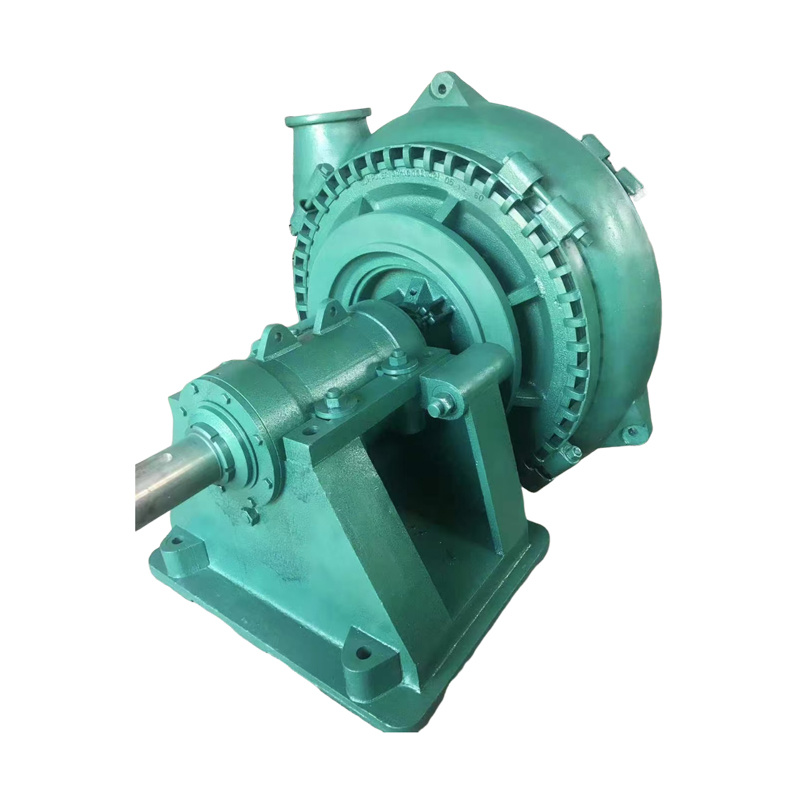
What You Need to Know about Gravel Pump Installation and Setup
Gravel pumps play a crucial role in various industrial applications, particularly in the mining and construction sectors where they are used to transport heavy slurries and sediments. Understanding the **installation and setup** process of gravel pumps is essential for ensuring their efficiency and reliability. In this article, we will delve into everything you need to know regarding the installation, setup, and maintenance of gravel pumps.
Table of Contents
- 1. Understanding Gravel Pumps
- 2. Pre-Installation Considerations
- 3. Installation Process
- 4. Setup Guidelines for Optimal Performance
- 5. Troubleshooting Common Issues
- 6. Maintenance Tips for Longevity
- 7. Safety Considerations during Installation and Operation
- 8. Conclusion
- 9. Frequently Asked Questions
1. Understanding Gravel Pumps
Gravel pumps are specifically designed to handle the abrasive nature of gravel and other solid materials. Their construction typically includes rugged materials that can withstand wear and tear, making them ideal for transporting slurries from **mining sites** or **construction projects**. These pumps can be classified into two main categories: **horizontal gravel pumps** and **vertical gravel pumps**, each serving unique applications based on the needs of the project.
1.1 Applications of Gravel Pumps
Gravel pumps find extensive use in various industries, including:
- **Mining**: Used for slurry transport in mineral extraction processes.
- **Dredging**: Essential for removing sediments from water bodies.
- **Construction**: Utilized in projects that involve transporting concrete and other heavy materials.
2. Pre-Installation Considerations
Before embarking on the installation process, it is vital to consider several factors that will affect the pump’s performance and longevity.
2.1 Site Assessment
Conducting a thorough site assessment helps identify the best location for the pump. Key factors to evaluate include:
- **Accessibility**: Ensure easy access for maintenance and operation.
- **Space**: Adequate space for pump installation and potential expansion.
- **Environmental Conditions**: Assess the impact of temperature, humidity, and exposure to elements.
2.2 Selecting the Right Pump
Choosing the correct gravel pump is critical. Factors to consider include:
- **Flow Rate**: Determine the required flow rate based on the application.
- **Solid Size**: Ensure the pump can handle the size and type of solids you will be transporting.
- **Head Requirements**: Evaluate the vertical distance the slurry needs to be pumped.
3. Installation Process
The installation of a gravel pump requires careful planning and execution. Follow these steps for a successful installation.
3.1 Preparing the Site
Begin by clearing the installation area of any debris and obstacles. It’s essential to create a stable and level foundation to support the pump's weight.
3.2 Mounting the Pump
- **Position the Pump**: Place the pump on the prepared foundation, ensuring it is level.
- **Secure the Pump**: Use appropriate fasteners to secure the pump in place.
3.3 Connecting the Piping
Proper piping connections are crucial for optimal performance:
- **Inlet and Outlet**: Connect the inlet and outlet pipes, ensuring they are leak-proof.
- **Support the Piping**: Use appropriate brackets to support the piping system and prevent strain on the pump.
3.4 Electrical Connections
If the gravel pump is electrically powered, ensure that all electrical connections are completed according to local regulations. Consult a qualified electrician if necessary.
4. Setup Guidelines for Optimal Performance
Once the installation is complete, it’s time to set up the pump for optimal performance.
4.1 Priming the Pump
Before starting the pump, priming is essential:
- **Fill with Water**: Ensure the pump casing is filled with water to prevent air locks.
- **Check Valves**: Make sure all valves are closed before starting the pump.
4.2 Adjusting the Settings
Depending on the manufacturer’s guidelines, adjust settings such as pressure and flow rates to match your specific requirements.
5. Troubleshooting Common Issues
Gravel pumps can encounter various issues during operation. Familiarizing yourself with common problems can aid in quick resolution.
5.1 Low Flow Rate
If the pump is not delivering the desired flow rate, consider the following:
- **Clogged Filters**: Check and clean or replace any clogged filters or screens.
- **Incorrect Settings**: Ensure that the pump settings are appropriately adjusted for the application.
5.2 Vibration Issues
Excessive vibration can indicate misalignment or imbalance:
- **Check Alignment**: Ensure that the pump and motor are properly aligned.
- **Inspect for Wear**: Look for worn parts that may need replacement.
6. Maintenance Tips for Longevity
To ensure the longevity and efficiency of your gravel pump, regular maintenance is crucial.
6.1 Routine Inspections
Conduct routine inspections to catch any potential issues early. This includes checking:
- **Wear Parts**: Inspect impellers and casings for signs of wear.
- **Seals and Gaskets**: Look for leaks and replace damaged seals as needed.
6.2 Lubrication
Regular lubrication of bearings and moving parts helps reduce friction and wear. Always use the manufacturer-recommended lubricant.
7. Safety Considerations during Installation and Operation
Safety should always be a priority when installing and operating gravel pumps.
7.1 Personal Protective Equipment (PPE)
Ensure that all personnel wear appropriate PPE, including gloves, goggles, and helmets, to minimize the risk of injury.
7.2 Emergency Procedures
Develop and communicate emergency procedures in case of pump failure or accidents.
8. Conclusion
Understanding the installation and setup of gravel pumps is essential for maximizing their performance and lifespan. From pre-installation considerations to troubleshooting and maintenance, having comprehensive knowledge empowers you to effectively manage these critical pieces of industrial equipment. By following the guidelines outlined in this article, you can ensure that your gravel pumps operate efficiently, thereby enhancing productivity in your industrial applications.
9. Frequently Asked Questions
9.1 What is the average lifespan of a gravel pump?
The lifespan of a gravel pump can vary significantly based on usage, maintenance, and operating conditions. Generally, with proper maintenance, they can last between 5 to 10 years.
9.2 How often should I perform maintenance on my gravel pump?
Maintenance should be performed at least once a month, with more frequent checks during high usage periods. Routine inspections help catch potential issues before they become major problems.
9.3 Can I use a gravel pump for materials other than gravel?
Gravel pumps are versatile and can handle various solid materials, including sand and slurries. However, always check with the manufacturer to ensure compatibility.
9.4 What should I do if my pump is leaking?
If you notice leaks, immediately turn off the pump and inspect the seals and gaskets. Replace any damaged components and ensure all connections are tight.
9.5 Is professional installation necessary for gravel pumps?
While it is possible to install a gravel pump without professional assistance, hiring a qualified technician can ensure proper setup and compliance with safety standards.
Contact Us
E-mail :
liu@cnpumpmade.com
WhatsApp:
+8615028256698
Address:
Nanyang Industrial Park, Shifo Town, Anguo City, Hebei Province, China


Leave Your Message