To provide high-quality Water pump products for global customers.


Double Suction Pumps in Action: Real-World Case Studies
Mar 19,2026
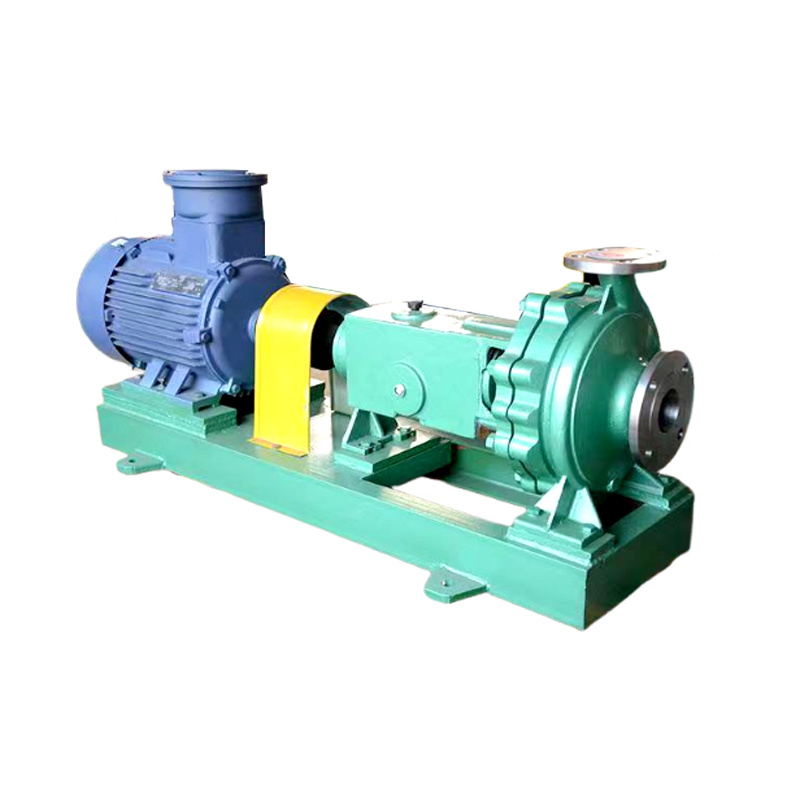
Double Suction Pumps in Action: Real-World Case Studies
Table of Contents
- 1. Introduction to Double Suction Pumps
- 2. What is a Double Suction Pump?
- 3. Advantages of Double Suction Pumps in Industrial Applications
- 4. Case Study 1: Double Suction Pumps in Water Treatment Facilities
- 5. Case Study 2: Enhancing Efficiency in Power Plants
- 6. Case Study 3: Oil and Gas Industry Applications
- 7. Challenges and Solutions in Implementing Double Suction Pumps
- 8. The Future of Double Suction Pumps: Trends and Innovations
- 9. Conclusion
- 10. FAQs
1. Introduction to Double Suction Pumps
Double suction pumps are critical components in various industrial applications, recognized for their efficiency and reliability in handling large volumes of fluid. Unlike single-suction pumps, these pumps pull fluid from both sides of the impeller, significantly enhancing their capacity and performance. Understanding their operational principles and real-world applications can help industries optimize their fluid-handling processes.
2. What is a Double Suction Pump?
A double suction pump is designed with an impeller that enables it to draw fluid from both sides simultaneously. This dual-action mechanism allows for a more balanced thrust, which reduces mechanical wear and increases operational lifespan. Typically, these pumps are used for high-capacity applications, making them ideal for sectors such as water treatment, power generation, and oil and gas.
3. Advantages of Double Suction Pumps in Industrial Applications
Double suction pumps offer numerous benefits, making them a preferred choice in many industrial settings:
3.1 Enhanced Efficiency
Due to their design, these pumps can handle larger volumes of fluid at a lower energy cost compared to single-suction pumps. This efficiency translates into reduced operational costs and a lower carbon footprint.
3.2 Reduced Vibration and Noise
The balanced design of double suction pumps minimizes vibration, leading to quieter operations. This is particularly important in settings where noise pollution can be a concern.
3.3 Increased Reliability
With fewer mechanical parts experiencing stress, double suction pumps typically have a longer service life and lower maintenance requirements, ensuring more reliable operations.
4. Case Study 1: Double Suction Pumps in Water Treatment Facilities
In water treatment facilities, the demand for efficient fluid transfer is paramount. A recent project in a metropolitan water treatment plant utilized double suction pumps to manage the high volume of water processing required.
4.1 Project Overview
The facility faced challenges in maintaining consistent flow rates while reducing energy consumption. After implementing double suction pumps, the plant reported a **30% increase in efficiency** and significant reductions in energy costs.
4.2 Key Takeaways
- **Energy Savings**: The pumps allowed for lower energy consumption while maintaining high performance.
- **Operational Reliability**: The reduced vibration led to less wear and tear, extending the lifespan of the pumps.
5. Case Study 2: Enhancing Efficiency in Power Plants
Power plants require robust fluid management systems to ensure uninterrupted energy production. A coal-fired power plant integrated double suction pumps to enhance its cooling water systems.
5.1 Project Overview
The plant needed to upgrade its cooling systems to handle increased operational demands. By employing double suction pumps, the facility increased its cooling efficiency by **25%**, which significantly improved overall plant performance.
5.2 Key Takeaways
- **Improved Cooling Efficiency**: Enhanced cooling capacities helped in maintaining optimal operational temperatures.
- **Cost-Effectiveness**: The long-term savings on energy and maintenance costs made the initial investment in double suction pumps worthwhile.
6. Case Study 3: Oil and Gas Industry Applications
In the oil and gas sector, the need for reliable pumping systems is critical. A major oil extraction facility adopted double suction pumps to manage the transportation of crude oil and associated fluids.
6.1 Project Overview
The facility faced challenges with high-viscosity fluids and fluctuating flow demands. The introduction of double suction pumps not only improved the flow rates but also enhanced the pump's ability to handle viscous fluids effectively.
6.2 Key Takeaways
- **Versatility**: Double suction pumps adapted well to varying fluid characteristics, showcasing their capability across different applications.
- **Increased Output**: The facility experienced a **40% improvement in flow rates**, enabling better resource management.
7. Challenges and Solutions in Implementing Double Suction Pumps
While double suction pumps offer significant advantages, they also present challenges during installation and operation.
7.1 Common Challenges
- **Initial Cost**: The upfront investment can be higher than that of traditional pumps, though the long-term benefits often justify this expense.
- **Complex Maintenance**: Specialized knowledge may be required for effective maintenance and servicing.
7.2 Effective Solutions
- **Comprehensive Training**: Providing training for staff on pump operation and maintenance can mitigate risks and enhance performance.
- **Regular Monitoring**: Implementing a monitoring system can help in early detection of issues, reducing downtime and maintenance costs.
8. The Future of Double Suction Pumps: Trends and Innovations
The future of double suction pumps looks promising, with several trends shaping their development and application.
8.1 Technological Innovations
Advancements in materials and technology will continue to enhance the efficiency and durability of double suction pumps. The integration of IoT and smart technology can facilitate real-time monitoring and predictive maintenance.
8.2 Sustainable Practices
As industries push for greener practices, the demand for energy-efficient solutions like double suction pumps will likely increase. This shift will help organizations achieve their sustainability goals while optimizing performance.
9. Conclusion
Double suction pumps play a vital role in various industrial applications, providing efficiency, reliability, and enhanced performance. The case studies discussed illustrate their significant impact across sectors such as water treatment, power generation, and oil and gas. As industries continue to evolve, the adoption of advanced pumping technology will remain crucial for optimizing operational processes and reducing environmental impact.
10. FAQs
Q1: What are double suction pumps used for?
A1: Double suction pumps are primarily used in applications requiring the movement of large volumes of fluids, such as water treatment, power generation, and the oil and gas industry.
Q2: How do double suction pumps differ from single suction pumps?
A2: Unlike single suction pumps, which draw fluid from one side, double suction pumps draw fluid from both sides of the impeller, allowing for higher flow rates and reduced vibration.
Q3: What are the benefits of using double suction pumps?
A3: The benefits include enhanced efficiency, reduced vibration and noise, increased reliability, and lower operational costs.
Q4: What challenges are associated with double suction pumps?
A4: Common challenges include higher initial costs and the need for specialized maintenance knowledge.
Q5: How can industries ensure the effective operation of double suction pumps?
A5: Regular maintenance, staff training, and real-time monitoring systems can help ensure the effective operation of double suction pumps.
Contact Us
E-mail :
liu@cnpumpmade.com
WhatsApp:
+8615028256698
Address:
Nanyang Industrial Park, Shifo Town, Anguo City, Hebei Province, China


Leave Your Message