To provide high-quality Water pump products for global customers.


The Essential Guide to Gravel Pumps: Understanding Their Role in Industrial Applications
Mar 18,2026
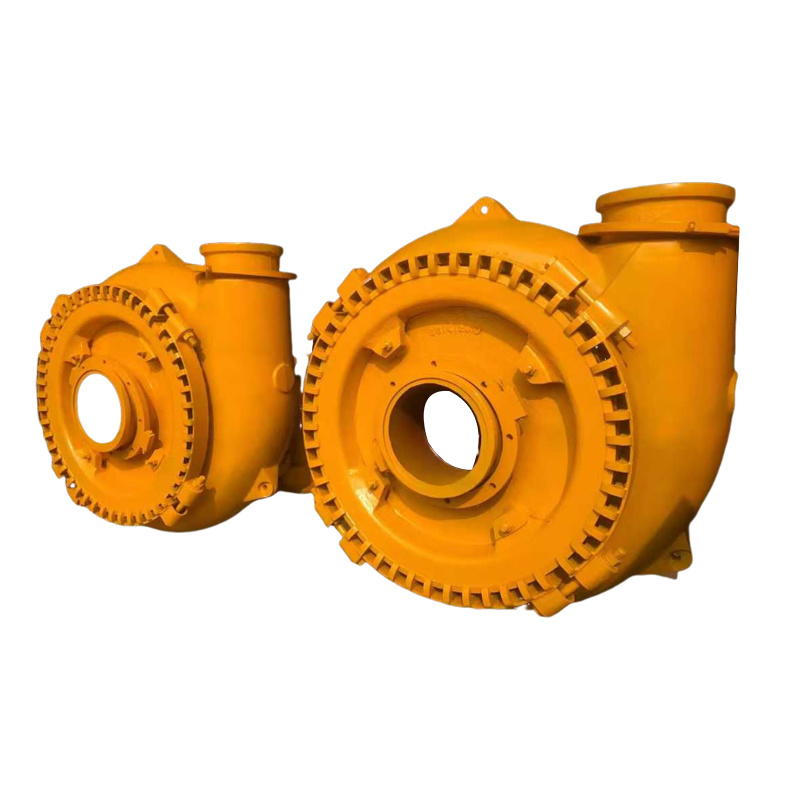
Gravel pumps are specialized centrifugal pumps designed to handle heavy, abrasive slurries and high-solid content mixtures, making them essential in various industrial applications. Unlike standard pumps, gravel pumps are engineered to withstand the wear and tear caused by the transportation of coarse materials, which can include gravel, sand, and other particulate matter.
One of the primary features of gravel pumps is their robust construction. These pumps typically consist of high-chromium alloy materials that resist erosion and corrosion, prolonging their lifespan even in demanding environments. The design of gravel pumps often includes a larger inlet and outlet, enabling them to effectively handle larger solids without clogging, which can be a common issue with conventional pumps.
Gravel pumps find widespread use in several industries, particularly in mining, construction, and dredging. In mining operations, they are employed to transport slurry from extraction sites to processing plants, ensuring efficient material handling while minimizing downtime. In construction, gravel pumps can be used for tasks such as dewatering or transporting aggregates for concrete production. Additionally, dredging operations utilize gravel pumps to remove sediments from water bodies, making them vital for maintaining navigable waterways.
One significant advantage of using gravel pumps is their ability to operate in challenging conditions. Many models are designed for submersible use, which allows them to function underwater, making them ideal for tasks in flooded areas or deep excavations. Their versatility and adaptability make them an invaluable asset on job sites where traditional pumps may struggle.
When considering the selection of a gravel pump, it's essential to assess the specific application requirements, including the type of material being transported, the distance of transportation, and the required flow rate. Understanding these parameters will help ensure that the chosen pump operates efficiently and effectively.
In conclusion, gravel pumps are indispensable tools in various industrial applications where the transport of abrasive materials is required. Their unique design and robust construction cater to the challenges presented by heavy-duty tasks, making them reliable for industries that depend on efficient material handling solutions. As you explore options for gravel pumps, consider the specific needs of your operation to select the most suitable model that enhances productivity and reduces operational costs.
Contact Us
E-mail :
liu@cnpumpmade.com
WhatsApp:
+8615028256698
Address:
Nanyang Industrial Park, Shifo Town, Anguo City, Hebei Province, China


Leave Your Message