To provide high-quality Water pump products for global customers.


Comparing Multistage Pumps: Centrifugal vs. Positive Displacement
Mar 17,2026
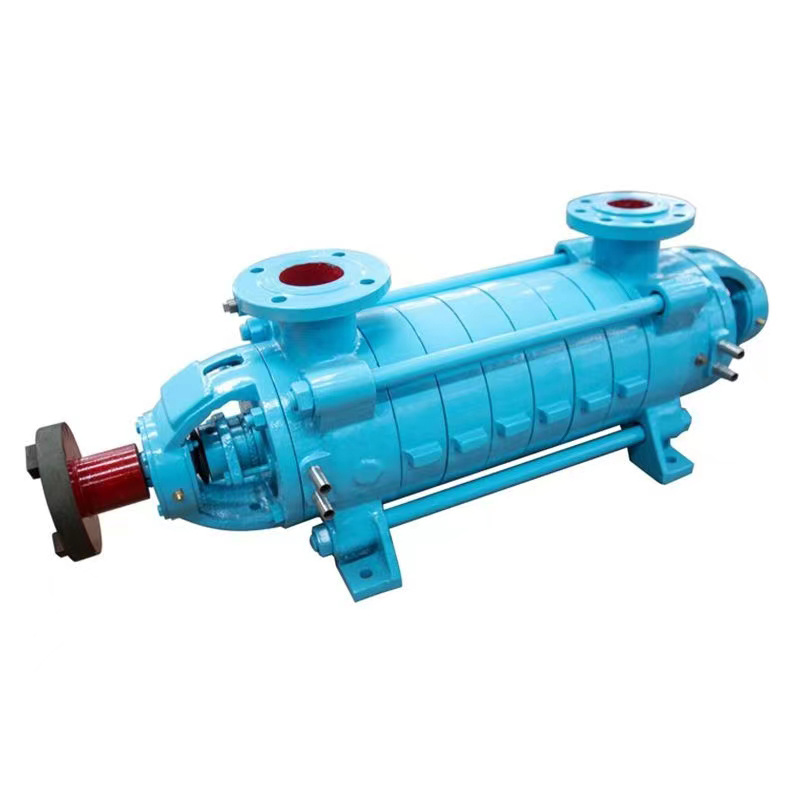
Comparing Multistage Pumps: Centrifugal vs. Positive Displacement
Introduction to Multistage Pumps
In the world of industrial equipment, **multistage pumps** play a crucial role in transporting fluids across various applications. These pumps are designed to handle high pressures and flow rates, making them essential in numerous sectors, including oil and gas, water treatment, and chemical processing. Understanding the differences between **centrifugal** and **positive displacement** multistage pumps is vital for selecting the right pump for your specific needs.
What Are Multistage Pumps?
Multistage pumps consist of two or more impellers (stages) that work together to increase the pressure of fluids. They are utilized in situations where high pressure and controlled flow delivery are necessary. Each stage contributes to the overall pressure, thereby enabling efficient fluid movement over considerable distances.
Types of Multistage Pumps
1. **Centrifugal Multistage Pumps**
- Operate using rotational energy generated by impellers.
- Ideal for applications requiring high flow rates at moderate pressures.
2. **Positive Displacement Multistage Pumps**
- Move fluid by trapping a fixed amount and forcing it into the discharge pipe.
- Suitable for high-pressure applications with low flow requirements.
Operational Principles of Multistage Pumps
Centrifugal Multistage Pumps: How They Work
Centrifugal pumps harness the kinetic energy generated by rotating impellers to impart velocity and pressure to the fluid. When the impeller spins, it creates a centrifugal force that pushes the fluid outward from the center of rotation. The **volute casing** then converts this velocity into pressure, allowing the fluid to move efficiently through the system.
Advantages of Centrifugal Multistage Pumps
- **High Flow Rates**: Capable of moving large volumes of fluid quickly.
- **Efficiency**: Generally more efficient than positive displacement pumps over a variety of conditions.
- **Simplicity**: Fewer moving parts mean less maintenance and lower operational costs.
Disadvantages of Centrifugal Multistage Pumps
- **Sensitivity to Viscosity**: Performance can drop significantly with highly viscous fluids.
- **Limited Self-Priming Ability**: Requires proper priming before operation, especially in applications with low suction pressure.
Positive Displacement Multistage Pumps: How They Work
Positive displacement pumps function by mechanically trapping a set volume of fluid and then displacing it through the discharge. They achieve this by utilizing moving parts like gears, screws, or pistons to create pressure. This method ensures that the same amount of fluid is moved regardless of the system's pressure.
Advantages of Positive Displacement Multistage Pumps
- **Consistent Flow**: Deliver a uniform flow rate regardless of system pressure changes.
- **High Viscosity Handling**: Effective in managing thick or viscous fluids.
- **Self-Priming**: Generally easier to self-prime than centrifugal pumps.
Disadvantages of Positive Displacement Multistage Pumps
- **Lower Flow Rates**: Typically less efficient at moving large volumes compared to centrifugal pumps.
- **Higher Maintenance**: More complex mechanisms can mean increased maintenance requirements.
Applications of Multistage Pumps
Common Uses of Centrifugal Multistage Pumps
Centrifugal multistage pumps are widely deployed in:
- **Water Supply Systems**: Pressurizing water for municipal distribution.
- **Boiler Feed Systems**: Providing high-pressure water to boilers in power plants.
- **Irrigation Systems**: Delivering water across agricultural fields efficiently.
Common Uses of Positive Displacement Multistage Pumps
Positive displacement pumps excel in:
- **Chemical Processing**: Handling corrosive or viscous chemicals with precision.
- **Hydraulic Applications**: Providing hydraulic power for machinery in various industries.
- **Food and Beverage**: Moving thick liquids like syrups and pastes without compromising quality.
Key Differences Between Centrifugal and Positive Displacement Pumps
Performance Characteristics
- **Flow Rate Stability**: Centrifugal pumps can vary in flow rate with pressure changes, while positive displacement pumps maintain a constant flow irrespective of pressure fluctuations.
- **Pressure Handling**: Positive displacement pumps are better suited for high-pressure applications, while centrifugal pumps excel at high flow rates.
Maintenance and Operational Costs
Centrifugal multistage pumps typically have lower operational costs due to their simpler design. However, positive displacement pumps may require more frequent maintenance due to their more complex mechanisms.
Choosing the Right Pump for Your Needs
When selecting between centrifugal and positive displacement multistage pumps, consider the following factors:
1. System Requirements
Assess the specific needs of your application, including flow rate, pressure requirements, and the viscosity of the fluid being pumped.
2. Cost Considerations
Evaluate not only the initial cost but also the long-term operational and maintenance expenses associated with each pump type.
3. Environmental Factors
Consider any environmental conditions that may affect pump performance, such as temperature extremes or the presence of corrosive substances.
FAQs About Multistage Pumps
What is the primary difference between centrifugal and positive displacement pumps?
Centrifugal pumps create flow using rotational energy and are ideal for high flow rates, while positive displacement pumps trap and displace a fixed volume of fluid, making them better for high-pressure applications.
When is it better to use a positive displacement pump?
When dealing with high-viscosity fluids or applications that require precise flow control under varying pressures, positive displacement pumps are often the preferred choice.
Are centrifugal pumps more efficient than positive displacement pumps?
Generally, centrifugal pumps are more efficient for high flow rate applications, while positive displacement pumps are more efficient for low flow and high-pressure needs.
Can centrifugal pumps handle viscous fluids?
Centrifugal pumps can struggle with highly viscous fluids, leading to reduced efficiency. Positive displacement pumps are usually better suited for these scenarios.
What maintenance do multistage pumps require?
Maintenance can vary by pump type, but generally includes regular inspections, lubrication, and checks for wear on seals and bearings.
Conclusion
Understanding the differences between centrifugal and positive displacement multistage pumps is crucial for making informed decisions in industrial applications. Each pump type presents its own unique advantages and disadvantages, tailored to specific operational needs. Evaluating factors such as flow rate, pressure requirements, and fluid characteristics will guide you in selecting the optimal pump for your system. With the right information, you can successfully enhance the efficiency and effectiveness of your fluid transport solutions.
Contact Us
E-mail :
liu@cnpumpmade.com
WhatsApp:
+8615028256698
Address:
Nanyang Industrial Park, Shifo Town, Anguo City, Hebei Province, China


Leave Your Message