To provide high-quality Water pump products for global customers.


Essential Guide to Maintaining Your Mobile Pump Truck for Longevity
Mar 15,2026
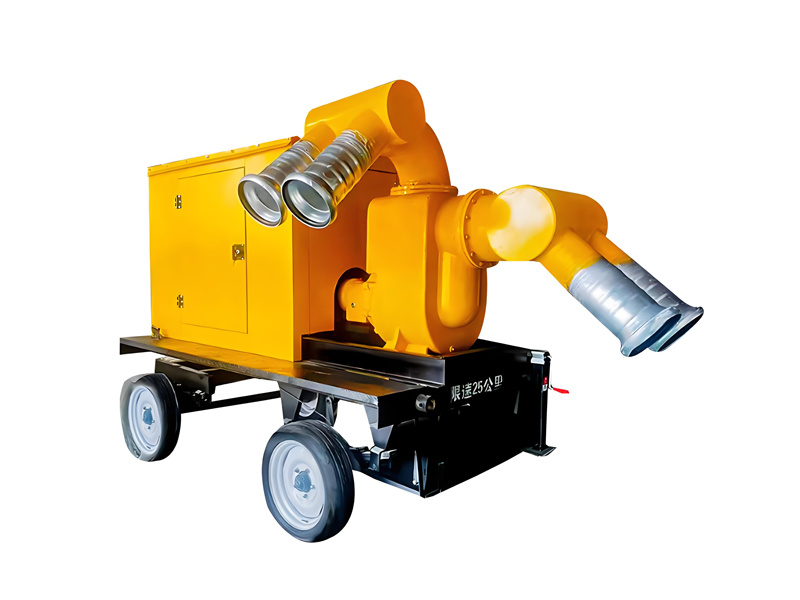
How to Maintain Your Mobile Pump Truck for Longevity
Maintaining your mobile pump truck is essential for ensuring its longevity and optimal performance. These powerful machines are critical in various industries, from construction to waste management. Proper maintenance not only extends the life of your equipment but also enhances its performance and safety. In this guide, we will explore comprehensive strategies for maintaining your mobile pump truck effectively.
Table of Contents
- Understanding Your Mobile Pump Truck
- Importance of Regular Maintenance
- Daily Inspections for Your Mobile Pump Truck
- Weekly Maintenance Checkup
- Monthly Maintenance Tasks
- Yearly Maintenance and Overhauls
- Specialized Maintenance Tips for Different Pump Types
- Common Issues and How to Resolve Them
- Frequently Asked Questions
- Conclusion
Understanding Your Mobile Pump Truck
A mobile pump truck is a versatile piece of equipment used for various applications, including dewatering, wastewater management, and transferring liquids. Understanding the components of your pump truck, such as the pump itself, the engine, and the hydraulic systems, is crucial for effective maintenance. Familiarity with these elements allows for better troubleshooting and ensures that you can identify issues before they escalate.
Key Components of a Mobile Pump Truck
- The Pump: The heart of your mobile pump truck, responsible for transferring fluids. It can be centrifugal, positive displacement, or submersible.
- The Engine: Provides power to the pump. Regularly checking the engine's oil level and performance is essential.
- Hydraulic Systems: Control the movement of the truck and the operation of the pump. Ensure the hydraulic fluid levels are maintained.
- Control Systems: These include gauges and electronic controls that monitor the truck's operations. Any irregularities should be addressed immediately.
Importance of Regular Maintenance
Regular maintenance is vital for any machinery, and mobile pump trucks are no exception. The benefits of consistent upkeep include:
- Increased Efficiency: Well-maintained equipment runs more smoothly and efficiently, reducing fuel consumption and operational costs.
- Safety: Regular checks ensure that safety features are functioning correctly, minimizing the risk of accidents.
- Reduced Downtime: Preventative maintenance helps avoid unexpected breakdowns, ensuring your operations run smoothly.
- Extended Equipment Life: Consistent care prolongs the lifespan of your mobile pump truck, maximizing your investment.
Daily Inspections for Your Mobile Pump Truck
Daily inspections form the foundation of a solid maintenance routine. Taking just a few minutes each day to check essential components can prevent significant issues in the future. Here are some critical areas to inspect:
Visual Inspection
Start with a visual inspection of the pump truck. Look for signs of leaks, corrosion, or physical damage. Ensure that the vehicle is clean and free of debris that might obstruct moving parts.
Fluid Levels
Check all fluid levels, including:
- Engine Oil: Ensure oil is at the correct level and free from contaminants.
- Hydraulic Fluid: Monitor the hydraulic fluid level to ensure proper operation.
- Coolant: Check coolant levels to prevent the engine from overheating.
Functional Check
Perform a functional check of the pump and related systems. Start the engine and listen for unusual noises. Test the pump operation to ensure it is functioning as expected.
Weekly Maintenance Checkup
In addition to daily inspections, a weekly maintenance checkup is recommended to maintain your mobile pump truck effectively. This should include:
Battery Inspection
Inspect the battery for corrosion and ensure it is securely mounted. Check the battery terminals for tight connections and clean any corrosion buildup.
Tire Inspection
Check the tire pressure and tread depth. Ensure that the tires are in good condition for safe transportation and operation.
Brake System Check
Inspect the braking system, looking for wear and ensuring that the brakes engage smoothly. Replace worn brake pads when necessary.
Monthly Maintenance Tasks
Filter Replacements
Replace the air, fuel, and hydraulic filters as recommended by the manufacturer. Clean filters promote better performance and reduce strain on the engine.
Fluid Changes
Change the engine oil and hydraulic fluid monthly, depending on the usage of the pump truck. High-duty cycles may require more frequent changes.
Inspection of Belts and Hoses
Check all belts and hoses for signs of wear, cracks, or leaks. Replace any that show signs of damage to prevent further issues.
Yearly Maintenance and Overhauls
Annual maintenance tasks often require professional assistance or at least a more in-depth look at the equipment. Some key tasks include:
Comprehensive Inspection
Schedule a comprehensive inspection with a qualified technician. They can identify issues that may not be evident during regular checks and may require specialized equipment or knowledge.
Engine Overhaul
If your mobile pump truck has high usage, consider an engine overhaul every few years to avoid catastrophic failures. This can involve replacing worn components and ensuring the engine runs efficiently.
Specialized Maintenance Tips for Different Pump Types
Different pump systems may require specialized maintenance techniques. Here are some tips for common pump types:
Centrifugal Pumps
Ensure the impeller is free from debris and that the seals are intact. Regularly inspect the volute housing for wear and tear.
Positive Displacement Pumps
Check for proper alignment and ensure that the pump is not running dry, as this can cause significant damage.
Submersible Pumps
Inspect the electrical connections carefully, especially if the pump has been submerged in water. Ensure the motor is functioning correctly.
Common Issues and How to Resolve Them
Even with diligent maintenance, issues may arise. Here are some common problems and solutions:
Pump Not Starting
If your pump truck fails to start, check the battery and fuel levels first. If these are adequate, inspect the electrical connections.
Low Pressure
Low pressure can result from a clogged filter or an air leak in the suction line. Check and replace filters as needed and inspect hoses for leaks.
Overheating
Overheating may indicate low coolant levels or a malfunctioning water pump. Regular checks of the cooling system can prevent overheating issues.
Frequently Asked Questions
1. How often should I perform maintenance on my mobile pump truck?
Daily inspections are essential, while weekly and monthly maintenance tasks should be performed according to usage and operational guidelines.
2. What are the signs that my pump truck needs professional service?
Signs include unusual noises, vibrations, leaks, and decreased performance, which often indicate underlying issues.
3. Can I perform maintenance myself, or should I hire a professional?
Basic maintenance tasks can be performed by operators; however, more complicated issues and major overhauls should be handled by professionals.
4. How do I know when to replace parts?
Follow the manufacturer's recommendations, and monitor parts for excessive wear or damage during regular inspections.
5. What should I do if my pump truck won’t start?
Check the battery, fuel levels, and electrical connections. If these are in order, seek professional diagnostics to identify the issue.
Conclusion
Maintaining your mobile pump truck is a crucial investment in its longevity and efficiency. By adhering to daily inspections, regular checkups, and specialized maintenance tips, you can significantly extend the life of your equipment. Remember that proactive maintenance not only minimizes downtime but also enhances safety and operational effectiveness. Investing time and resources into proper maintenance will pay off in the long run, ensuring that your mobile pump truck remains a reliable asset in your operations.
PREVIOUS:
Contact Us
E-mail :
liu@cnpumpmade.com
WhatsApp:
+8615028256698
Address:
Nanyang Industrial Park, Shifo Town, Anguo City, Hebei Province, China


Leave Your Message