To provide high-quality Water pump products for global customers.


Comparing the Efficiency of Gravel Pumps in Different Environments
Mar 13,2026
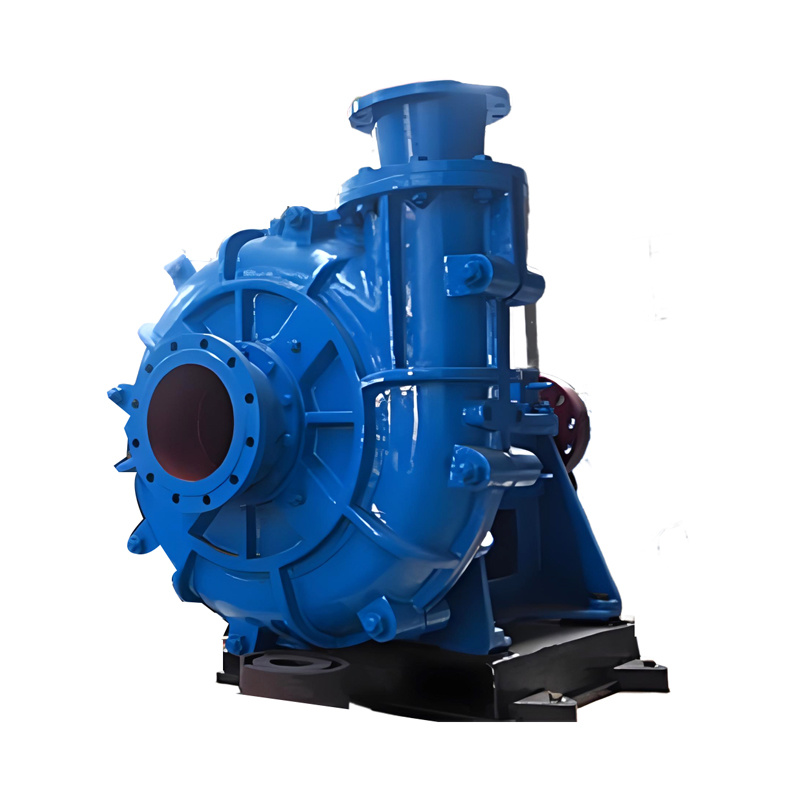
Comparing the Efficiency of Gravel Pumps in Different Environments
Table of Contents
- Introduction to Gravel Pumps
- Understanding Gravel Pump Efficiency
- Factors Influencing the Efficiency of Gravel Pumps
- Gravel Pumps in Varying Environments
- Performance Metrics for Gravel Pumps
- Case Studies: Gravel Pumps in Action
- Environmental Impact of Gravel Pump Operations
- Future Trends in Gravel Pump Technology
- FAQs
- Conclusion
Introduction to Gravel Pumps
Gravel pumps are specialized devices designed for transporting gravel and other aggregates. Their unique construction allows them to handle large particles effectively, making them essential in various industries, including construction, mining, and dredging. Understanding how gravel pumps operate and their efficiency in different environments is crucial for optimizing their performance.
Understanding Gravel Pump Efficiency
The efficiency of a gravel pump is defined by its ability to transfer gravel with minimal energy consumption while maintaining high throughput. This efficiency can be influenced by several factors, including the pump design, the type of material being pumped, and the operational conditions.
Factors such as the hydraulic design of the pump, motor efficiency, and wear and tear on components significantly impact overall performance. A well-designed gravel pump can increase productivity and reduce operational costs, making it a vital asset for businesses reliant on these machines.
Factors Influencing the Efficiency of Gravel Pumps
Several critical factors determine the efficiency of gravel pumps:
1. Pump Design
The design of a gravel pump, including its impeller shape and housing, plays a significant role in its operational efficiency. A pump with an optimized impeller can generate higher flow rates with lower energy input.
2. Material Characteristics
The type of material being transported affects how efficiently a pump operates. Gravel with varying sizes and densities may require different pump configurations to achieve optimal performance.
3. Operational Environment
The environment in which a gravel pump operates, such as temperature, pressure, and the presence of abrasive materials, can influence its efficiency. Understanding these conditions is crucial for selecting the appropriate pump type.
4. Maintenance Practices
Regular maintenance ensures that a gravel pump operates at peak efficiency. Neglecting maintenance can lead to wear and tear that hinders performance, potentially increasing operational costs.
Gravel Pumps in Varying Environments
Different environments pose unique challenges and opportunities for gravel pump efficiency. Understanding these environments helps in selecting the right pump and configuration.
River Systems
In river systems, gravel pumps are often used for dredging purposes. The efficiency of these pumps can be affected by water flow rates, sediment composition, and other environmental factors. **Effective gravel pumps** in these environments often require specialized designs to deal with fluctuating flow conditions and variable sediment loads.
Construction Sites
Gravel pumps are commonly employed at construction sites for transporting aggregate materials. The efficiency in this environment is often influenced by the proximity to gravel sources, the height of the lift required, and the equipment setup. Construction sites with controlled conditions typically see higher pump efficiencies.
Mining Operations
In mining operations, gravel pumps must withstand harsh conditions and abrasive materials. The combination of high flow rates and significant particle sizes can challenge standard pump designs. Pumps specifically designed for mining applications often include reinforced components to handle these stresses while maintaining efficiency.
Performance Metrics for Gravel Pumps
Evaluating the performance of gravel pumps in different environments involves several key metrics:
1. Flow Rate
The flow rate is perhaps the most critical metric for evaluating gravel pump efficiency. It indicates how much material can be moved within a specific timeframe, directly impacting productivity levels.
2. Efficiency Rating
Pump efficiency is typically expressed as a percentage, representing the ratio of hydraulic power output to mechanical power input. A higher efficiency rating indicates a more effective pump.
3. Wear Rate
The wear rate of pump components can also indicate efficiency. Pumps that wear out quickly may require more frequent replacements, increasing operational costs and reducing overall effectiveness.
Case Studies: Gravel Pumps in Action
Examining real-world applications of gravel pumps can provide valuable insights into their performance across different environments.
Case Study 1: Dredging in River Systems
A study focusing on a gravel pump used in a river dredging project revealed that adjusting the pump's impeller diameter resulted in a 20% increase in flow rate. This optimization demonstrated the importance of adapting equipment to specific environmental conditions.
Case Study 2: Construction Site Efficiency
On a large construction site, implementing a gravel pump with enhanced wear-resistant features reduced maintenance downtime by 30%. This case highlighted the importance of using the right pump design to enhance operational efficiency.
Environmental Impact of Gravel Pump Operations
While gravel pumps are essential for many industrial applications, their operation can have environmental consequences. **Sustainable practices** in gravel extraction and pumping can minimize these impacts, focusing on:
- **Erosion Control:** Implementing measures to prevent soil erosion during gravel extraction.
- **Water Quality Management:** Ensuring that pumping operations do not contaminate local water sources.
- **Habitat Preservation:** Using technology to reduce noise and disruption to local wildlife during pump operation.
Future Trends in Gravel Pump Technology
The future of gravel pumps lies in innovation and ecological responsibility. Emerging trends include:
- **Smart Pump Technology:** Integrating IoT sensors to monitor performance metrics in real-time, allowing for predictive maintenance and efficiency improvements.
- **Eco-Friendly Designs:** Developing pumps made from sustainable materials and designed to minimize environmental impact during operation.
- **Automation:** Increasing automation in pump operations to enhance efficiency and reduce labor costs.
FAQs
1. What is the primary function of a gravel pump?
A gravel pump is designed to transport gravel and other aggregates from one location to another, often used in dredging, construction, and mining applications.
2. How can I improve the efficiency of my gravel pump?
Improving efficiency can involve regular maintenance, optimizing pump settings, and selecting the right pump design based on specific operational conditions.
3. What factors should I consider when choosing a gravel pump?
Consider the material characteristics, the operational environment, the required flow rate, and the pump's maintenance needs when selecting a gravel pump.
4. Can gravel pumps be used in mining operations?
Yes, gravel pumps are commonly used in mining operations, particularly for transporting aggregates and managing water influx in mining sites.
5. What are the environmental concerns associated with gravel pump operations?
Common concerns include soil erosion, water contamination, and disruption to local ecosystems. **Implementing sustainable practices** can mitigate these impacts.
Conclusion
Comparing the efficiency of gravel pumps across different environments reveals the complexity and challenges inherent in their operation. By understanding the factors influencing efficiency and adapting to specific environmental conditions, industries can optimize their gravel pump usage. Continuous innovation and a focus on sustainability will drive the future of gravel pumping technology, ensuring that these essential tools can meet the demands of various industries while minimizing their environmental footprint.
Contact Us
E-mail :
liu@cnpumpmade.com
WhatsApp:
+8615028256698
Address:
Nanyang Industrial Park, Shifo Town, Anguo City, Hebei Province, China


Leave Your Message