To provide high-quality Water pump products for global customers.


Understanding Multistage Pumps: Efficiency and Applications in Industrial Settings
Mar 12,2026
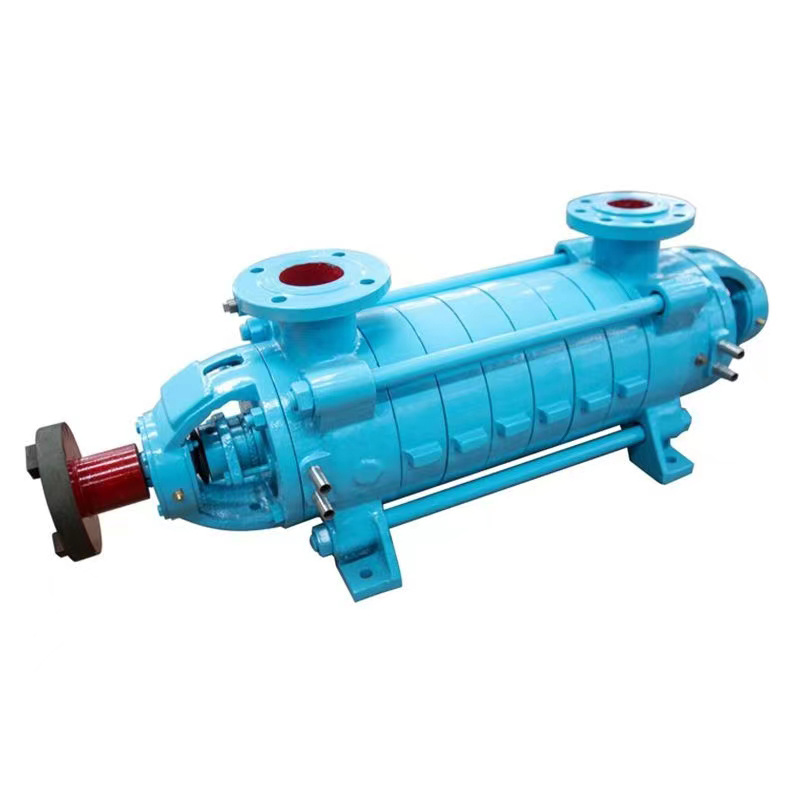
Multistage pumps are an essential component in various industrial operations, designed to handle a wide range of applications effectively. Unlike single-stage pumps, which utilize one impeller to move fluid, multistage pumps consist of multiple impellers arranged in series. This unique design allows them to achieve higher pressures and flow rates, making them ideal for demanding tasks in various industries.
One of the primary advantages of multistage pumps is their ability to generate significant pressure increases compared to standard pumps. By using several impellers, these pumps can elevate the pressure of the fluid more efficiently, which is especially beneficial in applications requiring the transfer of fluids over long distances or to high elevations. For instance, multistage pumps are commonly used in water supply systems, where they help to transport water from reservoirs to consumers across vast networks.
In addition to enhanced pressure capabilities, multistage pumps also exhibit improved energy efficiency. With advancements in technology, modern multistage pumps can operate at lower energy consumption rates while still delivering high performance. This efficiency not only reduces operational costs but also contributes to a lower carbon footprint, aligning with the growing emphasis on sustainability within industrial practices.
The versatility of multistage pumps is another aspect that makes them indispensable in industrial settings. They can handle a variety of fluids, including clean water, corrosive substances, and even slurries, depending on the materials used in their construction. This adaptability ensures that they can meet the specific requirements of different industries, such as chemical processing, oil and gas, and municipal water services.
When selecting a multistage pump for a specific application, several factors should be considered, including the desired flow rate, the required pressure, and the type of fluid being pumped. Additionally, understanding the pump’s operating conditions, such as temperature and viscosity, is crucial for optimal performance and longevity. Proper maintenance practices, including regular inspections and prompt repairs, also play a significant role in ensuring the reliable operation of multistage pumps over time.
In conclusion, multistage pumps represent a critical technology in the industrial sector, known for their efficient pressure generation and versatility across various applications. By investing in high-quality multistage pumps and understanding their operational requirements, professionals can enhance productivity and contribute to the overall sustainability of their industrial processes.
Contact Us
E-mail :
liu@cnpumpmade.com
WhatsApp:
+8615028256698
Address:
Nanyang Industrial Park, Shifo Town, Anguo City, Hebei Province, China


Leave Your Message