To provide high-quality Water pump products for global customers.


Exploring Innovative Applications for Submersible Slurry Pumps in Various Industries
Mar 11,2026
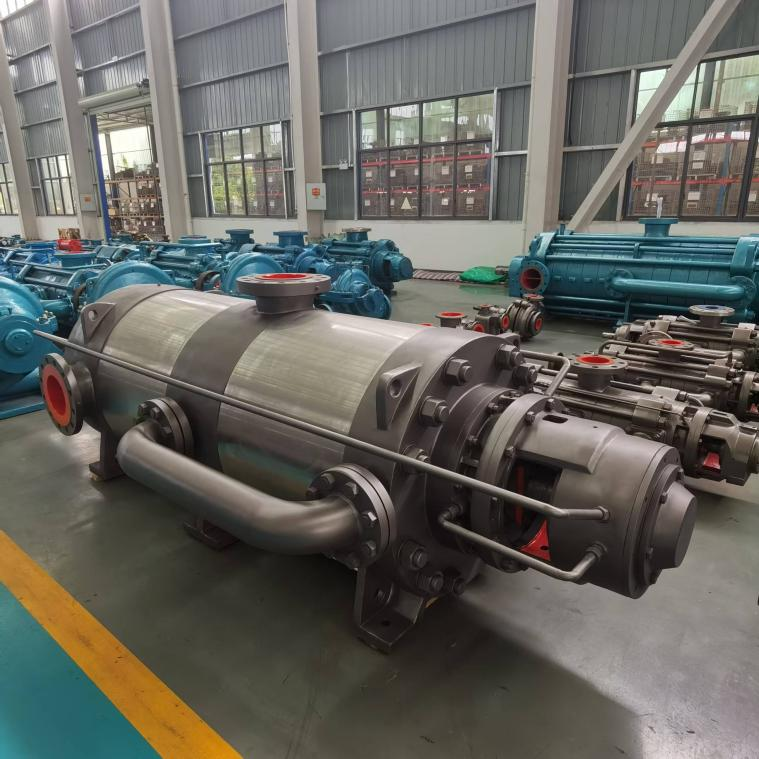
Exploring Innovative Applications for Submersible Slurry Pumps
Table of Contents
1. Understanding Submersible Slurry Pumps
2. Key Features of Submersible Slurry Pumps
3. Major Industries Utilizing Submersible Slurry Pumps
3.1 Mining Industry
3.2 Construction Industry
3.3 Waste Management and Environmental Sector
4. Innovative Applications of Submersible Slurry Pumps
4.1 Dewatering Operations
4.2 Sludge Transfer
4.3 Tailings Management
4.4 Agricultural Applications
5. Technological Advancements in Submersible Slurry Pumps
6. Best Practices for Selecting and Maintaining Submersible Slurry Pumps
7. FAQs about Submersible Slurry Pumps
8. Conclusion
1. Understanding Submersible Slurry Pumps
Submersible slurry pumps are designed to operate while submerged in the fluid they are pumping. They are engineered to move highly viscous fluids that contain solids, such as sediment, gravel, and slurries generated in various industrial processes. The unique design and robust construction of these pumps enable them to handle abrasive materials without significant wear and tear, making them essential for many challenging applications.
2. Key Features of Submersible Slurry Pumps
Submersible slurry pumps come equipped with several key features that enhance their performance and durability:
- **High Efficiency**: These pumps are designed to minimize energy consumption while maximizing flow rates, making them a cost-effective solution for moving slurry.
- **Rugged Construction**: Built from high-quality materials, submersible slurry pumps resist corrosion and wear from abrasive materials.
- **Compact Design**: The compact nature of these pumps allows for easy installation in tight spaces.
- **Versatile Applications**: From mining to construction, these pumps are adaptable for a variety of industrial needs.
3. Major Industries Utilizing Submersible Slurry Pumps
Submersible slurry pumps play a vital role in several industries, each with unique demands for handling slurry materials.
3.1 Mining Industry
In the mining sector, submersible slurry pumps are crucial for transporting slurries generated during ore extraction and processing. They efficiently manage the removal of water and slurry from mining pits, ensuring that operations can proceed without delays.
3.2 Construction Industry
The construction industry frequently encounters waterlogged sites. Submersible slurry pumps are employed to dewater these sites, allowing for safe excavation and foundation work. Their ability to handle mixtures of water, soil, and debris makes them indispensable during construction projects.
3.3 Waste Management and Environmental Sector
In waste management, submersible slurry pumps are used to transfer sludge from treatment plants to disposal sites. Their reliability and efficiency ensure that waste is handled in adherence to environmental regulations, minimizing the risk of contamination.
4. Innovative Applications of Submersible Slurry Pumps
The versatility of submersible slurry pumps has led to innovative applications across various sectors.
4.1 Dewatering Operations
One of the most common uses of submersible slurry pumps is in dewatering operations. They effectively remove excess water from construction sites, mining operations, and flooded areas, facilitating more efficient work conditions. By utilizing these pumps, companies can reduce downtime and improve project timelines.
4.2 Sludge Transfer
Submersible slurry pumps are widely used for transferring sludge in wastewater treatment facilities. Their design allows them to handle thick, viscous materials, ensuring that sludge can be moved efficiently from one treatment stage to another.
4.3 Tailings Management
In the mining industry, tailings—waste materials left after the extraction of valuable minerals—must be managed effectively. Submersible slurry pumps are utilized to transport tailings to designated storage areas, helping to minimize environmental impact and streamline operations.
4.4 Agricultural Applications
In agriculture, submersible slurry pumps are employed for irrigation and drainage systems. Their ability to handle sediment-laden water makes them suitable for transporting collected water from ponds or drainage ditches directly to fields, promoting efficient water use in farming practices.
5. Technological Advancements in Submersible Slurry Pumps
Technological advancements have significantly improved the efficiency and reliability of submersible slurry pumps. Innovations include:
- **Smart Monitoring Systems**: These systems use sensors to monitor pump performance in real time, allowing for predictive maintenance and reducing the likelihood of unexpected failures.
- **Variable Frequency Drives (VFDs)**: VFDs enable pumps to operate at various speeds, optimizing energy use and adapting to changing flow conditions.
- **Improved Materials**: The introduction of advanced materials such as high-chrome alloys enhances pump durability, extending service life and reducing maintenance costs.
6. Best Practices for Selecting and Maintaining Submersible Slurry Pumps
Choosing the right submersible slurry pump requires careful consideration of several factors:
- **Assessing Application Needs**: Evaluate the specific requirements of your application, including flow rate, head pressure, and the nature of the slurry.
- **Material Selection**: Choose pumps constructed from materials that can withstand the abrasive nature of the slurry being handled.
- **Regular Maintenance**: Implement a routine maintenance schedule to ensure optimal performance and longevity. This includes inspecting seals, bearings, and impellers for wear.
7. FAQs about Submersible Slurry Pumps
**Q1: What types of slurries can submersible slurry pumps handle?**
A: Submersible slurry pumps can handle a variety of slurries, including those containing solids like sand, gravel, and sediment, as well as viscous materials like sludge.
**Q2: How do I determine the right size pump for my application?**
A: Consider factors such as the flow rate, total dynamic head, and the characteristics of the slurry. Consulting with a pump specialist can provide tailored recommendations.
**Q3: Can submersible slurry pumps operate continuously?**
A: Yes, many submersible slurry pumps are designed for continuous operation; however, it's essential to follow manufacturer guidelines regarding duty cycles.
**Q4: What maintenance is required for submersible slurry pumps?**
A: Regular maintenance includes checking for wear on seals and impellers, ensuring electrical connections are secure, and monitoring performance metrics.
**Q5: Are submersible slurry pumps eco-friendly?**
A: While the pumps themselves are not inherently eco-friendly, their use in efficiently managing wastewater and preventing environmental contamination contributes positively to sustainability efforts.
8. Conclusion
Submersible slurry pumps are invaluable tools across various industries, offering innovative solutions for handling complex slurry management challenges. Their robust design, coupled with advancements in technology, ensures that they remain at the forefront of industrial applications. By understanding their capabilities and implementing best practices for selection and maintenance, organizations can optimize their operations and drive efficiency. As we continue to explore new applications and technologies, submersible slurry pumps will undoubtedly play a crucial role in shaping the future of industrial processes.
Contact Us
E-mail :
liu@cnpumpmade.com
WhatsApp:
+8615028256698
Address:
Nanyang Industrial Park, Shifo Town, Anguo City, Hebei Province, China


Leave Your Message