To provide high-quality Water pump products for global customers.


A Comprehensive Guide to Operating Mobile Pump Trucks: Maximizing Efficiency and Safety
Feb 01,2026
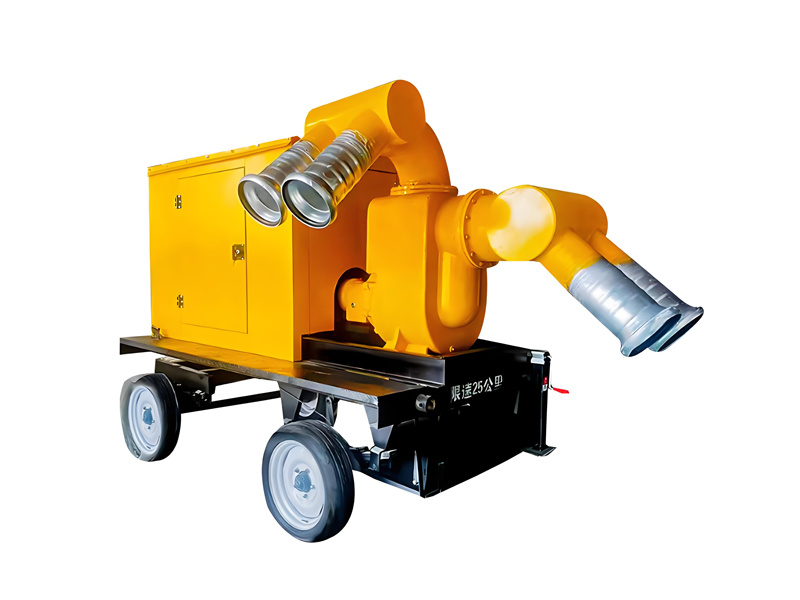
A Comprehensive Guide to Operating Mobile Pump Trucks
Table of Contents
- 1. Introduction to Mobile Pump Trucks
- 2. Types of Mobile Pump Trucks
- 3. Common Applications for Mobile Pump Trucks
- 4. Best Operating Procedures for Mobile Pump Trucks
- 5. Safety Guidelines and Regulations
- 6. Maintenance Tips for Optimal Performance
- 7. Common Issues and Troubleshooting Techniques
- 8. Future Trends in Mobile Pump Truck Technology
- 9. Frequently Asked Questions
- 10. Conclusion
1. Introduction to Mobile Pump Trucks
Mobile pump trucks are vital assets in various industries, providing flexible solutions for fluid transfer. Understanding the operation of these trucks is crucial for professionals in construction, municipal services, and more. This guide will delve into the intricacies of mobile pump truck operation, ensuring you are equipped with the necessary skills and knowledge.
2. Types of Mobile Pump Trucks
Mobile pump trucks come in various types, each designed to cater to specific needs. Understanding these types is essential for choosing the right equipment for your project.
2.1 Vacuum Pump Trucks
Vacuum pump trucks are designed to extract liquids, sludge, and solids from tanks and pits. They utilize a vacuum to create suction, making them ideal for waste management applications.
2.2 Water Pump Trucks
These trucks are equipped with powerful water pumps for high-volume fluid transfer. They are commonly used in firefighting, irrigation, and construction sites.
2.3 Chemical Pump Trucks
Chemical pump trucks are specially designed to handle hazardous materials. They are equipped with corrosion-resistant components and safety features to prevent leaks and spills.
2.4 Combination Trucks
Combination trucks can perform multiple functions, such as vacuuming and jetting. Their versatility makes them a popular choice for municipalities and industrial applications.
3. Common Applications for Mobile Pump Trucks
Mobile pump trucks have a wide range of applications across different sectors. Here are some notable uses:
3.1 Construction Sites
In construction, mobile pump trucks are essential for dewatering and transporting materials. They ensure that sites remain safe and operational by managing excess water effectively.
3.2 Municipal Services
Municipalities use these trucks for sewage and waste management. They are crucial in maintaining sanitation and preventing environmental hazards.
3.4 Agricultural Use
Farmers utilize mobile pump trucks for irrigation purposes, ensuring crops receive adequate water supplies even in remote locations.
4. Best Operating Procedures for Mobile Pump Trucks
Effective operation of mobile pump trucks requires adherence to established procedures. Here are some best practices:
4.1 Pre-Operation Checklist
Before starting any operation, conduct a thorough pre-operation checklist. This should include checking fluid levels, inspecting hoses and fittings, and ensuring safety equipment is in place.
4.2 Loading and Unloading Techniques
Ensure proper techniques for loading and unloading materials to prevent spills and accidents. Utilize ramps and secure loads to maintain stability during transport.
4.3 Operating Controls
Familiarize yourself with the truck's control systems and ensure you can operate them effectively. Understanding the dashboard indicators and emergency shut-off systems is crucial.
4.4 Communication Protocols
Establish clear communication protocols with your team. Use hand signals or radios to ensure everyone is aware of movements and operations, especially in busy environments.
5. Safety Guidelines and Regulations
Safety is paramount when operating mobile pump trucks. Following guidelines and regulations helps minimize risks.
5.1 Personal Protective Equipment (PPE)
Always wear appropriate PPE, including gloves, goggles, and hard hats. Ensure all personnel involved in operations are also properly equipped.
5.2 Hazard Awareness
Be aware of potential hazards in your work environment, such as uneven terrain and overhead lines. Conduct site assessments before operations begin.
5.3 Emergency Procedures
Establish clear emergency procedures in case of accidents or equipment failure. Ensure all team members understand their roles in such situations.
6. Maintenance Tips for Optimal Performance
Regular maintenance prolongs the life of mobile pump trucks and ensures they operate efficiently. Here are some maintenance tips:
6.1 Routine Checks
Implement a routine maintenance schedule that includes checking oil levels, inspecting filters, and examining hoses for wear.
6.2 Cleaning Procedures
Keep the truck clean to prevent buildup of materials that can affect performance. Regularly wash the exterior and clean the pump components.
6.3 Professional Servicing
Schedule professional servicing at regular intervals to identify and rectify any issues before they escalate.
7. Common Issues and Troubleshooting Techniques
Understanding common issues and troubleshooting techniques enhances operational efficiency.
7.1 Low Suction Performance
If experiencing low suction performance, check for air leaks in hoses and ensure the pump is primed correctly.
7.2 Overheating Engines
Overheating can indicate low coolant levels or a malfunctioning thermostat. Regularly monitor engine temperature and address any issues promptly.
7.3 Blockages
Blockages can impede fluid flow. Regularly inspect and clean hoses and filters to prevent clogs.
8. Future Trends in Mobile Pump Truck Technology
As technology evolves, mobile pump trucks are also advancing. Here are some trends to watch:
8.1 Automation
Increasingly, automation is being integrated into mobile pump truck operations, improving efficiency and reducing human error.
8.2 Eco-Friendly Alternatives
The industry is shifting towards eco-friendly options, such as electric pump trucks, to minimize environmental impact.
8.3 Advanced Monitoring Systems
New monitoring technologies are being developed to provide real-time data on truck performance, enhancing operational oversight.
9. Frequently Asked Questions
9.1 What is a mobile pump truck used for?
Mobile pump trucks are used for a variety of applications, including dewatering construction sites, managing sewage, and transporting liquids in municipal services.
9.2 How do I operate a mobile pump truck safely?
To operate a mobile pump truck safely, always wear PPE, conduct pre-operation checks, and adhere to established safety protocols.
9.3 What maintenance does a mobile pump truck require?
Mobile pump trucks require regular inspections, routine cleaning, and professional servicing to ensure optimal performance.
9.4 Can I use a mobile pump truck for hazardous materials?
Yes, but it is crucial to use specifically designed trucks for hazardous materials, equipped with appropriate safety features.
9.5 What are the benefits of automated mobile pump trucks?
Automated mobile pump trucks enhance efficiency, reduce the risk of human error, and often come equipped with advanced monitoring systems for performance tracking.
10. Conclusion
In conclusion, operating mobile pump trucks effectively requires a blend of knowledge, skill, and adherence to safety and maintenance protocols. By understanding the types of trucks available, their applications, and best practices for operation and maintenance, operators can ensure maximum efficiency and safety in their work. As technology continues to advance, staying informed about new trends will further enhance the capabilities of mobile pump trucks, paving the way for innovative applications in the industry.
Contact Us
E-mail :
liu@cnpumpmade.com
WhatsApp:
+8615028256698
Address:
Nanyang Industrial Park, Shifo Town, Anguo City, Hebei Province, China


Leave Your Message