To provide high-quality Water pump products for global customers.


Why Invest in Multistage Pumps for Your Industrial System? Discover the Benefits and Applications
Nov 08,2025
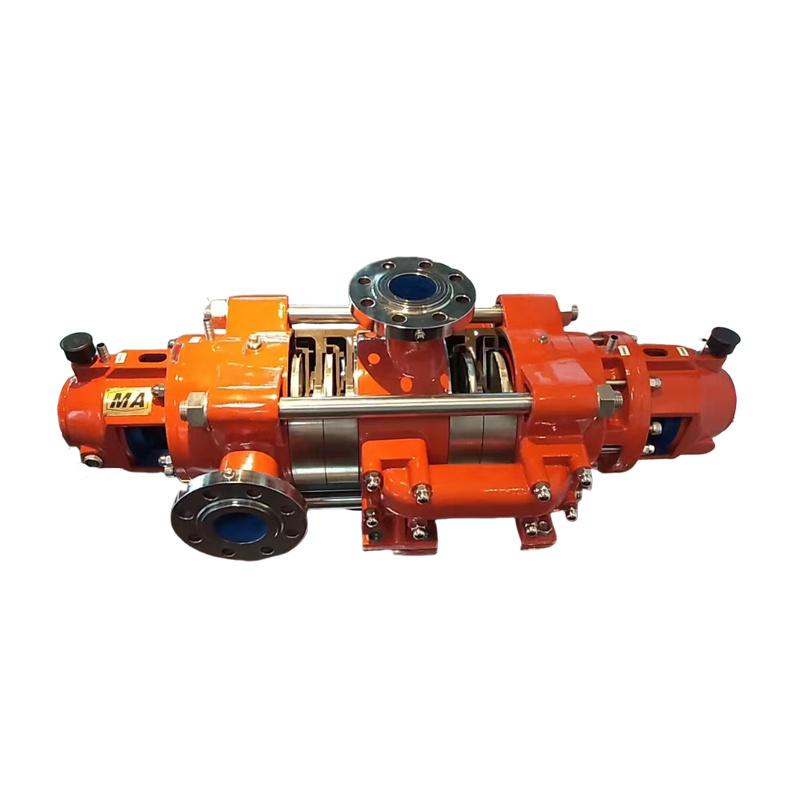
Why Invest in Multistage Pumps for Your Industrial System?
In the world of industrial equipment, the choice of pumping solutions plays a vital role in operational efficiency, cost management, and system reliability. One of the standout options available today is the multistage pump, renowned for its versatility and performance. Understanding the reasons to invest in multistage pumps can lead to significant improvements in your industrial applications.
Table of Contents
- What are Multistage Pumps?
- How Multistage Pumps Work
- Benefits of Multistage Pumps for Industrial Applications
- Common Applications of Multistage Pumps
- Choosing the Right Multistage Pump for Your Needs
- Maintenance and Care for Multistage Pumps
- Case Studies and Success Stories
- Conclusion
- Frequently Asked Questions
What are Multistage Pumps?
Multistage pumps are centrifugal pumps that feature multiple impellers (or stages) within a single housing. Each impeller adds energy to the fluid, allowing these pumps to achieve very high pressures. Typically, they are employed in systems where high pressure is necessary, which makes them ideal for various industrial applications, including water supply, chemical processing, and power generation.
Components of a Multistage Pump
Understanding the components of a multistage pump is essential for recognizing its operational benefits:
- Impellers: The heart of the pump, each impeller transports fluid and adds pressure.
- Diffusers: Positioned after each impeller, diffusers convert the kinetic energy from the impeller into pressure.
- Volute: This is the outer casing that collects the fluid exiting the diffusers and directs it to the discharge outlet.
- Suction and Discharge Ports: These ports allow the fluid to enter and exit the pump effectively.
How Multistage Pumps Work
Multistage pumps operate on the principle of centrifugal force, where fluid is drawn into the pump through the suction port and pushed through each impeller. As the fluid moves through successive stages, it gains kinetic energy, converting to pressure energy with the help of diffusers. This process continues until the desired pressure is achieved at the discharge port. The ability to stack multiple impellers is what enables these pumps to reach high pressures that single-stage pumps cannot achieve.
Key Operational Features
- Efficiency: Multistage pumps are more efficient than single-stage pumps when high pressures are required. They can operate effectively at optimal flow rates.
- Variable Flow Rates: They allow for adjustable flow rates, enabling flexibility in various applications.
Benefits of Multistage Pumps for Industrial Applications
Investing in multistage pumps offers numerous advantages that can enhance overall productivity and efficiency within your industrial systems.
1. High Efficiency and Performance
Multistage pumps are designed to maintain high efficiency across a variety of flow rates and pressures. Their ability to handle large volumes of fluid while minimizing energy consumption results in lower operational costs. This efficiency is particularly beneficial in industries that require continuous operation.
2. Energy Savings
Energy consumption is a significant expense in industrial operations. Multistage pumps, with their optimized design, can provide substantial savings on energy bills. By reducing the amount of energy required to pump fluids, these systems contribute positively to a company's bottom line and environmental footprint.
3. Versatility in Applications
These pumps are widely used across various sectors, including:
- Water Treatment: For moving water and wastewater efficiently.
- Oil and Gas: For transporting crude oil and other fluids under high pressure.
- Chemical Processing: Handling various chemicals and corrosive substances.
4. Compact Design
Multistage pumps have a smaller footprint than their single-stage counterparts, allowing for easier installation in limited spaces. Their compactness contributes to the optimization of available floor space in industrial facilities.
5. Reduced Maintenance Costs
With fewer moving parts and a robust design, multistage pumps often require less maintenance. This reduction in maintenance needs not only saves time but also minimizes unexpected downtime, ensuring continuous operation of your systems.
Common Applications of Multistage Pumps
The versatility of multistage pumps allows them to be utilized in various applications. Here are some of the most common uses:
1. High Pressure Water Supply
These pumps are ideal for high-pressure water supply systems, ensuring consistent water delivery in municipal and industrial operations.
2. Boiler Feed Pumps
Multistage pumps are extensively used in boiler systems, where they maintain the necessary pressure for optimal steam generation.
3. Desalination Plants
In desalination processes, multistage pumps facilitate the transfer of seawater through reverse osmosis systems, making them essential for freshwater production.
4. Irrigation Systems
Farmers leverage multistage pumps for irrigation purposes, ensuring efficient distribution of water across large agricultural areas.
Choosing the Right Multistage Pump for Your Needs
Selecting the appropriate multistage pump for your industrial system requires careful consideration of several factors:
1. Flow Rate and Pressure Requirements
Understand the specific flow rate and pressure requirements of your application. This assessment will guide you in selecting a pump that can deliver the necessary performance.
2. Fluid Characteristics
Consider the type of fluid being pumped, including its viscosity, temperature, and corrosiveness. These characteristics can influence pump material selection and design.
3. Energy Efficiency
Look for pumps that offer energy-efficient designs to maximize savings over time and reduce environmental impact.
4. Manufacturer Reputation
Choose a pump from a reputable manufacturer known for quality and reliability. Reading customer reviews and case studies can provide valuable insights.
Maintenance and Care for Multistage Pumps
1. Regular Inspections
Conduct routine inspections to identify wear and tear on components. Look for signs of leaks, unusual vibrations, or noises.
2. Lubrication
Maintain proper lubrication of bearings and other moving parts to reduce friction and wear.
3. Cleanliness
Keep the area around the pump clean to prevent contaminants from entering the system, which could lead to premature failure.
4. Monitor Performance
Regularly monitor flow rates, pressures, and energy consumption to detect any deviations from normal operation.
Case Studies and Success Stories
Investing in multistage pumps has proven beneficial for numerous companies across various industries. Here are a few success stories that highlight their effectiveness:
1. Chemical Processing Facility
A leading chemical processing facility upgraded to multistage pumps, resulting in a 25% increase in efficiency and significant energy savings. The pumps handled corrosive fluids effectively, reducing maintenance costs and downtime.
2. Agricultural Irrigation System
In a large agricultural operation, multistage pumps improved water distribution, allowing farmers to irrigate larger areas efficiently. This enhancement led to increased crop yields and reduced operational costs.
Conclusion
Investing in multistage pumps for your industrial system offers numerous benefits, including improved efficiency, energy savings, and versatility in applications. By understanding the mechanics, applications, and maintenance of these pumps, you can make informed decisions that enhance your operational performance. Whether you are involved in water treatment, chemical processing, or agricultural irrigation, selecting the right multistage pump will yield significant returns on investment and contribute to your overall success.
Frequently Asked Questions
1. What is the main advantage of multistage pumps over single-stage pumps?
The primary advantage of multistage pumps is their ability to generate high pressures with greater efficiency, making them suitable for applications that require significant pressure increases.
2. How do I determine the right size of a multistage pump for my application?
To determine the right size, assess your flow rate and pressure requirements, fluid characteristics, and the specific needs of your application. Consulting with a pump specialist can provide additional clarity.
3. What types of fluids can multistage pumps handle?
Multistage pumps can handle a wide range of fluids, including water, oils, chemicals, and slurries. The material of the pump must be compatible with the fluid being pumped.
4. How often should I perform maintenance on my multistage pump?
Regular maintenance should be conducted based on the pump's operating environment and usage frequency. Typically, a quarterly inspection and maintenance schedule is recommended.
5. Can multistage pumps be used in high-temperature applications?
Yes, multistage pumps can be designed to operate in high-temperature applications, but it's essential to select materials that can withstand such conditions. Consult with the manufacturer for specific recommendations.
Contact Us
E-mail :
liu@cnpumpmade.com
WhatsApp:
+8615028256698
Address:
Nanyang Industrial Park, Shifo Town, Anguo City, Hebei Province, China


Leave Your Message